Best Treatments For Lip Lines And Wrinkles
Lip lines and wrinkles sometimes called smoker’s lines, barcode lines, or even lipstick lines are the fine vertical creases that appear above and around the lips as we age. They’re completely normal, common, and affect people of all ages, not just smokers. They form for lots of reasons: repeated muscle movement from talking and smiling, sun exposure, collagen and elastin breakdown, dryness, and even genetic factors.
The good news? There are many treatments available today from simple creams to advanced in‑office procedures that can soften, smooth, and reduce the appearance of lip lines and wrinkles. The trick is understanding which treatments work best for your skin, your goals, and your lifestyle.
In this guide we’ll go deep into:
-
What causes lip lines and wrinkles
-
Lifestyle changes that help prevent them
-
Topical treatments that make a difference
-
Non‑invasive procedures
-
Minimally invasive treatments
-
What to expect from injections and lasers
-
Comparisons and when to choose what
-
Risks, recovery, and long‑term maintenance
-
How to choose a provider
-
Realistic expectations and safety tips
Whether you’re just now noticing lip lines or have been thinking about treating them for a while, this guide will walk you through your options in an easy‑to‑understand way.
What Causes Lip Lines and Wrinkles?
Lip lines are formed by a mix of natural aging and lifestyle factors.
Muscle Movement
You use the muscles around your mouth for eating, speaking, laughing, and facial expressions. Over time, repeated motion can create grooves and vertical lines.
Collagen and Elastin Loss
As we age, our skin produces less collagen and elastin — the proteins that keep skin firm and springy. Without them, skin becomes thinner and less resilient, so lines appear more pronounced.
Sun Exposure
UV rays break down collagen and elastin. Over years of sun exposure, the skin loses its bounce and structure, and lip lines deepen.
Dryness and Dehydration
Dry skin creases more easily. Chronic dryness — from cold weather, low humidity, or harsh skincare products — worsens the look of lines.
Genetics
Some people simply develop lip lines earlier or more prominently based on their genetic skin type and texture.
Smoking
Smoking accelerates aging and collagen breakdown, and the repeated pursing motion of smoking contributes to vertical lip lines. But lip lines aren’t only for smokers — they can occur in nonsmokers too.
Lifestyle Foundations for Preventing and Reducing Lines
Before we dive into treatments, you can make a big difference with a few habits that protect and support your skin:
Sunscreen Every Day
UV exposure accelerates aging and deepens wrinkles. Wearing a broad‑spectrum SPF 30 or higher on your face — including around the mouth — is one of the most effective preventive measures.
Hydration
Drink plenty of water and use a good moisturizer. Hydrated skin is more plump and less prone to creasing.
Stop Smoking (If You Smoke)
Quitting smoking slows further collagen loss and reduces repeated motion around the mouth.
Gentle Lip Care
Avoid picking at dry, peeling skin. Use gentle lip scrubs and hydrating balms with ingredients like shea butter, vitamin E, or ceramides.
Balanced Diet
Nutrients like omega‑3 fatty acids, antioxidants (vitamins C and E), and protein support skin health from the inside out.
Sleep Position
Sleeping on your side or face‑down can compress the skin. Sleeping on your back reduces pressure and minimizes formation of sleep lines.
Topical Treatments That Help
Topical products won’t erase deep lines, but they can soften and prevent them, especially when used consistently.
Retinoids (Retinol, Retinoic Acid)
Retinoids are vitamin A derivatives that stimulate collagen production and improve skin cell turnover. Over time, they can make fine lines less noticeable.
How to use: Start slow (every other night) because retinoids can cause dryness or irritation. Follow with a moisturizer.
Peptides
Peptides are short chains of amino acids that signal your skin to make more collagen and elastin. They help with firmness and texture around the mouth.
Hyaluronic Acid
This hydrator pulls moisture into the skin and plumps fine lines. Not a wrinkle “fixer” on its own, but it adds softness and elasticity when layered with other treatments.
Antioxidants
Vitamin C, green tea extract, and niacinamide help protect from environmental damage and aid in even skin tone.
Growth Factors and Stem Cell Serums
These advanced serums support skin repair and regeneration. Results vary by formula and consistency of use.
Non‑Invasive Treatments
Non‑invasive options can make a visible difference with minimal downtime. These are great first steps before considering injectables or more aggressive treatments.
1. Microneedling
Microneedling uses tiny needles to create micro‑injuries in the skin. Your skin responds by producing more collagen and elastin. Over time, this can reduce fine lines and improve texture.
What to expect: Mild redness and sensitivity for 24–48 hours. Multiple sessions spaced weeks apart are often recommended.
2. Chemical Peels
Chemical peels use acids (like glycolic, lactic, or TCA) to remove the outer layer of skin. This promotes cell renewal and smoother surface texture.
Light and medium peels can soften shallow lines around the lips. Stronger peels should only be done by a professional.
3. Laser Treatments
Fractional lasers create controlled injury to stimulate collagen remodeling. They can be effective for moderate lines, improved tone, and texture.
Common options: ablative (more aggressive) or non‑ablative (gentler). Expect redness and peeling with ablative lasers, and longer healing time.
Minimally Invasive Procedures
These deliver stronger results than topical or non‑invasive options, but still avoid surgery.
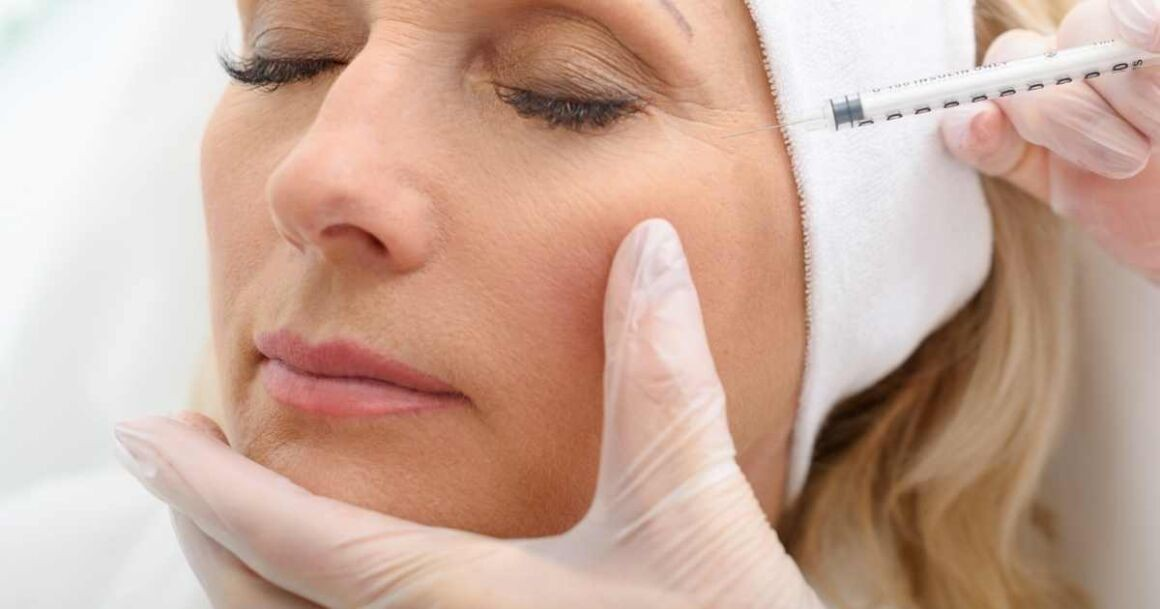
Injectable Neuromodulators (Botox, Dysport, Xeomin)
These relax the muscles that contribute to repetitive movements around the mouth.
Best for:
-
Dynamic lines — those caused by muscle movement (smiling, talking)
-
Prevention of deeper creases over time
How it works: A small amount is injected into specific muscles to reduce contraction. This softens lip lines and prevents them from deepening.
How long it lasts: Usually 3–4 months.
Dermal Fillers
Fillers can provide structure and lift, effectively reducing the appearance of lip lines.
Popular filler types:
-
Hyaluronic acid (HA) fillers — Juvederm, Restylane, Belotero
How it works: HA fillers add volume under the skin, smoothing out creases and supporting the surrounding tissue. They can also plump lips gently if desired.
How long it lasts: Usually 6–18 months depending on the product and area.
Fillers offer natural results when placed by an experienced injector.
Advanced In‑Office Procedures
These are more intensive and typically require a consultation to tailor the best plan:
Radiofrequency (RF) Skin Tightening
RF energy heats deeper layers of skin to stimulate collagen. It’s good for firming skin and can help soften lines.
Ultrasound‑Based Treatments
Ultrasound (such as Ultherapy) targets deeper structural layers and encourages long‑term collagen regeneration.
Combination Approaches
Often, combining treatments gives the best outcome. For example:
-
Microneedling + peel
-
Laser + fillers
-
Neuromodulators + fillers
Your provider can craft a custom plan based on your facial structure, severity of lines, and desired outcome.
Who Is a Good Candidate?
People with:
-
Fine to moderate lip lines
-
Early signs of aging around the mouth
-
Dryness or crepey skin
-
Loss of volume or definition
Anyone with deep scarring, severe laxity, or medical skin conditions should consult a qualified dermatologic professional for personalized guidance.
What to Expect with Any Treatment
Before treatment:
-
Discuss goals, health history, skin sensitivities, and medications
-
Understand risks, benefits, alternatives, and costs
During treatment:
-
Most procedures are quick (minutes to an hour)
-
Minimal discomfort; topical numbing may be used
After treatment:
-
Mild swelling, redness, or tenderness
-
Avoid sun exposure
-
Follow your provider’s aftercare instructions
Realistic results take time — many collagen‑stimulating treatments continue improving for months.
Risks and Common Side Effects
Every procedure has risks; the key is to be informed.
Possible side effects:
-
Mild swelling or bruising
-
Redness
-
Temporary tenderness
-
Rarely, infection or allergic reaction
Injectables may carry specific risks like lumps, under‑ or over‑correction, or vascular occlusion (rare but serious). That’s why choosing a skilled, experienced provider is crucial.
Choosing the Right Provider
Here’s how to find someone you can trust:
Credentials matter
-
Board‑certified dermatologist or plastic surgeon
-
Experienced aesthetic injector
Look for:
-
Before/after photos
-
Transparent pricing
-
Clear explanation of risks and expectations
-
Open communication — someone who listens to your goals
Avoid clinics that use pressure tactics or offer unusually low prices — quality and safety should come first.
Maintenance and Long‑Term Care
Treatments aren’t one‑and‑done; aging continues over time. A maintenance plan helps prolong results.
At‑Home Skincare
-
Daily broad‑spectrum SPF 30+ sunscreen
-
Gentle cleanser and moisturizer
-
Retinoids (when appropriate) to support collagen
-
Antioxidants like vitamin C
Professional Follow‑Ups
-
Repeat neuromodulators every 3–4 months
-
Refresh fillers every 6–18 months
-
Periodic laser or RF sessions
Everyone’s timeline varies — check in with your provider every year to adjust your plan.
Making Treatment Decisions
How to decide what’s right for you:
Start with a consultation
Talk through your concerns and expectations. A good clinician will help you understand which treatments are most realistic.
Consider your lifestyle
Downtime, budget, and tolerance for needles or lasers should factor in.
Think in layers
Often the best outcome comes from combining gentle structural support + skin texture improvements + daily skincare.
Real Expectations
Here’s the goal with any treatment: natural, refreshed, and expressive — not frozen or overly done.
Lines won’t disappear overnight, especially deep ones, but you can achieve:
-
Softer vertical lines
-
Improved smoothness and hydration
-
More balanced, youthful contours
-
Preventing deeper creases in the future
Many people report that once lip lines are softened, they feel more confident even without heavy makeup.
Summary: Best Treatment Options for Lip Lines and Wrinkles
Here’s a quick map of your options:
At‑Home and Preventive
-
Sunscreen
-
Retinoids
-
Peptides
-
Hyaluronic acid
At‑Home Specialists
-
Peels
-
Microneedling tools
-
Antioxidant serums
Professional, Non‑Invasive
-
Microneedling
-
Chemical peels
-
Laser resurfacing
Minimally Invasive
-
Neuromodulators
-
Fillers
Advanced Structural
-
RF skin tightening
-
Ultrasound lifting
-
Combination therapy
Lip lines and wrinkles are a common part of aging, but they don’t have to define your appearance or confidence. Whether you start with prevention, gentle topical care, or move into professional treatments, there’s a thoughtful and effective path for every stage and every goal.
The key is to:
-
Understand why lines form
-
Protect your skin daily
-
Choose treatments that match your needs and lifestyle
-
Work with a trusted, experienced provider
-
Expect gradual, natural improvements rather than overnight perfection
Aging can be graceful, deliberate, and beautiful — with the right approach, you can look refreshed, balanced, and confident at every age.
Advanced Strategies for Treating Lip Lines and Wrinkles
Now that we’ve covered the basics — topicals, non-invasive procedures, injectables, and lasers — let’s explore more advanced strategies that maximize results for women over 40. These approaches often involve layering treatments, timing sessions strategically, and integrating lifestyle habits.
1. Combining Fillers and Neuromodulators
For dynamic lip lines — the ones caused by repetitive muscle movement — the most effective approach is often a combination of neuromodulators and hyaluronic acid fillers.
-
Neuromodulators (Botox, Dysport, Xeomin) relax the muscles responsible for pursing the lips or frowning.
-
Fillers restore lost volume and support the skin structure around the mouth.
Example:
A patient may get Botox in the orbicularis oris muscle to reduce vertical motion, and then have a small amount of filler placed into the upper lip border or the perioral area. The result: smoother lines that don’t freeze natural expressions.
This combination is particularly useful for women over 40 because muscle movement plus age-related volume loss often contributes to deeper lines.
2. Strategic Use of Skin-Resurfacing Procedures
Microneedling, lasers, and chemical peels can work wonders on lip lines, but timing is critical. These treatments stimulate collagen, which gradually improves texture and plumps fine lines.
-
Fractional CO2 laser: Effective for deep lines but requires more downtime. Usually performed in 1–2 sessions spaced months apart.
-
Non-ablative fractional laser: Milder with shorter recovery; results appear gradually.
-
Chemical peels: Mild peels can soften early lip lines; medium-depth peels work on moderate wrinkles.
Layering resurfacing with fillers or neuromodulators creates a multi-dimensional approach, addressing both structure and skin quality.
3. Collagen-Stimulating Injections
Some patients benefit from poly-L-lactic acid (Sculptra) in combination with other procedures. Sculptra stimulates collagen production over time, gradually improving skin thickness and firmness. While it doesn’t act immediately, it’s ideal for:
-
Fine, etched vertical lines
-
Supporting lip structure in women with age-related volume loss
-
Enhancing long-term results when used with HA fillers
4. Advanced Lip Filler Techniques
Not all lip fillers are equal, and placement matters:
-
Cupid’s bow enhancement: Refines the upper lip shape, supporting the vertical lines above.
-
Vermilion border definition: Strengthens lip outline to prevent lipstick bleeding and softens perimeter lines.
-
Lip body volumization: Adds subtle fullness to naturally lift the corners of the mouth, reducing marionette line tension.
Experienced injectors use microbolus or linear threading techniques to avoid lumps and maintain a soft, natural appearance.
Lifestyle Integration for Long-Term Results
Treatments work best when paired with lifestyle strategies that support skin health and slow new wrinkle formation.
Daily Sunscreen
UV damage accelerates collagen breakdown, especially around the lips. Using broad-spectrum SPF 30 or higher daily helps protect against both lines and pigmentation.
Moisturization and Lip Care
Keeping lips hydrated is crucial. Look for ingredients such as:
-
Hyaluronic acid
-
Shea butter
-
Ceramides
-
Squalane
These improve skin elasticity and plumpness, reducing the appearance of fine lines.
Avoiding Irritants
-
Minimize licking or biting your lips
-
Avoid harsh scrubs or aggressive chemical peels that can thin lip skin
-
Limit excessive smoking or exposure to secondhand smoke
Nutrition and Hydration
Collagen-friendly diets support the skin’s structure from within:
-
Protein-rich foods (eggs, fish, lean meat)
-
Antioxidants (berries, leafy greens, vitamin C)
-
Omega-3 fatty acids (salmon, chia seeds)
Hydrated skin is more resilient and receptive to treatments.
Timing and Sequencing Treatments
Knowing when to treat and in what order can dramatically improve results:
-
Foundation first: Start with non-invasive or topical treatments for texture improvement.
-
Structural support second: Fillers to replace lost volume or define borders.
-
Dynamic relaxation: Neuromodulators to reduce repetitive motion and maintain smoothness.
-
Maintenance treatments: Periodic resurfacing, light fillers, or touch-ups as needed.
Spacing treatments appropriately prevents overcorrection and allows the skin to heal and respond naturally.
Myths and Facts About Lip Lines
There’s a lot of misinformation about lip lines and wrinkle treatments. Let’s clear some up:
Myth 1: Fillers Freeze Your Lips
Fact: When done conservatively, fillers support natural motion and don’t freeze expression. Overfilling or improper placement is what causes an unnatural look.
Myth 2: Only Smokers Get Lip Lines
Fact: Aging, genetics, sun exposure, and muscle movement all contribute. Even non-smokers develop vertical lip lines over time.
Myth 3: Lip Lines Can Be Fully Erased With Creams
Fact: Topical treatments soften lines and improve hydration, but deep wrinkles require injectables or resurfacing for noticeable correction.
Myth 4: All Lasers Are Painful and Have Long Downtime
Fact: Non-ablative lasers and microneedling with radiofrequency are minimally invasive and can be scheduled around a normal lifestyle.
Recovery and Aftercare
Recovery varies depending on the procedure:
Fillers
-
Mild swelling, redness, or tenderness
-
Possible minor bruising for 1–3 days
-
Avoid heavy exercise for 24 hours
-
Ice gently if needed
Neuromodulators
-
Minor swelling or pinpoint bruising
-
Effects visible in 3–7 days, full effect by 2 weeks
Lasers and Peels
-
Redness, peeling, or flaking for a few days to 1 week
-
Sun avoidance and sunscreen are essential
Following provider instructions ensures optimal results and minimizes complications.
How to Choose the Right Provider
Your results are directly tied to your injector’s skill and experience:
-
Look for board-certified dermatologists or plastic surgeons
-
Ask about experience with women over 40
-
Review before-and-after photos of lip line treatments
-
Ensure sterile, professional environment
-
Ask about consultation, follow-up, and touch-up policies
Trust and communication are key — your provider should listen to your goals and tailor a plan that looks natural.
Long-Term Maintenance and Planning
Lip line treatments aren’t one-time solutions — aging is ongoing. A thoughtful maintenance plan prolongs results and ensures natural outcomes:
-
Routine touch-ups: Fillers last 6–18 months depending on type and placement.
-
Neuromodulators: Every 3–4 months for ongoing muscle relaxation.
-
Skin quality treatments: Microneedling, chemical peels, or laser resurfacing every few months to stimulate collagen.
-
Daily skincare: Moisturizers, retinoids, antioxidants, and SPF.
By combining professional treatments with lifestyle care, lines can be softened significantly and maintained long-term.
Realistic Expectations
It’s important to have realistic expectations when treating lip lines:
-
Fine lines: Can see dramatic improvement with resurfacing, fillers, and neuromodulators.
-
Moderate lines: May require combination therapy and multiple sessions for optimal results.
-
Deep lines: While fillers can improve appearance, some residual lines may remain; combination therapy with lasers or microneedling may be needed.
The goal is softening and rejuvenation, not creating an unnatural appearance.
Summary: Best Treatments for Lip Lines and Wrinkles
Here’s a quick reference to organize your options:
| Treatment Type | Best For | Longevity | Downtime | Notes |
|---|---|---|---|---|
| Topical Retinoids | Fine lines, prevention | Ongoing | None | Requires consistent use |
| Hyaluronic Acid Serums | Hydration, plumping | Ongoing | None | Supports skin, softens lines |
| Peptides & Antioxidants | Preventive & maintenance | Ongoing | None | Strengthens skin resilience |
| Neuromodulators | Dynamic lines | 3–4 months | Minimal | Reduces muscle contraction |
| Dermal Fillers | Moderate-to-deep lines, lip support | 6–18 months | Minimal | Adds structure and plumps skin |
| Microneedling | Texture, fine lines | Multiple sessions | 24–48 hrs | Collagen stimulation |
| Chemical Peels | Surface wrinkles | Multiple sessions | 1–7 days | Light to medium depth |
| Laser Resurfacing | Deep lines, skin tightening | Months | Several days | Ablative or non-ablative options |
| Combination Therapy | Complex or deep lines | Months | Varies | Often most effective |
Final Thoughts
Lip lines and wrinkles are a natural part of aging, but they don’t have to define your appearance. With the right combination of topical care, non-invasive treatments, minimally invasive injectables, and lifestyle practices, you can achieve a smoother, more youthful look that feels natural and expressive.
The key takeaways:
-
Start with prevention: sunscreen, hydration, and lifestyle adjustments.
-
Use topical treatments consistently to soften and support skin.
-
Consider minimally invasive and non-invasive procedures for noticeable results.
-
Work with a skilled, experienced provider for safe, natural outcomes.
-
Maintain results with regular touch-ups and skin-supportive habits.
With a thoughtful, layered approach, you can soften lip lines, improve texture, and enjoy a refreshed, confident appearance at any age.