Tackling Sparse And Thinning Eyebrows During Menopause
Eyebrows are one of the most defining features of the face. They frame your eyes, enhance expressions, and can make a dramatic difference in your overall appearance. However, many women notice a change in their brows during menopause. Sparse, thinning, or patchy eyebrows are common, and they can affect confidence and self-image.
If you’re navigating this stage of life and struggling with thinning brows, know that you are not alone. The good news is that there are many strategies, treatments, and lifestyle habits that can help restore fuller, healthier-looking eyebrows. This guide will cover everything you need to know, from the causes of thinning to effective remedies, both natural and professional.
Why Do Eyebrows Thin During Menopause?
Eyebrow thinning during menopause is largely due to hormonal changes, but other factors can contribute. Understanding the reasons behind the thinning is the first step toward effective solutions.
1. Hormonal Changes
-
Decline in estrogen: Estrogen helps maintain hair growth by stimulating hair follicles. Lower estrogen levels can slow hair growth and make hairs thinner.
-
Reduced progesterone: Progesterone also supports hair follicle health. A drop in this hormone can contribute to hair thinning.
-
Relative increase in androgens: Testosterone may have a more noticeable effect on hair follicles during menopause, sometimes causing hair to thin or shed in areas like eyebrows.
2. Aging
-
Hair naturally thins with age, even without hormonal changes.
-
Hair growth cycles slow, meaning new eyebrow hairs grow more slowly and may be finer.
3. Nutritional Deficiencies
-
Lack of protein, iron, zinc, biotin, or vitamin D can impact hair growth.
-
Menopause can also affect nutrient absorption, making deficiencies more common.
4. Over-Plucking or Waxing
-
Decades of over-plucking or aggressive waxing can damage hair follicles permanently.
-
Menopausal hair may be slower to regrow, revealing thinning that wasn’t noticeable before.
5. Medical Conditions and Medications
-
Thyroid disorders, autoimmune conditions, and some medications can contribute to eyebrow thinning.
-
Always check with a doctor if eyebrow hair loss is sudden or severe.
Key takeaway: Sparse eyebrows during menopause are usually a mix of hormonal changes, aging, and lifestyle factors, but most cases can be improved with the right approach.
Step 1: Start With Nutrition for Healthy Hair
Your hair health begins from the inside. A nutrient-rich diet supports hair follicles and promotes thicker, stronger eyebrows.
Key Nutrients for Eyebrow Growth
-
Protein: Hair is made of keratin, a protein. Include eggs, chicken, fish, beans, and nuts.
-
Iron: Iron deficiency can cause hair thinning. Add leafy greens, red meat, lentils, and fortified cereals.
-
Zinc: Supports hair growth and repair. Found in pumpkin seeds, shellfish, and whole grains.
-
Biotin: A B vitamin essential for hair growth. Eggs, almonds, and sweet potatoes are good sources.
-
Vitamin D: Stimulates hair follicles. Sun exposure and fatty fish can help.
-
Omega-3 Fatty Acids: Anti-inflammatory and supportive of hair health. Found in salmon, flax, and walnuts.
Tip: Supplements can help if diet alone isn’t enough, but check with your doctor before adding anything new.
Step 2: Stop Over-Plucking and Groom Gently
-
Avoid plucking, waxing, or threading excessively.
-
Trim long hairs carefully, but don’t remove too many.
-
Gentle grooming prevents further damage to already thinning follicles.
Pro tip: Use a spoolie brush to shape brows naturally without over-removing hairs.
Step 3: Eyebrow Serums and Growth Treatments
There are several products designed to support eyebrow growth, many of which have clinically proven ingredients.
Ingredients to Look For:
-
Peptides: Stimulate follicle activity and promote thicker hair.
-
Prostaglandin analogs (like bimatoprost): Effective at increasing hair density; found in prescription treatments like Latisse for eyebrows.
-
Biotin or panthenol: Strengthen hair and improve appearance.
-
Castor oil: Traditional remedy; anecdotal reports suggest it may support healthy growth.
How to Use:
-
Apply once daily, ideally at night, on clean skin.
-
Avoid applying too close to the eyes to prevent irritation.
-
Be patient: eyebrow regrowth can take 6–12 weeks to show noticeable results.
Note: Some growth serums may cause mild redness or irritation initially, so patch testing is recommended.
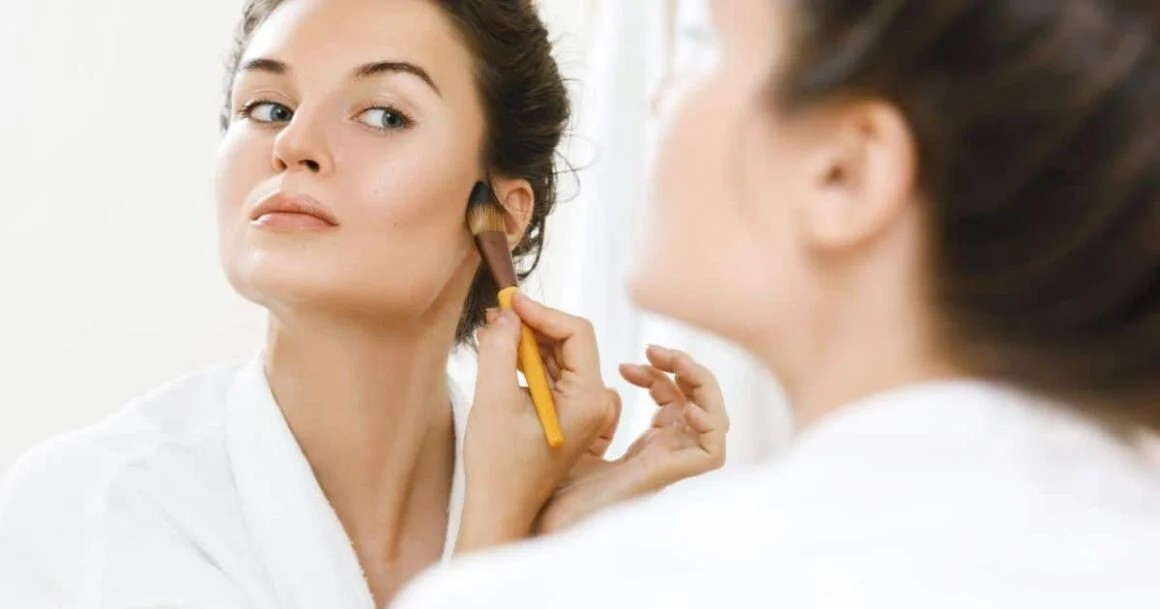
Step 4: Cosmetic Solutions for Instant Fuller Brows
Even with regrowth strategies, results take time. In the meantime, cosmetic options can improve appearance instantly.
1. Eyebrow Pencils and Powders
-
Use light, feathery strokes to mimic natural hairs.
-
Choose a shade close to your natural brow color for a realistic look.
2. Brow Gels and Tints
-
Tinted brow gels add volume and color, making sparse areas look fuller.
-
Semi-permanent tints can last several weeks and reduce daily makeup needs.
3. Microblading
-
A semi-permanent tattoo technique that creates the look of natural hairs.
-
Can last 12–18 months, depending on skin type and care.
-
Recommended for those with significant thinning or gaps.
4. Brow Lamination
-
Smooths and lifts brow hairs for a fuller appearance.
-
Works best for fine, sparse hairs that grow downward.
-
Results last 6–8 weeks.
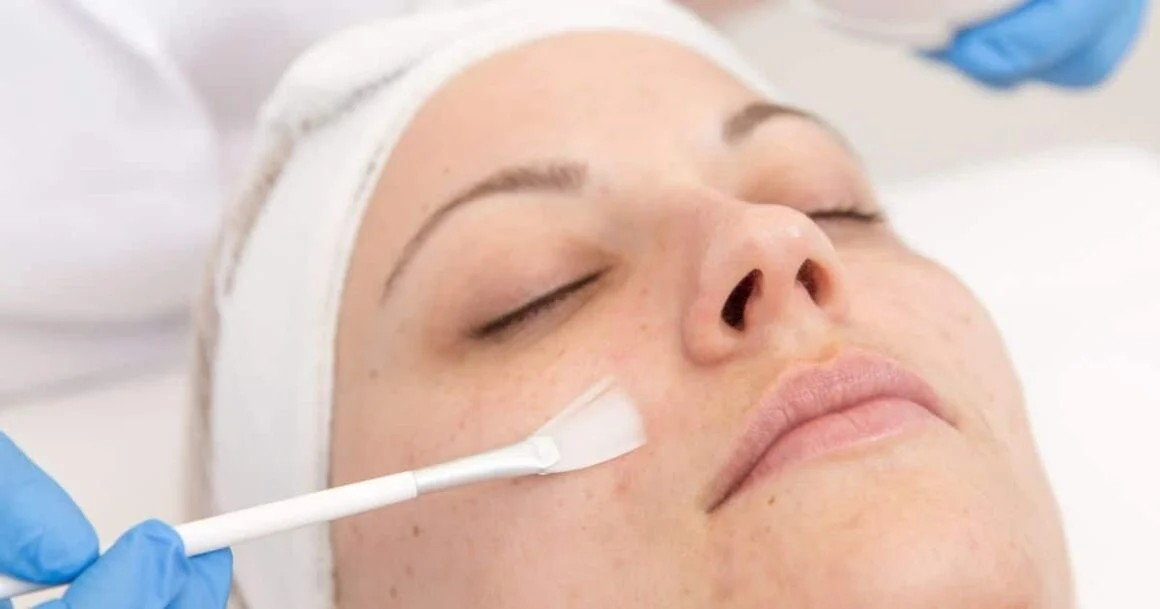
Step 5: Professional Treatments for Thicker Brows
For more permanent solutions, consider medical-grade treatments.
1. Platelet-Rich Plasma (PRP)
-
Uses your own blood platelets to stimulate hair follicles.
-
Can increase density and thickness over several sessions.
2. Hair Transplants
-
For severe eyebrow thinning, follicular unit transplantation (FUT) can provide a long-term solution.
-
Hair is transplanted from the scalp to the brows.
-
Requires professional consultation and careful technique.
3. Laser and Light Therapy
-
Low-level laser therapy (LLLT) can improve blood flow and stimulate dormant follicles.
-
Results vary, but it may support regrowth when combined with other treatments.
Step 6: Hormonal Support and Medical Consultation
-
Since menopause drives hormonal changes that affect hair, consult your doctor about options.
-
Hormone replacement therapy (HRT) can sometimes improve hair density, including eyebrows.
-
Thyroid function should also be checked if thinning is sudden or severe.
Tip: A holistic approach that includes both skincare, nutrition, and medical guidance offers the best results.
Step 7: Daily Care and Maintenance
Consistent care improves outcomes and prevents further thinning.
-
Clean gently: Avoid harsh soaps or cleansers that strip natural oils.
-
Moisturize: Light oils or balms help maintain follicle health.
-
Brush daily: Using a spoolie brush stimulates circulation and trains hairs to grow in the desired direction.
-
Protect from sun: UV damage can weaken hair shafts, so consider sunscreen or hats if exposed.
Step 8: Lifestyle Factors to Support Hair Health
1. Stress Management
-
Chronic stress increases cortisol, which can negatively impact hair growth.
-
Meditation, yoga, or mindful breathing can help.
2. Adequate Sleep
-
Growth hormone released during deep sleep supports hair follicle regeneration.
3. Avoid Smoking and Excess Alcohol
-
Both contribute to oxidative stress and can worsen thinning.
4. Regular Exercise
-
Improves circulation, bringing nutrients and oxygen to hair follicles.
Step 9: Myths and Misconceptions
-
“Once eyebrows thin, nothing can be done” – False. Regrowth is possible with the right combination of nutrition, treatments, and professional help.
-
“All eyebrow serums work overnight” – False. Regrowth takes weeks to months.
-
“Plucking will speed up thinning” – Over-plucking can damage follicles, but gentle grooming is safe.
-
“Microblading stops natural hair growth” – False. Microblading does not affect follicles; it only adds pigment.
Step 10: Putting It All Together – A Daily Eyebrow Routine
Morning:
-
Cleanse gently
-
Apply brow serum (if using)
-
Use brow pencil or powder for filling
-
Apply tinted brow gel for volume and hold
Night:
-
Remove makeup thoroughly
-
Apply growth serum or light oil
-
Massage brows gently to stimulate follicles
Weekly:
-
Use a spoolie to brush hairs in the desired direction
-
Consider gentle exfoliation around the brow area to remove dead skin
Monthly:
-
Reassess progress and adjust routine
-
Schedule any professional treatments like microblading or PRP sessions
Step 11: Expect Realistic Results
-
Initial hair regrowth may take 6–12 weeks.
-
Cosmetic improvements are immediate, but natural hair regrowth is gradual.
-
Combining nutrition, serum use, and professional guidance yields the best long-term results.
Patience is key: eyebrow hair grows slowly, and results depend on consistency.
Frequently Asked Questions
Q1: Can menopause cause complete eyebrow loss?
A1: Rarely. Thinning is common, but total loss usually points to other conditions like alopecia areata or thyroid disease.
Q2: Are all brow serums safe for menopausal women?
A2: Most over-the-counter serums are safe, but prescription treatments like bimatoprost should be used under medical supervision.
Q3: Will hormone replacement therapy restore eyebrow fullness?
A3: It may help in some women, particularly if hair thinning is largely hormonal, but results vary.
Q4: Can microblading damage hair follicles?
A4: No, it only deposits pigment above the follicle layer. Gentle technique ensures natural growth is preserved.
Q5: How long until I see regrowth with a serum?
A5: Typically 6–12 weeks for initial visible changes, with fuller results in 3–6 months.
Thinning eyebrows during menopause is a natural and common part of aging. However, it doesn’t have to define your look. With a combination of proper nutrition, gentle care, growth serums, cosmetic enhancements, and professional treatments, you can restore fuller, healthier-looking brows.
The key is consistency, patience, and a multi-faceted approach:
-
Focus on nutrition and hormone support
-
Use growth-promoting serums
-
Apply gentle grooming techniques
-
Incorporate cosmetic solutions like pencils, gels, or microblading
-
Consult professionals for advanced treatments if needed
With care and attention, your eyebrows can continue to frame your face beautifully, maintaining your confidence and enhancing your natural features throughout menopause and beyond.
Tackling Sparse and Thinning Eyebrows During Menopause
Eyebrows may seem like a small feature, but they frame your face, enhance your expressions, and impact your overall appearance. Many women notice changes in their eyebrows during menopause: hairs become thinner, sparser, or grow more slowly. While this is a common symptom of hormonal changes, there are numerous strategies to restore fullness, maintain hair health, and boost confidence.
This extended guide covers everything from the science behind eyebrow thinning to practical routines, natural remedies, professional treatments, and lifestyle strategies to help you tackle this issue comprehensively.
Understanding Eyebrow Thinning During Menopause
Eyebrow hair thinning during menopause is a result of several factors, primarily hormonal fluctuations, but also aging, lifestyle, and health factors.
1. Hormonal Changes
Menopause is marked by a decline in estrogen and progesterone, two hormones that support hair follicle health:
-
Estrogen: Promotes hair growth and thickness. Lower estrogen levels during menopause slow hair growth and may result in finer hair.
-
Progesterone: Helps maintain hair follicle function. Its decline may lead to weaker, sparser hairs.
-
Androgen shift: Relative increases in androgens like testosterone can cause hair thinning in specific areas, including eyebrows.
Hormonal fluctuations affect the hair growth cycle, shortening the anagen (growth) phase and lengthening the telogen (resting) phase. This results in slower hair growth and thinner strands, making brows appear patchy.
2. Aging
-
As we age, the number of active hair follicles decreases, and remaining hairs may grow more slowly.
-
Hair also becomes finer and more fragile, contributing to thinning brows.
3. Nutritional Deficiencies
Hair follicles require vitamins, minerals, and proteins to grow. Deficiencies in any of the following can contribute to thinning:
-
Iron
-
Zinc
-
Biotin (vitamin B7)
-
Vitamin D
-
Protein
4. Over-Plucking or Waxing
-
Repeated over-plucking over the years can damage hair follicles, making regrowth more difficult as you age.
-
Thinning becomes more noticeable during menopause when hair growth naturally slows.
5. Medical Conditions
-
Thyroid disorders (hypothyroidism, hyperthyroidism)
-
Autoimmune diseases (alopecia areata, lupus)
-
Certain medications (chemotherapy, anticoagulants, some antidepressants)
Key takeaway: Menopausal eyebrow thinning is multifactorial. Understanding the cause helps determine the best approach for regrowth and maintenance.
The Hair Growth Cycle and Its Role in Eyebrow Thinning
Eyebrow hair grows in three phases:
-
Anagen (Growth Phase): Hairs actively grow for 4–6 weeks.
-
Catagen (Transition Phase): Hair growth slows, and follicles shrink for 2–3 weeks.
-
Telogen (Resting Phase): Hair falls out, and the follicle remains dormant for 2–3 months before regrowth.
During menopause, anagen phase shortens and telogen phase lengthens, meaning hair grows slower, falls out sooner, and looks thinner. Understanding this cycle is critical because it explains why results from serums or treatments take months to appear.
Step 1: Nutrition for Healthy Eyebrow Hair
Good nutrition is foundational for maintaining or regrowing eyebrows. Hair follicles need protein, vitamins, and minerals to function optimally.
Key Nutrients and Sources
-
Protein: Essential for keratin production. Include eggs, chicken, fish, beans, and lentils.
-
Iron: Prevents hair loss. Include spinach, red meat, lentils, and fortified cereals.
-
Zinc: Supports hair follicle repair and growth. Found in pumpkin seeds, oysters, and whole grains.
-
Biotin: Strengthens hair strands. Found in eggs, almonds, and sweet potatoes.
-
Vitamin D: Promotes follicle growth. Sun exposure and fatty fish are excellent sources.
-
Omega-3 Fatty Acids: Improve scalp and follicle health. Found in salmon, walnuts, and flaxseed.
Tip: Consult your doctor for bloodwork if you suspect deficiencies, especially iron or vitamin D, as they significantly impact hair growth.
Step 2: Stop Over-Plucking and Practice Gentle Grooming
Menopause is the perfect time to rethink eyebrow maintenance.
-
Avoid plucking, waxing, or threading excessively.
-
Use small, precise tweezers to maintain shape without over-thinning.
-
Brush eyebrows daily with a spoolie brush to train hairs to grow upward or outward.
Pro tip: Trim long hairs with small scissors instead of plucking them to avoid damaging follicles.
Step 3: Eyebrow Growth Serums and Treatments
Several products are formulated to stimulate hair growth in sparse areas.
Key Ingredients
-
Peptides: Stimulate follicle activity and increase hair density.
-
Bimatoprost (prostaglandin analog): Prescription treatment shown to increase eyebrow thickness.
-
Biotin and panthenol: Strengthen hair shafts and prevent breakage.
-
Castor oil: Traditional remedy for promoting hair growth and improving hair health.
How to Apply
-
Apply a thin layer once daily, preferably at night.
-
Use a clean brush or applicator to avoid contamination.
-
Avoid contact with eyes to prevent irritation.
-
Be patient: visible results usually appear in 6–12 weeks.
Note: Some serums may cause mild irritation initially, which is normal. Patch testing is recommended.
Step 4: Cosmetic Solutions for Fuller-Looking Brows
While waiting for natural regrowth, cosmetic solutions can provide immediate improvement:
-
Eyebrow Pencils: Use light, feathery strokes to mimic natural hair.
-
Powder or Pomade: Adds volume to sparse areas.
-
Tinting: Semi-permanent dye can make brows appear fuller for several weeks.
-
Microblading: A semi-permanent tattoo technique that mimics hair strokes and can last 12–18 months.
-
Brow Lamination: Smooths and lifts existing hairs for a fuller appearance for 6–8 weeks.
Step 5: Professional Treatments
For stubborn thinning, professional interventions can help:
-
PRP (Platelet-Rich Plasma): Uses your own blood to stimulate follicle activity and encourage new growth.
-
Hair Transplant: Follicular units from the scalp are transplanted to the brows for long-term results.
-
Laser Therapy: Low-level lasers stimulate dormant follicles and improve density.
Tip: These treatments are most effective when combined with consistent at-home care and nutrition.
Step 6: Hormonal Support
-
Hormonal imbalances are a major factor in menopausal eyebrow thinning.
-
Hormone replacement therapy (HRT) may help restore hair growth in some women.
-
Thyroid checks are also important; hypo- or hyperthyroidism can exacerbate thinning.
Always discuss these options with your healthcare provider.
Step 7: Daily Care and Maintenance
-
Clean brows gently with water or mild cleanser.
-
Moisturize with oils or balms to maintain follicle health.
-
Brush daily to stimulate follicles and train hair growth direction.
-
Protect from sun exposure to prevent hair shaft damage.
Step 8: Lifestyle Habits That Support Hair Health
-
Manage Stress: Cortisol impacts hair growth; yoga, meditation, or mindfulness can help.
-
Sleep: Growth hormone released during deep sleep supports follicle regeneration.
-
Avoid Smoking and Limit Alcohol: Both increase oxidative stress and weaken hair.
-
Exercise: Enhances circulation, bringing nutrients to hair follicles.
Step 9: Troubleshooting Common Problems
Slow Regrowth
-
Solution: Be consistent with serum and nutrition; consider professional treatments if progress stalls.
Patchy Brows
-
Solution: Use cosmetic pencils or microblading while stimulating regrowth with serums.
Irritation From Serums
-
Solution: Reduce application frequency and patch test products. Switch to milder formulas if needed.
Step 10: Suggested Daily Eyebrow Routine
Morning:
-
Cleanse gently
-
Brush brows with a spoolie
-
Apply brow gel or pencil if desired
-
Optional sunscreen on exposed skin
Night:
-
Remove makeup
-
Apply growth serum or light oil
-
Massage brows for 1–2 minutes to stimulate follicles
Weekly:
-
Light exfoliation around brow area
-
Trim long hairs if necessary
Step 11: Product Recommendations
-
Growth Serums: RevitaBrow, RapidBrow, Latisse (prescription)
-
Oils: Castor oil, coconut oil, jojoba oil
-
Brow Pencils: Anastasia Beverly Hills Brow Wiz, Benefit Precisely My Brow
-
Brow Gels: Glossier Boy Brow, Maybelline Brow Drama
-
Tinting Kits: RefectoCil Brow Tint
Step 12: Expect Realistic Results
-
Initial regrowth: 6–12 weeks
-
Noticeable improvement: 3–6 months
-
Maximum density: 6–12 months
Patience and consistency are crucial.
Step 13: Frequently Asked Questions
Q1: Can menopause cause total eyebrow loss?
A1: Rare. Thinning is normal; total loss may indicate a medical issue.
Q2: Are all growth serums safe?
A2: Most OTC serums are safe. Prescription treatments should be used under supervision.
Q3: Will HRT restore brows?
A3: Sometimes, if hair thinning is largely hormonal, but results vary.
Q4: Does microblading stop natural hair growth?
A4: No, it only adds pigment above the follicle layer.
Q5: How long for serum results?
A5: 6–12 weeks for initial changes; fuller results in 3–6 months.
Final Thoughts
Thinning eyebrows during menopause is a natural process but does not have to be permanent. With a comprehensive approach that includes nutrition, gentle grooming, growth serums, cosmetic solutions, and professional treatments, you can restore fuller, healthier-looking brows.
Consistency and patience are key: eyebrow regrowth is gradual, but with the right strategies, you can maintain a beautiful frame for your face and boost your confidence during menopause and beyond.