The Best Lotion For Crepey Skin On Arms And Legs
If you’ve ever looked down at your arms or legs and thought, “When did my skin start looking like this?” you’re not alone. Crepey skin sneaks up quietly. One day your skin feels a little thinner, a little drier, and then suddenly it has that fine, crinkled texture that no amount of regular body lotion seems to fix.
The good news is this: crepey skin is incredibly common, and with the right approach, it can look and feel significantly better. The key is understanding why crepey skin happens and choosing lotions that actually address the problem instead of just sitting on the surface.
Let’s talk honestly about what crepey skin is, what it isn’t, and how to choose the best lotion for arms and legs that truly makes a difference.
What Is Crepey Skin, Really?
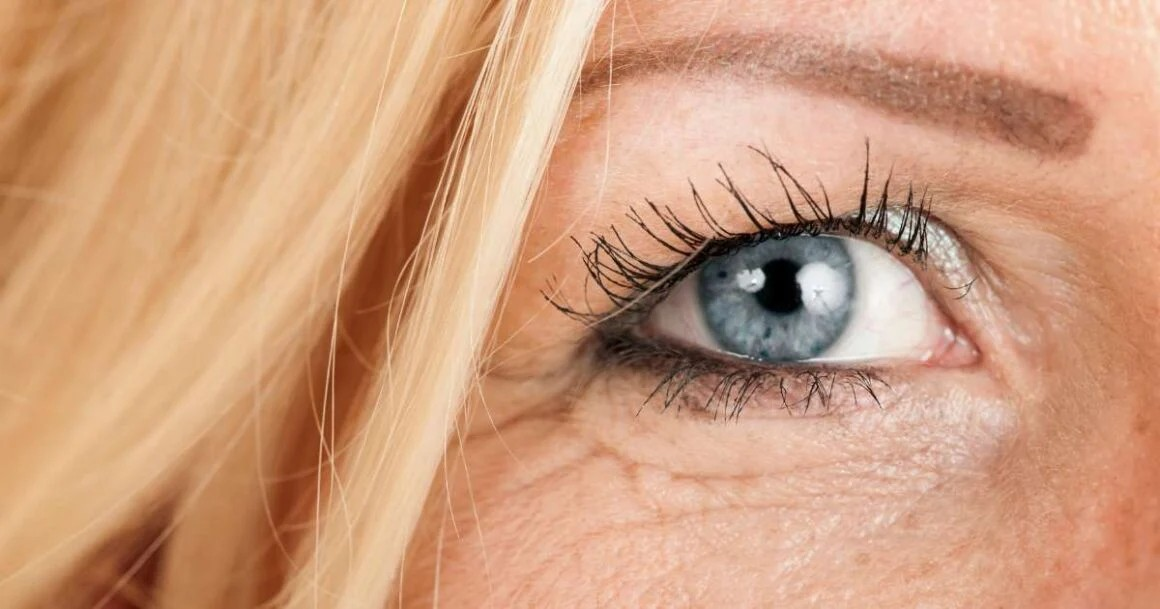
Crepey skin gets its name from its resemblance to crepe paper. It looks thin, finely wrinkled, and fragile. Unlike loose skin, which often comes from weight loss, crepey skin is primarily about loss of structure and hydration.
Crepey skin tends to show up most noticeably on:
-
Upper arms
-
Forearms
-
Thighs
-
Knees
-
Lower legs
-
Décolletage
It’s especially common as we age, but it can appear earlier due to sun exposure, dehydration, or genetics.
Why Crepey Skin Develops on Arms and Legs
There isn’t one single cause it’s usually a combination of factors working together over time.
Collagen and Elastin Loss
As we age, our bodies naturally produce less collagen and elastin. These proteins give skin its firmness and bounce. When they decline, skin becomes thinner and less resilient.
Chronic Dryness
Arms and legs have fewer oil glands than the face. Over time, dryness weakens the skin barrier, making crepey texture more visible.
Sun Damage
UV exposure breaks down collagen faster than almost anything else. Even years of “just a little sun” add up.
Hormonal Changes
Estrogen plays a big role in skin thickness and hydration. As estrogen levels drop, especially during perimenopause and menopause, crepey skin becomes more noticeable.
Weight Fluctuations
Repeated stretching and shrinking of the skin can weaken its structure over time. Understanding these causes helps explain why a basic lotion often isn’t enough.
What Makes a Lotion Effective for Crepey Skin?
Not all lotions are created equal. The best lotions for crepey skin go beyond surface hydration and support the skin’s structure, barrier, and elasticity.
Here’s what to look for.
Key Ingredients That Actually Help Crepey Skin
Humectants for Deep Hydration
These draw water into the skin, which immediately improves texture.
Look for:
-
Glycerin
-
Hyaluronic acid
-
Urea
-
Sodium PCA
Hydration plumps the skin, making crepey lines appear softer almost instantly.
Emollients to Smooth and Soften
Emollients fill in microscopic cracks in the skin, improving smoothness and comfort.
Look for:
-
Shea butter
-
Squalane
-
Ceramides
-
Cocoa butter
-
Oils like jojoba or avocado
These help skin feel supple instead of papery.
Occlusives to Lock Everything In
Occlusives prevent moisture loss, which is essential for fragile skin.
Look for:
-
Petrolatum
-
Dimethicone
-
Beeswax
-
Lanolin
These ingredients protect the skin barrier, especially important for arms and legs exposed to the elements.
Skin-Restoring Actives
This is where lotions for crepey skin really stand apart.
Ingredients that help improve skin quality over time include:
-
Retinol (in low, body-safe concentrations)
-
Peptides
-
Niacinamide
-
Alpha hydroxy acids like lactic acid
-
Urea at higher percentages
These ingredients encourage renewal and improve texture gradually.
Why Regular Body Lotion Isn’t Enough
Many standard lotions are designed for basic dryness, not aging skin. They often:
-
Evaporate quickly
-
Lack barrier-repair ingredients
-
Don’t address thinning skin
-
Provide only temporary softness
If your lotion feels nice but your skin looks the same an hour later, it’s probably not doing much beyond surface hydration.
Crepey skin needs layered hydration, barrier repair, and long-term support.
Texture Matters: Creams vs Lotions vs Balms
For crepey skin, texture makes a difference.
Lotions
-
Lightweight
-
Absorb quickly
-
Best for mild dryness
Creams
-
Thicker and more nourishing
-
Better for visible crepey texture
-
Ideal for arms and legs
Balms and Body Butters
-
Very rich
-
Excellent for severely dry areas
-
Best used at night or on targeted areas
Most people with crepey skin benefit from creams or rich lotions, especially during cooler months.
How to Apply Lotion for Maximum Results
Application technique matters just as much as the product.
Apply to Damp Skin
The best time to apply lotion is right after bathing, when skin is still slightly damp. This helps trap moisture.
Use Enough Product
Crepey skin needs more than a quick swipe. Massage lotion in thoroughly, especially over textured areas.
Massage Gently
Massage increases circulation and helps ingredients absorb better. Use upward strokes on arms and legs.
Be Consistent
Daily application is essential. Skipping days slows progress.
Morning vs Night: Timing Your Lotion
Morning Application
-
Focus on hydration and barrier protection
-
Choose lotions that absorb well
-
Follow with sunscreen if arms or legs are exposed
Night Application
-
Best time for richer creams
-
Ideal for lotions with retinol or exfoliating acids
-
Skin repairs itself while you sleep
Using different lotions for day and night can accelerate improvement.
Can Lotion Really Improve Crepey Skin?
Here’s the honest answer: lotion can dramatically improve how crepey skin looks and feels, but it won’t completely reverse aging skin.
What good lotion can do:
-
Plump skin with hydration
-
Improve smoothness
-
Reduce the appearance of fine creping
-
Strengthen the skin barrier
-
Support long-term skin health
What it can’t do:
-
Fully restore lost collagen
-
Tighten significantly loose skin overnight
That doesn’t mean lotion isn’t worth it. It just means realistic expectations matter.
Supporting Lotion with Smart Habits
Lotions work best when paired with a few supportive habits.
Gentle Exfoliation
Occasional exfoliation helps lotions penetrate better. Choose:
-
Lactic acid body lotions
-
Mild exfoliating cleansers
-
Soft washcloths
Avoid harsh scrubs that damage fragile skin.
Sun Protection
UV exposure worsens crepey skin. Applying sunscreen to exposed arms and legs makes a huge difference long-term.
Hydration from Within
While lotion works topically, drinking enough water supports overall skin function.
Strength Training
Muscle tone beneath the skin can improve the appearance of arms and legs, complementing topical care.
When to Expect Results
Crepey skin doesn’t improve overnight, but changes can happen faster than you think.
-
Immediate softness: same day
-
Improved texture: 2–4 weeks
-
Visible smoothing: 6–8 weeks with consistent use
-
Long-term improvement: 3+ months
Consistency is everything.
Common Mistakes That Slow Progress
-
Using lotion only occasionally
-
Applying to completely dry skin
-
Switching products too frequently
-
Over-exfoliating
-
Ignoring sun protection
Stick with one solid routine and give it time.
Crepey skin is not a personal failure. It’s a normal response to time, hormones, and life. The goal isn’t perfection it’s comfort, confidence, and skin that feels healthy in your own body.
The best lotion for crepey skin on arms and legs is one that:
-
Hydrates deeply
-
Supports the skin barrier
-
Feels good enough that you’ll use it daily
-
Fits into your real life
With the right lotion and consistent care, crepey skin can look smoother, feel stronger, and stop stealing your attention every time you catch a glimpse in the mirror.
Taking Crepey Skin Care to the Next Level: What Helps Beyond Lotion Alone
While the right lotion is the foundation of treating crepey skin, long-term improvement often comes from a layered approach. Think of lotion as your daily maintenance, while supportive habits and complementary products enhance results over time.
When you combine hydration, barrier repair, and skin renewal, the skin gradually regains a smoother, more resilient appearance.
How Retinol Body Lotions Improve Crepey Skin Over Time
Retinol isn’t just for your face anymore. Many modern body lotions now include low-strength retinol specifically formulated for larger areas like arms and legs.
Retinol helps crepey skin by:
-
Encouraging cell turnover
-
Supporting collagen production
-
Improving skin thickness over time
-
Reducing fine, paper-like texture
Because body skin is generally thicker than facial skin, it often tolerates retinol better. However, consistency and patience are key.
Tips for Using Retinol Body Lotion Safely
-
Start 2–3 nights per week
-
Apply to dry skin, then follow with a moisturizer if needed
-
Avoid mixing with strong exfoliants
-
Always use sunscreen on exposed areas
Results usually become noticeable after 6–12 weeks.
The Role of Lactic Acid and Urea in Crepey Skin Care
Two ingredients deserve special attention when it comes to crepey skin on arms and legs: lactic acid and urea.
Lactic Acid
Lactic acid is a gentle alpha hydroxy acid that:
-
Exfoliates dead skin cells
-
Improves hydration
-
Softens rough texture
-
Enhances lotion absorption
Unlike harsher acids, lactic acid is well-suited for mature, dry skin.
Urea
Urea is one of the most underrated ingredients in body care. At moderate concentrations, it:
-
Attracts moisture
-
Softens thickened skin
-
Improves elasticity
-
Strengthens the skin barrier
Lotions containing urea are especially effective for lower legs, elbows, and areas with stubborn creping.
Layering Products for Maximum Results
If crepey skin is more advanced, layering products can significantly improve results.
A simple layering routine might look like this:
-
Apply a hydrating serum or essence to damp skin
-
Follow with a treatment lotion (retinol, lactic acid, or peptide-based)
-
Seal with a richer cream or balm
This method traps hydration while delivering active ingredients where they’re needed most.
How Long-Term Sun Damage Affects Crepey Skin
Sun damage is one of the biggest contributors to crepey texture, especially on arms and legs that are regularly exposed.
UV damage:
-
Breaks down collagen
-
Thins the skin
-
Increases dryness
-
Worsens fine wrinkling
Even the best lotion can’t fully compensate for ongoing sun exposure. Daily sunscreen on exposed arms and legs is one of the most powerful anti-crepey skin tools available.
Can Exercise Improve the Look of Crepey Skin?
While exercise doesn’t change the skin directly, it affects what’s underneath it.
Strength training can:
-
Improve muscle tone beneath the skin
-
Reduce the appearance of looseness
-
Enhance overall limb shape
Improved circulation from movement also supports skin health by delivering oxygen and nutrients more efficiently.
Even light resistance training can complement topical care beautifully.
Nutrition and Its Subtle Impact on Skin Texture
While lotions do the heavy lifting topically, nutrition supports skin from the inside.
Key nutrients for skin health include:
-
Protein for collagen support
-
Vitamin C for collagen synthesis
-
Omega-3 fatty acids for barrier health
-
Zinc for repair and renewal
You don’t need a perfect diet, but consistent nourishment supports better skin resilience over time.
Why Consistency Beats Product Hopping Every Time
One of the most common reasons people don’t see improvement is switching products too quickly.
Crepey skin responds slowly. Constantly changing lotions:
-
Interrupts progress
-
Prevents skin from adjusting
-
Makes it hard to assess what’s working
Choose one high-quality lotion and commit to it for at least 6–8 weeks before deciding whether it’s helping.
When Professional Treatments May Help
For some people, lotions alone won’t fully address crepey skin — especially if thinning and laxity are advanced.
Professional options may include:
-
Radiofrequency treatments
-
Ultrasound skin tightening
-
Professional chemical peels
-
Microneedling for body skin
These treatments work best when paired with good at-home care, not as replacements for it.
Managing Expectations Without Losing Hope
It’s important to approach crepey skin with realistic expectations and kindness toward yourself.
Improvement often looks like:
-
Smoother texture
-
Softer appearance
-
Less visible crinkling
-
Skin that feels stronger and more comfortable
Progress doesn’t mean perfection. Even subtle changes can significantly improve confidence and comfort.
Seasonal Adjustments for Crepey Skin Care
Your lotion routine may need adjustments throughout the year.
Winter
-
Use thicker creams
-
Apply lotion twice daily
-
Avoid overly hot showers
Summer
-
Choose lighter but still nourishing formulas
-
Focus on sun protection
-
Increase hydration after shaving
Listening to your skin’s seasonal needs helps maintain results year-round.
Emotional Side of Crepey Skin: It’s Okay to Acknowledge It
Crepey skin can impact how we feel in sleeveless tops or shorts. That emotional response is valid.
But it’s also worth remembering:
-
Skin changes don’t diminish worth
-
Aging skin reflects a life lived
-
Care is about comfort and confidence, not erasing time
Treating crepey skin should feel empowering, not punishing.
Final Thoughts
Crepey skin on arms and legs responds best to:
-
Deep, consistent hydration
-
Barrier repair
-
Gentle exfoliation
-
Sun protection
-
Realistic expectations
The best lotion for crepey skin isn’t just about ingredients it’s about finding something you’ll actually use every day. When you commit to care instead of quick fixes, your skin has the opportunity to look smoother, feel stronger, and reflect the care you’re giving it.