Why Exfoliate? + Best Face Exfoliators For Mature Skin
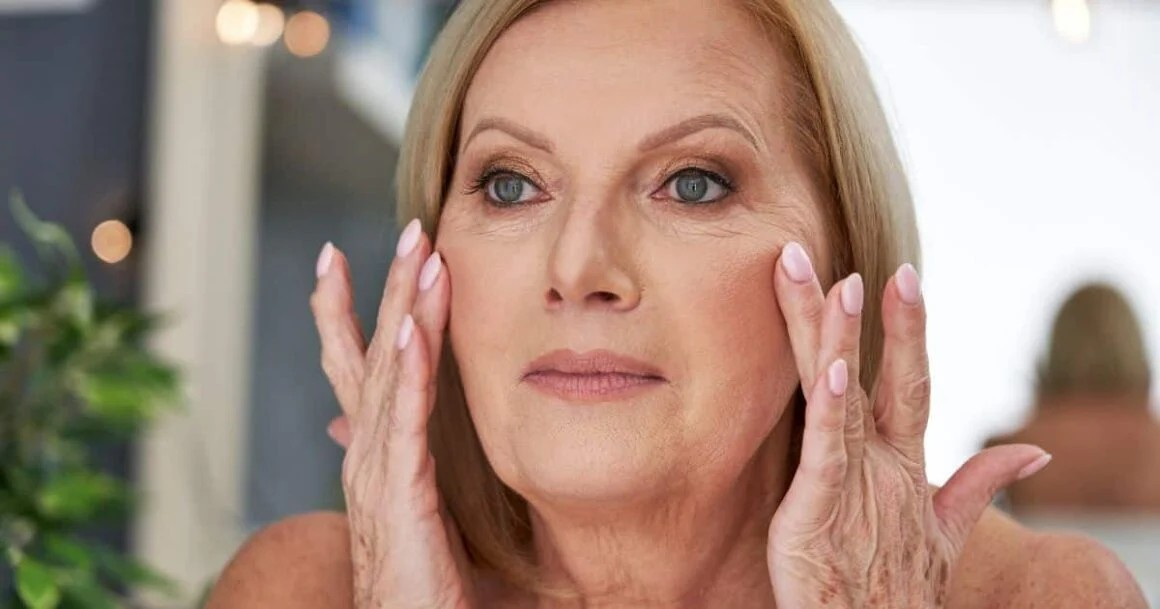
If you’re over 40, 50, or even 60, you may have noticed that your skin doesn’t bounce back the way it used to. Makeup doesn’t glide as smoothly, fine lines seem more prominent, and dullness can make your complexion look tired. One of the best ways to address these changes is through exfoliation a practice that’s been around for decades but is especially important as we age.
Exfoliation is not just about removing dead skin; it’s about renewing the surface, boosting radiance, and supporting healthy cell turnover. When done correctly, it can dramatically improve texture, reduce fine lines, and help your other skincare products work better.
In this guide, we’ll cover:
-
Why exfoliation is essential for mature skin
-
How exfoliation works
-
Types of exfoliation and how to choose the best one
-
The best face exfoliators for women over 40
-
How to exfoliate safely without damaging skin
-
Tips for building exfoliation into your skincare routine
By the end, you’ll understand why exfoliation is so important for mature skin and how to select the products and techniques that will give you smoother, brighter, and healthier-looking skin.
Why Exfoliation Is Important for Mature Skin
As we age, our skin undergoes a number of natural changes:
Slower Cell Turnover
When we’re young, our skin regenerates roughly every 28 days. By the time you’re over 40, that process can slow down to 40–50 days, which means dead skin cells linger longer on the surface. The result:
-
Dull, uneven skin tone
-
Rough texture
-
Makeup that looks patchy
Exfoliation helps remove that buildup, revealing fresh, healthy skin underneath.
Thinning and Fragility
Mature skin tends to thin over time, losing some of its protective barrier and elasticity. Gentle exfoliation can stimulate mild cellular activity without stripping or over-drying, which is crucial for preventing irritation or sensitivity.
Reduced Collagen and Elastin
Collagen and elastin breakdown leads to fine lines, sagging, and loss of firmness. Exfoliating encourages circulation and can improve the absorption of anti-aging products like retinoids, peptides, and hyaluronic acid.
Clogged Pores and Texture Irregularities
Dead skin can accumulate around pores, contributing to blackheads, uneven texture, and enlarged pores. Exfoliating helps keep the skin smooth and ready for treatment products.
How Exfoliation Works
Exfoliation is essentially the removal of dead skin cells from the surface of your skin, which can be achieved mechanically, chemically, or through a combination of methods.
1. Mechanical Exfoliation
Mechanical exfoliation uses physical particles or tools to slough off dead skin:
-
Facial scrubs with small beads
-
Microdermabrasion tools
-
Soft brushes
The key for mature skin is gentle motion avoid rough scrubs that can cause micro-tears or irritation.
2. Chemical Exfoliation
Chemical exfoliants dissolve the bonds between dead skin cells, allowing them to shed naturally:
-
Alpha Hydroxy Acids (AHAs): Glycolic, lactic, and mandelic acids
-
Beta Hydroxy Acid (BHA): Salicylic acid (oil-soluble, penetrates pores)
-
Polyhydroxy Acids (PHAs): Gentler alternatives like gluconolactone
Chemical exfoliation is often preferred for mature skin because it’s gentle, precise, and effective at improving tone, texture, and hydration.
3. Enzymatic Exfoliation
Enzyme exfoliants use fruit-based enzymes (papaya, pineapple, pumpkin) to digest dead skin cells. These are very mild and excellent for sensitive or thinning mature skin.
Benefits of Exfoliating Mature Skin
Exfoliation provides more than just a surface glow. Key benefits include:
1. Smoother Texture
Exfoliating removes rough patches and flakiness, creating a smoother canvas for makeup and skincare.
2. Brighter Skin Tone
Dullness is a hallmark of aging skin. Regular exfoliation removes the top layer of dead cells, revealing brighter, fresher skin underneath.
3. Enhanced Product Absorption
Skincare products work better on exfoliated skin because active ingredients penetrate more effectively.
4. Minimizing Fine Lines
Gentle exfoliation can reduce the appearance of superficial lines by smoothing the skin’s surface.
5. Preventing Breakouts
Even mature skin can experience occasional breakouts. Exfoliating helps keep pores clear, reducing blackheads and whiteheads.
Types of Exfoliators for Mature Skin
Choosing the right exfoliant is critical for preventing irritation while addressing aging concerns.
A. Gentle Chemical Exfoliants
Best For: Most mature skin types, especially sensitive or dry skin
Lactic acid is a standout because it exfoliates while drawing moisture into the skin, making it ideal for drier, older skin.
Glycolic acid penetrates a bit deeper and can stimulate collagen, but it may be slightly more irritating for sensitive skin.
PHAs are extremely gentle, hydrating, and antioxidant-rich perfect if your skin is reactive.
B. Enzyme-Based Exfoliants
Best For: Fragile, thin, or sensitive skin
These are often mask-style treatments that gently dissolve dead skin without mechanical abrasion. Enzyme masks using papaya, pineapple, or pumpkin are very popular.
They are mild enough to use weekly without risk of over-exfoliating.
C. Mechanical Exfoliants (Scrubs and Tools)
Best For: More resilient, normal-to-oily skin
Avoid large, jagged particles, which can cause microtears. Instead, choose:
-
Fine sugar scrubs
-
Smooth jojoba beads
-
Soft facial brushes or cleansing devices
Use light pressure, especially over mature skin, to avoid irritation or broken capillaries.
D. Combination Exfoliants
Some products combine chemical and enzymatic exfoliation, providing both immediate smoothness and long-term cellular turnover. These are ideal for mature skin that can tolerate mild acids but needs extra hydration.
How Often Should Mature Skin Be Exfoliated?
The frequency depends on skin type and sensitivity:
-
Sensitive or dry skin: 1–2 times per week
-
Normal skin: 2–3 times per week
-
Resilient, oily skin: 3–4 times per week
Important: Over-exfoliation can lead to redness, irritation, and barrier damage a common mistake in mature skin. Gentle, consistent exfoliation is far better than aggressive, frequent scrubbing.
Best Face Exfoliators for Mature Skin
Here’s a breakdown of the top types of exfoliators, selected for safety, effectiveness, and hydration for women over 40.
1. Lactic Acid-Based Exfoliators
Why it’s great: Lactic acid hydrates while exfoliating, reduces fine lines, and brightens.
Recommended products:
-
Creams or serums with 5–12% lactic acid for home use
-
In-office lactic acid peels for deeper results
2. Mandelic Acid Products
Why it’s great: Gentler than glycolic acid, anti-inflammatory, good for sensitive mature skin, evens tone, and reduces pigmentation.
3. PHAs (Gluconolactone, Lactobionic Acid)
Why it’s great: Mild, antioxidant-rich, hydrates, and strengthens the skin barrier perfect for aging, dry, or reactive skin.
4. Enzyme Masks
Why it’s great: Use once a week for gentle resurfacing without irritation. Look for papaya or pineapple enzymes.
5. Micro-Exfoliating Tools
Why it’s great: Soft brushes or silicone cleansing devices with gentle motion improve circulation and slough off dead cells. Avoid aggressive scrubbing.
6. Gentle Scrubs
Why it’s great: For resilient skin only. Choose scrubs with smooth, uniform granules, not crushed shells or harsh particles.
Tips for Safe Exfoliation for Mature Skin
-
Patch test new products before applying to your entire face.
-
Start slow with chemical exfoliants — 1–2 nights per week.
-
Follow with hydration — apply a nourishing serum or moisturizer after exfoliation.
-
Always use SPF — exfoliation increases photosensitivity.
-
Avoid mixing too many strong acids — can irritate mature skin.
-
Listen to your skin — if it becomes red, tight, or itchy, reduce frequency.
Exfoliation and Anti-Aging Skincare
Exfoliation works best as part of a complete anti-aging routine:
-
After exfoliating, apply hyaluronic acid serums for hydration.
-
Layer peptides or growth factors to support collagen.
-
Nighttime retinoids or vitamin C serums penetrate more effectively on freshly exfoliated skin.
-
Always follow with a rich moisturizer to protect and repair the skin barrier.
Professional Treatments for Mature Skin Exfoliation
Sometimes, at-home exfoliation isn’t enough. Professional treatments can deliver more dramatic results:
-
Chemical Peels: Tailored for mature skin to reduce fine lines, improve texture, and even tone.
-
Microdermabrasion: Gentle resurfacing to remove dead skin and stimulate circulation.
-
Laser Resurfacing: Fractional or non-ablative lasers improve texture, firmness, and fine lines.
-
Combination Treatments: Microneedling with chemical peels or PRP can boost results for aging skin.
Long-Term Benefits of Consistent Exfoliation
When incorporated consistently into a skincare routine, exfoliation:
-
Improves skin tone and radiance
-
Reduces the appearance of fine lines
-
Enhances absorption of anti-aging products
-
Maintains smooth texture
-
Supports skin barrier function
It’s a small step that makes a big difference over time, especially for mature skin.
Exfoliation isn’t just about removing dead skin it’s a key anti-aging strategy for women over 40. By incorporating the right products, techniques, and professional treatments, you can:
-
Brighten dull, aging skin
-
Smooth fine lines and wrinkles
-
Enhance hydration and texture
-
Improve the performance of your skincare products
The most important principles for mature skin:
-
Choose gentle, effective exfoliants
-
Avoid over-exfoliating or using harsh scrubs
-
Pair exfoliation with hydration, barrier support, and sun protection
-
Consider professional treatments for deeper, more visible results
Exfoliation is a cornerstone of radiant, healthy-looking mature skin done right, it can make your skin look and feel younger, smoother, and more vibrant.
Customizing Exfoliation for Your Skin Type
Mature skin isn’t one-size-fits-all. How you exfoliate should depend on your skin type, sensitivity, and goals.
Dry or Dehydrated Skin
If your skin feels tight, flakes, or looks dull:
-
Stick to gentle chemical exfoliants like lactic acid or PHAs.
-
Use hydrating serums or oils immediately after exfoliating to lock in moisture.
-
Avoid harsh physical scrubs that can worsen dryness or damage the barrier.
-
Frequency: 1–2 times per week is usually enough.
Sensitive or Reactive Skin
If your skin redness easily or reacts to products:
-
Enzyme-based exfoliators are ideal.
-
PHAs provide gentle chemical exfoliation with minimal irritation.
-
Avoid glycolic acid in high concentrations and abrasive scrubs.
-
Use a soothing moisturizer or barrier-repair product after treatment.
Normal to Combination Skin
If your skin is fairly resilient but shows some dullness or texture irregularities:
-
You can use chemical exfoliants like glycolic or mandelic acid 2–3 times per week.
-
Occasional gentle scrubs or microdermabrasion tools are okay.
-
Layering a PHA serum can enhance results without over-drying.
Oily or Acne-Prone Skin
Even mature skin can be oily in some areas, leading to clogged pores or blackheads:
-
Salicylic acid (BHA) is excellent for pore exfoliation.
-
Chemical exfoliation should be gentle enough to avoid over-stripping, which can trigger more oil production.
-
Use hydrating products alongside exfoliation to maintain barrier function.
Layering Exfoliation with Anti-Aging Treatments
Exfoliation works best when combined strategically with other anti-aging products. Here’s how to layer for maximum benefit:
1. Retinoids
Retinoids are the gold standard for aging skin because they:
-
Increase collagen production
-
Smooth fine lines and wrinkles
-
Improve texture and tone
Tip: Exfoliation before applying a retinoid can enhance absorption, but don’t overdo it. For sensitive mature skin, alternate days between chemical exfoliants and retinoids to avoid irritation.
2. Hyaluronic Acid and Moisturizers
After exfoliation, skin can temporarily feel more absorbent:
-
Apply a hyaluronic acid serum to draw moisture in.
-
Follow with a rich moisturizer to lock in hydration.
-
Look for ingredients like ceramides, squalane, or shea butter for barrier support.
3. Antioxidants
Vitamin C serums and other antioxidants work more effectively on freshly exfoliated skin:
-
Use in the morning to protect from environmental damage.
-
Exfoliation removes surface dead skin cells, allowing better penetration.
Seasonal Exfoliation Considerations
Your exfoliation routine should adapt to seasonal changes, since skin sensitivity, dryness, and sun exposure vary throughout the year.
Winter
-
Skin is often drier and more sensitive.
-
Reduce frequency of chemical exfoliation to 1–2 times per week.
-
Focus on hydrating exfoliants like lactic acid or PHAs.
-
Layer with richer moisturizers to prevent flaking.
Summer
-
Sun exposure is higher; skin may tolerate mild chemical exfoliation more frequently.
-
Always apply broad-spectrum SPF 30+ after exfoliation.
-
Consider lighter moisturizers to avoid clogged pores, especially if humidity is high.
Professional Exfoliation Options for Mature Skin
At-home exfoliants are great, but professional treatments can accelerate results:
1. Chemical Peels
-
Superficial peels (glycolic, lactic, mandelic) remove the outer dead layer of skin.
-
Medium-depth peels (TCA 15–20%) reach the mid-layer, improving fine lines, pigmentation, and sun damage.
-
Peels can be tailored based on skin type and age, making them ideal for mature skin seeking more visible results.
2. Microdermabrasion
-
Uses a mechanical device to gently abrade the skin, removing dead cells and stimulating circulation.
-
Improves dullness, minor fine lines, and texture irregularities.
-
Minimal downtime, usually safe for mature skin when performed gently.
3. Laser Resurfacing
-
Non-ablative or fractional lasers can stimulate collagen and tighten skin.
-
Excellent for fine lines, age spots, and rough texture.
-
Recovery varies depending on laser strength, but results are often longer-lasting than chemical peels.
4. Combination Treatments
Some clinics offer micro-needling with chemical peels or PRP, which accelerates collagen production and improves skin thickness. These can be particularly beneficial for mature skin that has lost elasticity.
Common Myths About Exfoliation
Mature skin can be tricky, and there’s a lot of confusion about exfoliation. Here’s the truth:
Myth 1: Exfoliating Too Much Speeds Up Aging
Fact: Gentle exfoliation promotes cell turnover and collagen stimulation. Over-exfoliation with harsh scrubs can damage the barrier, but moderate, consistent exfoliation is beneficial.
Myth 2: Mature Skin Should Avoid Exfoliation
Fact: Exfoliation is more important as we age, because cell turnover slows. Properly chosen exfoliants improve texture, brightness, and product absorption.
Myth 3: Scrubs Are Always Better
Fact: Physical scrubs can cause micro-tears and broken capillaries in thin, mature skin. Chemical and enzymatic exfoliants are safer and often more effective.
Building a Mature Skin Exfoliation Routine
Here’s a practical example for women over 40:
Step 1: Cleanse
Use a gentle, hydrating cleanser to remove dirt and makeup without stripping natural oils.
Step 2: Exfoliate
-
1–3 times per week depending on skin type.
-
Choose your exfoliant: lactic acid serum, PHA toner, or gentle enzyme mask.
Step 3: Hydrate
Apply a hyaluronic acid serum or light oil to draw moisture in.
Step 4: Anti-Aging Treatment
Layer retinoids or peptides at night, or antioxidants in the morning.
Step 5: Moisturize
Lock in hydration with a rich cream or facial oil. Look for ceramides, shea butter, or squalane.
Step 6: Protect
Daily SPF is essential exfoliated skin is more sensitive to UV damage.
Tips for Maintaining Healthy Exfoliated Skin
-
Introduce new products slowly — especially chemical exfoliants.
-
Patch test to avoid irritation.
-
Never combine strong acids with retinoids daily — alternate nights.
-
Listen to your skin — redness, irritation, or peeling are signs to back off.
-
Hydrate and protect — hydration is key for mature skin after exfoliation.
Benefits You’ll Notice Over Time
Consistent exfoliation can lead to:
-
Smoother skin texture
-
Brighter, more even skin tone
-
Reduced appearance of fine lines
-
Enhanced efficacy of anti-aging treatments
-
Improved skin hydration and softness
For mature skin, the key is gentle, consistent, and targeted exfoliation not aggressive scrubbing or overuse.
Final Thoughts
Exfoliation is one of the most impactful steps you can add to your skincare routine, especially after 40. It’s not just about removing dead skin it’s about stimulating renewal, improving product absorption, and maintaining healthy, resilient skin.
For mature skin:
-
Stick to gentle, effective exfoliants chemical, enzymatic, or mild physical.
-
Avoid over-exfoliating or harsh scrubs.
-
Combine with hydration, barrier support, and sun protection.
-
Consider professional treatments for deeper, longer-lasting results.
-
Customize frequency and strength based on your skin type and tolerance.
When done correctly, exfoliation can restore radiance, smooth texture, and enhance the performance of all your other anti-aging products giving mature skin the healthy, glowing appearance it deserves.