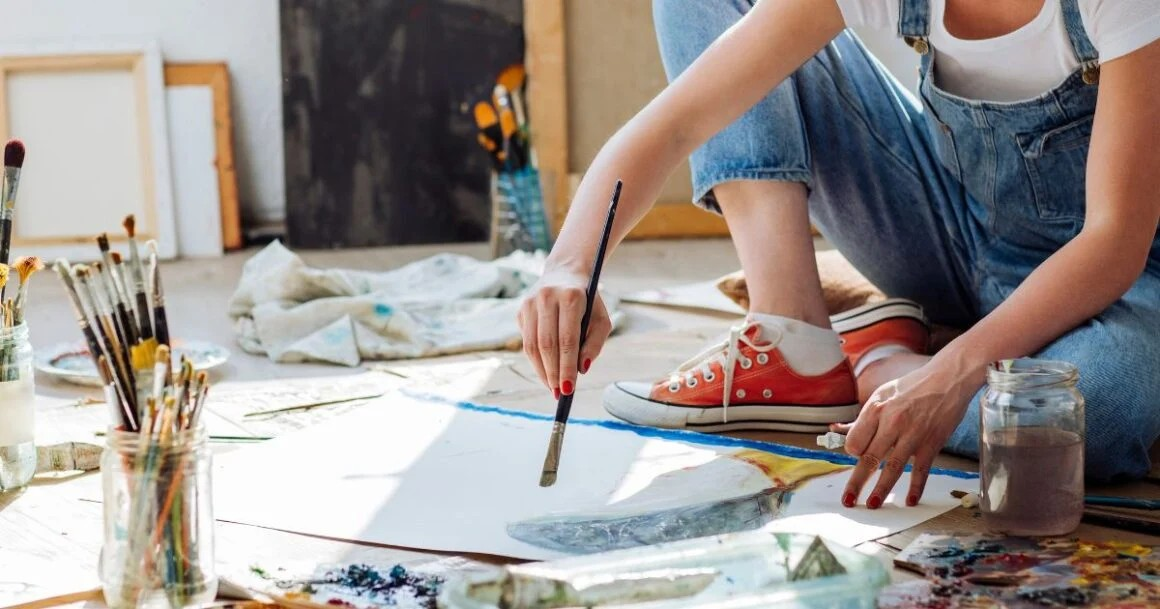
Creative Art Hobbies For Women Over 40
Turning 40 and beyond is a beautiful milestone. Life experience brings confidence, wisdom, and a greater understanding of what brings joy. Many women find themselves yearning for creative outlets something that allows them to relax, express themselves, and maybe even learn a new skill.
Art hobbies are the perfect way to do just that. They’re not only therapeutic but also give you a sense of accomplishment, self-expression, and fun. Whether you’ve dabbled in art before or are just beginning, there’s a creative hobby out there that can fit your lifestyle and ignite your passion.
In this guide, we’ll explore creative art hobbies for women over 40, tips to get started, and ideas to make your journey fun, fulfilling, and stress-free.
Why Art Hobbies Are Important After 40
You might wonder, “Why start an art hobby now?” There are actually numerous benefits to embracing creativity later in life:
-
Stress Relief: Art can be meditative and calming, reducing anxiety and promoting mindfulness.
-
Cognitive Stimulation: Learning new artistic techniques keeps your brain active and engaged.
-
Emotional Expression: Art helps process emotions, celebrate life, and communicate feelings that are sometimes hard to put into words.
-
Confidence Boost: Completing a painting, craft, or sculpture provides a tangible sense of accomplishment.
-
Social Connection: Joining classes or groups introduces you to like-minded women who share your creative interests.
-
Legacy Creation: Art can be shared with family, gifted to friends, or even become part of your home décor.
Whether you want a hobby to unwind in the evenings, a weekend passion project, or a full-blown creative practice, art hobbies have something for everyone.
1. Painting
Painting is a classic art form and offers limitless ways to express creativity.
Watercolor Painting
-
Soft, flowing, and forgiving, watercolor is perfect for beginners and experienced artists alike.
-
Benefits: Promotes relaxation, encourages experimentation, and develops an eye for color blending.
-
Tips: Start with a basic set of paints, watercolor paper, and brushes. Online tutorials or local classes are great for guidance.
Acrylic Painting
-
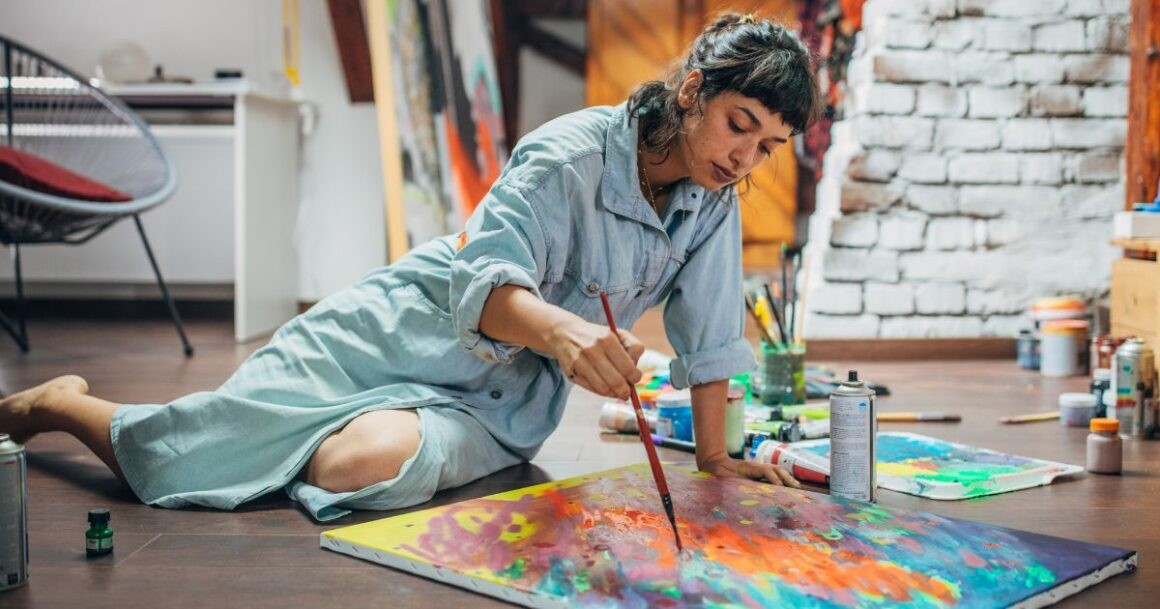
Vibrant, versatile, and quick-drying, acrylic paints are excellent for creating bold artwork.
-
Benefits: Perfect for experimenting with textures, layering, and mixed media.
-
Tips: Use canvas or acrylic paper and explore palette knives for added texture.
Oil Painting
-
Rich and luxurious, oil paints allow for depth and detailed work.
-
Benefits: Slower drying time gives you more flexibility and blending opportunities.
-
Tips: Invest in quality brushes and paints; consider beginner kits to start.
Pro Tip: Painting isn’t about perfection it’s about expression. Even simple abstract pieces can be incredibly satisfying.
2. Drawing and Sketching
Drawing is portable, inexpensive, and immensely satisfying.
Pencil Sketching
-
Ideal for beginners and veterans alike.
-
Benefits: Improves observation, develops hand-eye coordination, and can be done anywhere.
-
Tips: Start with still life or nature sketches; experiment with shading and line techniques.
Charcoal Drawing
-
Offers dramatic, bold effects.
-
Benefits: Teaches contrast, depth, and texture.
-
Tips: Use fixative spray to prevent smudging, and don’t be afraid of messy fingers it’s part of the fun.
Ink and Pen Art
-
Elegant, precise, and versatile.
-
Benefits: Develops control and attention to detail.
-
Tips: Try doodling, mandalas, or illustrated quotes for a relaxing start.
Pro Tip: Keep a sketchbook handy capturing everyday inspiration can be incredibly rewarding.
3. Calligraphy and Hand Lettering
Hand lettering and modern calligraphy have surged in popularity.
-
Benefits: Combines writing with visual art, improves patience and focus, and results in beautiful, usable artwork for cards, journals, and home décor.
-
Materials: Brush pens, nib pens, calligraphy markers, practice sheets.
-
Tips: Start with basic strokes, learn alphabet styles, and gradually create words or phrases.
Pro Tip: Personalized cards, gifts, or framed quotes make lovely holiday or birthday presents.
4. Mixed Media Art
Mixed media combines painting, collage, drawing, and even textiles to create unique artwork.
-
Benefits: Encourages experimentation, allows for creative freedom, and is perfect if you enjoy layering materials.
-
Materials: Paper, fabric, paint, glue, found objects, stamps, and more.
-
Tips: Start with a journal or canvas and combine elements like paint and fabric scraps for a textured piece.
Pro Tip: Don’t worry about “rules” the beauty of mixed media is that anything goes.
5. Textile and Fiber Arts
Textile arts are tactile, rewarding, and perfect for hands-on creativity.
Knitting and Crocheting
-
Create scarves, blankets, and gifts while exercising mindfulness.
-
Benefits: Relieves stress, improves focus, and results in tangible, usable items.
-
Tips: Start with beginner patterns or chunky yarn for faster results.
Embroidery and Cross-Stitch
-
Adds a personal touch to fabric with intricate designs.
-
Benefits: Improves hand dexterity and patience, and results in artwork that can be displayed.
-
Tips: Start with simple designs, and gradually explore floral or geometric patterns.
Quilting
-
Combines sewing and design for a functional piece of art.
-
Benefits: Encourages planning, pattern-making, and storytelling through fabric.
-
Tips: Start with small projects like table runners or pillow covers.
6. Paper Crafts
Paper crafts are inexpensive, versatile, and great for quick creative sessions.
Origami
-
Japanese art of folding paper into animals, flowers, and geometric shapes.
-
Benefits: Improves concentration, patience, and hand-eye coordination.
-
Tips: Start with simple models and work up to complex designs.
Paper Mache
-
Create sculptures, bowls, or masks using paper and glue.
-
Benefits: Teaches layering, shaping, and structural creativity.
-
Tips: Use balloons as molds for beginner-friendly projects.
Scrapbooking
-
Combine photos, journaling, and embellishments to tell a story.
-
Benefits: Preserves memories, encourages storytelling, and combines art with personal history.
-
Tips: Keep a theme for each scrapbook, like family events, vacations, or seasonal celebrations.
7. Jewelry Making
Jewelry making is creative, portable, and allows you to wear your art.
-
Benefits: Teaches design principles, fine motor skills, and personal expression.
-
Materials: Beads, wire, charms, clasps, tools.
-
Tips: Start with simple bracelets or earrings, then experiment with wire wrapping or mixed materials.
Pro Tip: Handmade jewelry can be gifted or even sold if you wish to turn your hobby into a small business.
8. Pottery and Clay Arts
Working with clay is tactile, grounding, and incredibly satisfying.
-
Benefits: Improves hand strength and coordination, encourages experimentation, and results in functional or decorative items.
-
Materials: Air-dry clay, polymer clay, or traditional pottery clay (if you have access to a kiln).
-
Tips: Start with small projects like bowls, ornaments, or figurines.
Pro Tip: Local pottery studios often offer classes, which are a great way to meet fellow creative women over 40.
9. Photography and Digital Art
Modern art isn’t limited to physical media. Photography and digital tools offer endless creative possibilities.
Photography
-
Capture everyday moments, nature, or abstract compositions.
-
Benefits: Teaches composition, color theory, and storytelling.
-
Tips: Experiment with lighting, angles, and editing software.
Digital Illustration
-
Create artwork using tablets or drawing software.
-
Benefits: Allows experimentation without wasting supplies, and is perfect for creating prints, cards, or digital journals.
-
Tips: Explore tutorials and apps like Procreate, Photoshop, or free alternatives like Krita.
10. Seasonal and Holiday Art
Holidays offer unique inspiration and a chance to make festive, meaningful creations.
-
Christmas: Ornaments, wreaths, nativity scenes, hand-lettered cards.
-
Easter: Painted eggs, spring floral crafts, resurrection-inspired art.
-
Thanksgiving: Fall leaf collages, gratitude journals, table décor.
Pro Tip: Seasonal crafts can become traditions, connecting your creativity with family celebrations.
Tips for Women Over 40 Starting an Art Hobby
-
Start Small: Choose projects that fit your schedule and energy levels.
-
Be Patient: Art is about progress, not perfection.
-
Create a Dedicated Space: Even a small corner with your supplies can encourage consistent practice.
-
Join a Class or Online Group: Community support provides motivation, learning, and camaraderie.
-
Document Your Journey: Keep a sketchbook, photo journal, or digital folder to track progress.
-
Embrace Mistakes: Art is experimental. Every mistake teaches something new.
-
Mix Media: Combine painting, sewing, and writing for fresh ideas.
Why Creative Hobbies Enhance Life After 40
Engaging in art hobbies later in life is about more than fun. Research shows that creative activity:
-
Reduces stress and anxiety
-
Boosts cognitive function
-
Enhances emotional well-being
-
Fosters social connection
-
Encourages lifelong learning
For women over 40, art hobbies can be a source of joy, self-discovery, and even reinvention. Many women find that creative pursuits open doors to new friendships, personal growth, and even small businesses. Creative art hobbies for women over 40 are a gateway to joy, relaxation, and personal expression. Whether you choose painting, knitting, jewelry-making, or digital art, the goal is to have fun, explore your talents, and nourish your soul.
There’s no “right” way to be creative only the way that brings you fulfillment. So gather your supplies, set aside time for yourself, and let your imagination run free.
Remember: art is not just about creating beautiful things it’s about enjoying the process, expressing yourself, and celebrating the life you’ve lived and the life you’re creating.
No matter your experience or skill level, it’s never too late to embrace creativity and find a new passion. Your 40s (and beyond) are the perfect time to explore, experiment, and express yourself through art.
Creative Art Hobbies for Women Over 40
Turning 40 is often a life changing milestone. Suddenly, there’s a deeper understanding of yourself, a desire to explore new passions, and maybe a longing for something purely for joy. For many women, this is the perfect time to embrace creative hobbies to slow down, explore, and enjoy the process of making something meaningful with your hands.
Art hobbies are not just about creating beautiful objects they’re about expressing your inner world, practicing mindfulness, and even improving mental and physical well-being. If you’ve been thinking about trying a new creative pursuit, this guide will inspire you with ideas, detailed project suggestions, seasonal inspirations, and tips to make art part of your lifestyle.
Why Art Hobbies Are Particularly Rewarding After 40
Before diving into projects, it’s important to understand why creative hobbies are especially beneficial at this stage of life.
-
Stress Relief and Mindfulness: Art draws you into the present moment, quieting the noise of everyday life.
-
Cognitive Engagement: Learning a new skill or technique keeps your brain active and improves memory.
-
Emotional Expression: Art allows you to process emotions, celebrate milestones, or even work through challenges.
-
Confidence and Achievement: Completing a painting, sculpture, or craft provides a tangible sense of accomplishment.
-
Social Connection: Joining classes or hobby groups can introduce you to like-minded women.
-
Legacy and Keepsakes: Your art can be shared, gifted, or preserved as a family treasure.
The great thing about art is that it’s never too late to start, and every project brings satisfaction, whether it’s a small doodle, a knitted scarf, or a painted canvas.
Painting as a Creative Outlet
Painting is one of the most versatile forms of artistic expression. It’s accessible, rewarding, and adaptable for beginners or experienced creators.
Watercolor Painting
Watercolor painting is soft, fluid, and incredibly forgiving, making it perfect for women starting out later in life.
Projects to Try:
-
Floral Paintings: Sunflowers, roses, or wildflowers are simple and satisfying.
-
Abstract Landscapes: Focus on color blending rather than perfection.
-
Watercolor Journals: Paint small vignettes or daily reflections to combine art and mindfulness.
Tips:
-
Use watercolor paper to prevent buckling.
-
Experiment with wet-on-wet and wet-on-dry techniques.
-
Start with a small palette and gradually expand.
Acrylic Painting
Acrylic paints are bold, vibrant, and dry quickly, making them perfect for layered projects.
Projects to Try:
-
Abstract Geometric Art: Create simple shapes and explore color blocking.
-
Mixed Media Canvases: Combine acrylic with textured materials like fabric or paper.
-
Home Décor Pieces: Paint decorative signs, canvas art, or table centerpieces.
Tips:
-
Use a palette knife for texture and unique effects.
-
Acrylics work well on canvas, wood, or even recycled materials.
Oil Painting
Oil painting is slower, more deliberate, and perfect for women who enjoy depth and blending.
Projects to Try:
-
Portraits or Silhouettes: Capture people, pets, or simple profile shapes.
-
Still Life: Fruit, flowers, or home objects for careful observation practice.
-
Landscape Scenes: Sunset, forest, or beach scenes with rich layers.
Tips:
-
Invest in good brushes and a palette.
-
Use a medium like linseed oil to speed up or slow drying as needed.
-
Clean brushes carefully to extend their lifespan.
Drawing and Sketching
Drawing is portable, inexpensive, and immensely satisfying.
Pencil Sketching
Projects to Try:
-
Nature sketches: Leaves, flowers, and trees.
-
Everyday objects: Cups, books, or vases from your home.
-
Portraits: Start simple and gradually add detail.
Tips:
-
Keep a small sketchbook handy for inspiration on the go.
-
Explore shading, cross-hatching, and blending for depth.
Charcoal Drawing
Charcoal offers bold contrasts and is perfect for expressive work.
Projects to Try:
-
Dramatic landscapes: Mountains, trees, or skies.
-
Silhouettes: People, animals, or abstract shapes.
-
Expressive abstracts: Focus on emotion rather than realism.
Tips:
-
Use fixative spray to prevent smudging.
-
Embrace messiness it’s part of the process.
Ink and Pen Drawing
Ink work is precise and elegant.
Projects to Try:
-
Mandalas or geometric patterns.
-
Illustrated quotes: Combine words and art for home décor.
-
Doodles: Freeform patterns or abstract line art.
Tips:
-
Experiment with pens of different thicknesses.
-
Try combining ink with watercolor for unique effects.
Calligraphy and Hand Lettering
Hand lettering has exploded in popularity and is perfect for expressive, meditative practice.
Projects to Try:
-
Personalized greeting cards.
-
Framed Bible verses or inspirational quotes.
-
Journaling headers or decorative elements.
Tips:
-
Start with brush pens or markers before progressing to nib pens.
-
Practice basic strokes daily to build consistency.
-
Combine with watercolor or simple doodles for enhanced effect.
Mixed Media Art
Mixed media is all about combining painting, collage, drawing, and materials for creative freedom.
Projects to Try:
-
Texture canvases using fabric, paper, and paint.
-
Collage journals that combine photos, quotes, and paint.
-
Layered abstract artwork with acrylics, ink, and embellishments.
Tips:
-
Don’t worry about rules experimentation is key.
-
Collect small objects or scraps for inspiration.
-
Use gel medium or glue for layering safely.
Textile and Fiber Arts
Fiber arts are tactile and perfect for those who enjoy working with their hands.
Knitting and Crocheting
Projects to Try:
-
Scarves, shawls, or blankets.
-
Small gifts: Headbands, wrist warmers, or mittens.
-
Granny squares for patchwork blankets.
Tips:
-
Chunky yarn is beginner-friendly and produces quick results.
-
Join online communities for patterns and support.
-
Enjoy the meditative rhythm of each stitch.
Embroidery and Cross-Stitch
Projects to Try:
-
Floral patterns on handkerchiefs or pillowcases.
-
Inspirational quotes on hoops or fabric wall hangings.
-
Seasonal designs for Christmas or Thanksgiving décor.
Tips:
-
Start with pre-printed patterns for guidance.
-
Experiment with stitches to create texture and depth.
-
Display your work for motivation and joy.
Quilting
Quilting combines sewing and design for a functional, artistic result.
Projects to Try:
-
Table runners and pillow covers.
-
Patchwork blankets using scraps of fabric.
-
Mini wall quilts with abstract or nature-inspired patterns.
Tips:
-
Start with simple patterns and gradually tackle more complex designs.
-
Use quilting tutorials or local classes to learn new techniques.
Paper Crafts
Paper crafts are inexpensive, portable, and satisfying.
Origami
Projects to Try:
-
Flowers, cranes, or geometric shapes.
-
Paper mobiles for home décor.
-
Holiday-themed decorations like stars or trees.
Tips:
-
Use colorful origami paper to add visual interest.
-
Start simple and gradually try complex folds.
Scrapbooking
Projects to Try:
-
Memory albums of family trips, milestones, or daily life.
-
Themed scrapbooks for seasons or hobbies.
-
Journaling pages combining photos, stickers, and doodles.
Tips:
-
Keep your own style—there’s no right or wrong way.
-
Incorporate art elements like watercolors, stamps, or embellishments.
Paper Mache
Projects to Try:
-
Bowls or vases using balloon molds.
-
Seasonal décor like pumpkins, eggs, or ornaments.
-
Animal figurines or abstract sculptures.
Tips:
-
Allow adequate drying time for layers.
-
Paint and decorate after fully dry.
Jewelry Making
Jewelry making is portable and satisfying.
Projects to Try:
-
Beaded bracelets and necklaces.
-
Wire-wrapped pendants.
-
Personalized charm bracelets with initials or meaningful symbols.
Tips:
-
Start with beginner kits.
-
Experiment with mixed materials like fabric, metal, and beads.
Pottery and Clay Arts
Pottery is hands-on, grounding, and deeply rewarding.
Projects to Try:
-
Small bowls, mugs, or coasters.
-
Figurines or holiday décor.
-
Clay jewelry beads or pendants.
Tips:
-
Start with air-dry clay for convenience.
-
Local studios often offer classes with kiln access for more advanced projects.
Photography and Digital Art
Creative expression isn’t limited to physical media.
Photography
Projects to Try:
-
Nature or garden photography.
-
Portraits of family or pets.
-
Macro photography to capture small details.
Tips:
-
Experiment with lighting and composition.
-
Edit photos for color and contrast to enhance mood.
Digital Illustration
Projects to Try:
-
Illustrated journals or digital scrapbooks.
-
Greeting cards or invitations.
-
Abstract digital art for prints.
Tips:
-
Start with user-friendly apps like Procreate or Canva.
-
Combine traditional sketches with digital enhancements.
Seasonal and Holiday Art
Creating art around the seasons adds joy and purpose to your projects.
-
Christmas: Ornaments, wreaths, nativity scenes, hand-lettered cards.
-
Easter: Painted eggs, spring floral crafts, resurrection-inspired artwork.
-
Thanksgiving: Leaf collages, gratitude journals, table décor.
-
Spring/Summer: Nature journals, garden sketches, floral embroidery.
Pro Tip: Use seasonal inspiration to keep your art fresh and engaging.
Tips for Women Over 40 Starting Art Hobbies
-
Start Small: Focus on achievable projects to build confidence.
-
Be Patient: Art is about the process, not perfection.
-
Create a Dedicated Space: Even a small corner encourages regular practice.
-
Join Classes or Online Groups: Community support is motivating.
-
Document Your Journey: Keep journals, sketchbooks, or photos of your work.
-
Embrace Mistakes: Every error teaches something new.
-
Mix Media: Combine painting, drawing, and textile work for new ideas.
Final Thoughts
Creative art hobbies for women over 40 are about self-expression, joy, and lifelong learning. Whether painting, knitting, pottery, or digital art, each project offers relaxation, inspiration, and a sense of accomplishment.
Now is the perfect time to explore, experiment, and embrace your creativity. Remember: it’s not about perfection it’s about enjoying the process, expressing yourself, and celebrating your journey.
So gather your supplies, carve out time for yourself, and let your creativity flourish. There’s no age limit on discovering new passions, and the world of art is waiting for you to leave your mark.