When To Plant Roses And The Best Rose Growing Tips
Roses are often called the “queen of flowers,” and for good reason. Their stunning blooms, enchanting fragrance, and vibrant colors make any garden feel magical. But if you’ve ever looked at rose bushes in a nursery and wondered, “When should I plant these, and how do I even care for them?” you’re not alone. Roses have a reputation for being high-maintenance—but with the right timing and tips, anyone can grow them successfully.
Whether you’re planting your first rose or expanding your garden, this guide will walk you through the best time to plant roses, essential rose care tips, and how to enjoy beautiful blooms season after season.
Why Timing Matters When Planting Roses
Roses are hardy, but they’re not invincible. Planting at the right time ensures:
-
Strong root establishment
-
Healthy foliage
-
Vibrant blooms
-
Reduced stress from heat, frost, or drought
Plant too early in cold regions, and frost can damage tender roots. Plant too late in hot climates, and heat stress can stunt growth. Timing is everything, and it’s one of the most overlooked secrets to successful rose gardening.
The Best Time to Plant Roses
Timing depends on your climate, type of rose, and whether you’re planting bare-root or container-grown roses.
1. Planting Bare-Root Roses
Bare-root roses are sold without soil around their roots, often in late winter or early spring while they are dormant.
Best time to plant:
-
Late winter to early spring in most regions
-
As soon as the ground can be worked (not frozen)
Why this works:
-
Roots have time to establish before summer heat
-
Dormancy reduces transplant shock
-
You can shape and prune before growth begins
2. Planting Container Roses
Container-grown roses can be planted almost any time your soil isn’t frozen, though spring and fall are ideal.
Best time to plant:
-
Spring (after frost)
-
Fall (6 weeks before first expected frost)
Container roses adapt quickly because their roots are already established, but they still benefit from mild weather and consistent watering.
Climate Considerations
Cold climates:
-
Plant bare-root roses as soon as soil can be worked
-
Mulch heavily for winter protection
Hot climates:
-
Avoid planting in the peak of summer
-
Plant in early fall or late winter
-
Provide shade during the hottest part of the day initially
Choosing the Right Rose for Your Garden
Not all roses are created equal. Picking the right type saves frustration later.
Popular Rose Types
-
Hybrid Tea Roses
-
Classic long-stemmed blooms
-
Great for cutting and arrangements
-
-
Floribunda Roses
-
Clustered blooms
-
Continuous flowering
-
-
Climbing Roses
-
Great for fences, trellises, or arbors
-
Needs support
-
-
Shrub Roses
-
Hardy and low maintenance
-
Excellent for borders
-
-
Miniature Roses
-
Small, compact blooms
-
Perfect for containers
-
Tips for Choosing Roses
-
Pick disease-resistant varieties if you’re new
-
Consider sun exposure and garden space
-
Check hardiness zones for your rose type
Preparing the Soil Before Planting
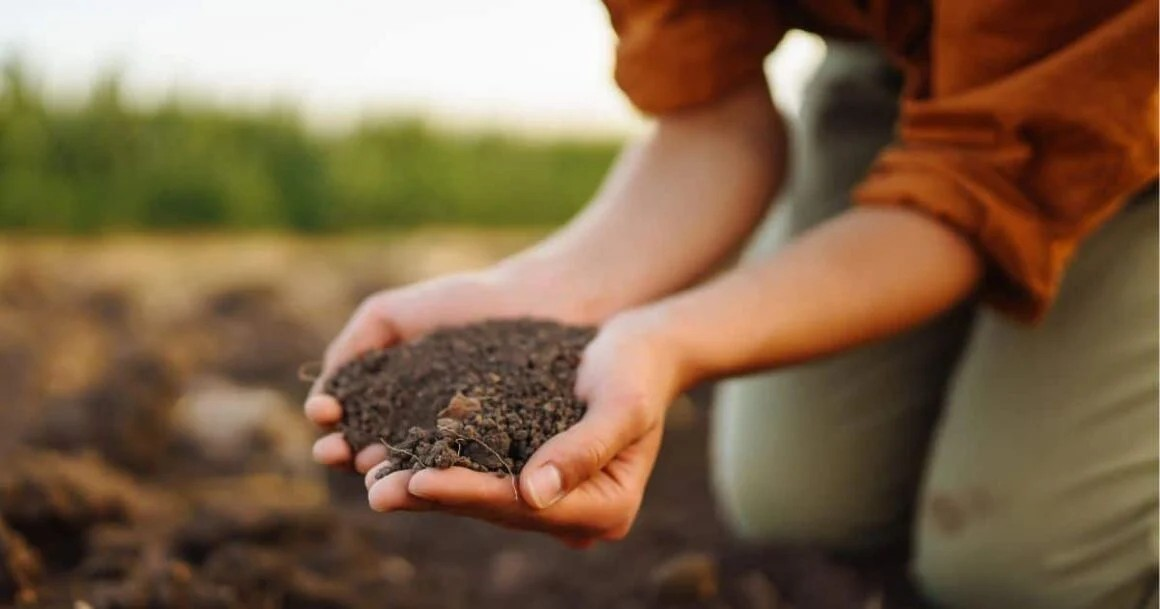
Roses love rich, well-draining soil. Before planting:
-
Test your soil pH: Roses prefer 6.0–6.5
-
Amend the soil: Mix in compost, well-rotted manure, or organic matter
-
Ensure drainage: Avoid areas where water pools
Raised beds or mounds can help roses thrive in heavier soil.
How to Plant Roses Successfully
Step 1: Dig the Hole
-
Hole should be twice as wide and deep as the root ball
-
Loosen the soil at the bottom
Step 2: Prepare the Rose
-
Bare-root: Soak roots in water for a few hours before planting
-
Container: Gently loosen roots if tightly bound
Step 3: Position the Rose
-
Place the bud union (where stems meet roots) just above soil in cold climates
-
Or slightly below in warmer climates
Step 4: Fill and Water
-
Backfill with soil and compost mixture
-
Water deeply to settle soil
-
Mulch around the base (2–3 inches)
Essential Rose Care Tips
1. Watering Roses
-
Keep soil consistently moist
-
Water at the base, not leaves, to prevent fungal diseases
-
Deep watering once or twice a week is better than shallow daily watering
2. Fertilizing Roses
Roses are heavy feeders.
-
Start feeding 4–6 weeks after planting
-
Use balanced fertilizer (10-10-10) or a rose-specific fertilizer
-
Feed every 4–6 weeks during the growing season
-
Stop fertilizing 6–8 weeks before first frost
Organic alternatives: compost, fish emulsion, seaweed extract.
3. Pruning Roses
Pruning encourages healthy growth and blooms.
-
When to prune: Late winter or early spring (before new growth)
-
Remove:
-
Dead, diseased, or damaged canes
-
Crossing or weak stems
-
-
Cut 1/4 inch above outward-facing buds
Different rose types have slightly different pruning needs:
-
Hybrid teas: Prune hard for strong blooms
-
Shrubs and floribundas: Lighter pruning to maintain shape
4. Mulching
Mulch protects roots, retains moisture, and suppresses weeds.
-
Apply 2–3 inches around the base
-
Keep mulch a few inches away from the crown to prevent rot
-
Organic mulch like shredded bark or compost works best
5. Pest and Disease Management
Common rose problems:
-
Aphids: Spray with water or neem oil
-
Black spot: Remove infected leaves and improve air circulation
-
Powdery mildew: Water early in the day, ensure good sunlight
-
Japanese beetles: Handpick or use traps
Prevent problems with proper spacing, sunlight, and consistent care.
Companion Planting With Roses
Some plants love roses and can enhance your garden:
-
Lavender: Repels pests and complements roses
-
Marigolds: Deters nematodes
-
Alliums: Natural pest deterrent
-
Catmint: Attracts pollinators
Planting companions adds beauty and helps your roses thrive naturally.
When to Harvest Roses (If You Cut Flowers)
If you want cut flowers:
-
Harvest in the morning after dew evaporates
-
Cut just above a leaf node
-
Place immediately in water
-
Recut stems before arranging
Regular cutting encourages more blooms.
Caring for Roses in Winter
Winter care depends on your climate:
-
Cold climates:
-
Mound soil or mulch around the base
-
Protect bud union with straw or burlap
-
-
Mild climates:
-
Mulch lightly
-
Remove dead foliage
-
Winter care ensures roses survive and thrive next season.
Growing Roses in Containers
You don’t need a garden to grow roses. Containers work beautifully.
-
Use a large pot (minimum 12 inches diameter)
-
Well-draining potting mix with compost
-
Water frequently—containers dry out faster
-
Fertilize regularly
Miniature roses and patio roses are perfect for pots.
Common Mistakes to Avoid With Roses
-
Planting in full shade
-
Overwatering or underwatering
-
Neglecting pruning
-
Planting too close together
-
Ignoring pest problems
Most issues are preventable with observation and simple care.
Choosing the Right Location for Roses
Roses need:
-
At least 6 hours of sunlight per day
-
Good airflow to prevent fungal diseases
-
Space to grow (avoid crowding)
-
Well-draining soil
A well-chosen site makes all the difference.
Encouragement for First-Time Rose Gardeners
Roses may seem intimidating, but they’re far less finicky than their reputation suggests. With the right timing, proper planting, and ongoing care, you can enjoy:
-
Stunning blooms from early summer to fall
-
A fragrant, colorful garden
-
The satisfaction of growing a “queen of flowers” yourself
Even if a few blooms fail or leaves develop a spot, don’t give up. Roses are forgiving once established, and each season teaches you something new.
Planting roses at the right time—and giving them proper care—sets you up for years of enjoyment. Whether you’re growing a single container rose, a small border of shrub roses, or a climbing rose along a trellis, the rewards are well worth the effort.
Remember:
-
Plant bare-root roses in late winter or early spring
-
Plant container roses in spring or early fall
-
Focus on soil preparation, sunlight, watering, and pruning
-
Protect from pests and frost as needed
Before long, you’ll have a garden filled with gorgeous, fragrant roses, and you’ll understand why gardeners have been cultivating them for centuries.
Growing roses isn’t just about flowers—it’s about patience, observation, and joy in the process. So grab your spade, pick the perfect rose, and start planting. You’ve got this.
Understanding Roses on a Deeper Level
Roses aren’t just flowers—they’re living companions in your garden. Each rose bush has its own personality, growth habits, and preferences. Understanding these traits helps you anticipate needs, prevent problems, and enjoy more abundant blooms.
Growth Habits of Roses
-
Upright Roses: Grow vertically and often require staking or support (common with hybrid teas)
-
Bushy Roses: Spread outward, filling space (typical of shrub roses)
-
Climbing Roses: Need trellises, fences, or arbors for support
-
Groundcover Roses: Low-growing, spreading varieties that work well for erosion control or low borders
Knowing your rose’s growth habit before planting ensures it has enough space and won’t crowd other plants.
Rose Hardiness Zones
Roses vary in cold tolerance. Check your USDA hardiness zone when selecting varieties:
-
Hardy roses: Can survive cold winters (some shrub and hybrid teas)
-
Tender roses: May need winter protection or container planting for indoor overwintering
Choosing the right variety for your zone makes your rose journey much smoother.
Advanced Soil Preparation Tips
Beyond basic compost and drainage, consider:
-
Testing soil nutrients: Roses need nitrogen, phosphorus, and potassium in balance
-
Adding minerals: Gypsum or bone meal can improve soil structure
-
Improving drainage: Raised beds or mounds help in clay-heavy soil
-
Soil temperature: Warmer soil encourages faster root establishment in spring planting
Healthy soil = healthy roots = bigger blooms. Think of soil as your rose’s foundation—it’s worth the extra effort.
Planting Techniques for Success
While basic planting covers most needs, advanced planting techniques can give your roses an edge.
Bare-Root Roses
-
Soak roots in water 4–6 hours before planting
-
Trim damaged roots to encourage new growth
-
Plant slightly deeper in cold climates to protect the bud union
Container Roses
-
Gently loosen root balls to encourage outward growth
-
Add a slow-release fertilizer into the soil mix
-
Water until the soil is moist, not soggy
Spacing is critical: most roses need 2–3 feet between plants for airflow and growth. Crowding encourages disease.
Mulching for Maximum Growth
Mulch does more than keep weeds down:
-
Retains soil moisture
-
Moderates soil temperature
-
Adds organic matter as it decomposes
-
Reduces soil-borne diseases
Use organic mulch like shredded bark, pine needles, or compost. Apply 2–4 inches around the base, leaving a small gap from the crown.
Fertilizing Roses Like a Pro
Roses are heavy feeders, and feeding strategies affect bloom size, frequency, and plant health.
Fertilization Tips
-
Early Spring: Apply a balanced fertilizer (10-10-10) when new shoots appear
-
After First Bloom: Side-dress with compost or organic rose food
-
Mid-Summer: Feed lightly if blooms start slowing
-
Late Summer: Stop fertilizing 6–8 weeks before the first frost to allow plants to harden off
Organic options include fish emulsion, compost tea, and seaweed extract. These encourage healthy roots, strong stems, and vibrant flowers without harsh chemicals.
Watering for Optimal Health
Proper watering prevents many common rose issues:
-
Deep watering encourages strong roots
-
Avoid overhead watering; wet foliage can lead to fungal diseases
-
Morning watering is best, allowing leaves to dry quickly
-
Mulch reduces evaporation and keeps soil consistently moist
A simple tip: check soil 2–3 inches deep—if dry, water deeply; if moist, wait.
Pruning Roses: Beyond the Basics
Pruning is more than shaping—it controls disease, encourages blooms, and strengthens your plant.
Types of Pruning
-
Thinning: Remove old, weak, or crossing stems
-
Heading back: Shorten stems to encourage branching
-
Deadheading: Remove spent flowers to encourage repeat blooms
Pruning Tips
-
Cut 1/4 inch above an outward-facing bud
-
Use sharp, clean pruners to prevent damage
-
Wear gloves—rose thorns are infamous
For climbing roses: prune lightly in the first year, then train main canes along supports.
Seasonal Care for Roses
Roses have different needs in every season. Knowing what to do ensures healthier, longer-lasting plants.
Spring
-
Remove winter mulch gradually
-
Prune dead or damaged wood
-
Fertilize and mulch
Summer
-
Water deeply and consistently
-
Deadhead spent blooms
-
Watch for pests and diseases
Fall
-
Harvest remaining blooms
-
Reduce watering
-
Mulch to protect roots from frost
Winter
-
Protect sensitive varieties with burlap or soil mounds
-
Avoid heavy pruning until spring
-
Container roses may need to move indoors
Seasonal attention ensures roses survive year-round and bloom abundantly.
Dealing With Pests and Diseases
Roses are susceptible to a few common issues, but most are preventable:
Common Pests
-
Aphids: Spray water or neem oil
-
Japanese beetles: Handpick or use traps
-
Spider mites: Rinse foliage or use insecticidal soap
Common Diseases
-
Black spot: Remove infected leaves, ensure good air circulation
-
Powdery mildew: Water early, prune for airflow, avoid overcrowding
-
Rust: Remove affected leaves, mulch to prevent spore spread
Choosing disease-resistant varieties reduces your workload dramatically.
Companion Planting With Roses
Pairing herbs and flowers with roses improves growth and protects plants naturally:
-
Lavender: Repels pests and complements roses aesthetically
-
Alliums: Keep aphids away
-
Marigolds: Deter nematodes
-
Catmint: Attracts pollinators and fills gaps
Companion planting adds color, function, and biodiversity to your garden.
Growing Roses in Containers
Not everyone has a garden bed—containers can be just as effective.
Container Tips
-
Choose large pots (at least 12 inches diameter)
-
Use well-draining potting mix with compost
-
Fertilize monthly during growing season
-
Water frequently; containers dry out faster
-
Consider dwarf or miniature varieties
Container roses are perfect for patios, balconies, or indoor sunrooms.
Harvesting Roses for Cut Flowers
If you want cut roses, timing is everything:
-
Cut early morning after dew evaporates
-
Select blooms with just-beginning petals
-
Cut stems at a 45-degree angle
-
Place immediately in water
-
Recut stems before arranging
Harvesting encourages new blooms and keeps plants productive.
Winterizing Your Roses
Winter care depends on your climate:
-
Cold regions: mulch heavily, cover with burlap, protect bud unions
-
Mild regions: mulch lightly, reduce water, remove dead foliage
Proper winter prep ensures strong growth in spring.
Propagating Roses From Cuttings
Propagating roses is rewarding and allows you to expand your garden for free:
-
Select healthy, disease-free stems
-
Cut 6–8 inches long just below a node
-
Remove lower leaves
-
Dip cut end in rooting hormone
-
Plant in moist, well-draining soil
-
Keep in indirect light until roots establish
Propagation takes patience, but it’s one of the most satisfying ways to grow roses.
Common Mistakes and How to Avoid Them
Even experienced gardeners make mistakes. Avoid these pitfalls:
-
Planting in poor drainage
-
Overcrowding roses
-
Watering inconsistently
-
Pruning at the wrong time
-
Ignoring pests and diseases
Roses thrive on consistency more than perfection. Learn from each season.
Encouragement for First-Time Rose Gardeners
Roses may seem intimidating, but they’re surprisingly forgiving once established. Plant at the right time, care for them consistently, and watch your garden flourish.
Even small rose gardens bring joy, fragrance, and color to your outdoor space. Each bloom is a reminder that patience pays off, and care makes a difference.
Lifestyle Benefits of Growing Roses
Roses aren’t just decorative—they enrich your life:
-
Provide stunning focal points in gardens
-
Encourage mindfulness and daily attention
-
Make beautiful bouquets for your home
-
Attract pollinators and improve biodiversity
-
Offer therapeutic gardening experiences
Roses aren’t just flowers; they’re a lifestyle.
Final Thoughts: Roses Reward Care and Patience
Planting roses at the right time, preparing the soil, choosing the right varieties, and caring consistently pays off with healthy plants, gorgeous blooms, and a garden that feels magical.
Remember:
-
Bare-root roses: plant late winter to early spring
-
Container roses: plant spring or early fall
-
Focus on soil, sunlight, water, and pruning
-
Mulch and protect from frost or heat as needed
With patience, attention, and a little love, roses will reward you with years of beauty, fragrance, and joy. Whether you grow a single bush or a full rose garden, the effort is always worth it.