The Best Eye Primer For Mature Skin Over 40
If you’ve reached your 40s and beyond, you may have noticed that your eye makeup doesn’t behave the way it used to. Eyeliner smudges. Eyeshadow creases. Colors fade before midday. Sometimes, makeup seems to disappear altogether.
The culprit isn’t always your technique or your products — it’s often the surface underneath: your eyelids. As skin ages, it undergoes changes that make makeup behave differently than in your 20s or 30s. An eye primer can make all the difference, but not all primers are created equal. Some are too drying, some are too thick, and some simply don’t address the unique needs of mature skin over 40.
This guide will walk you through everything you need to know:
-
Why eye primers matter for mature skin
-
How eyelid skin changes with age
-
What to look for (and avoid) in an eye primer
-
How to apply eye primer for the best results
-
Top recommended eye primers for mature skin
-
How to pair eye primers with other products
By the end, you’ll understand how to choose an eye primer that helps your makeup stay put, smooths out texture, and enhances your eye look — without settling into fine lines or feeling heavy.
Let’s start at the beginning.
Why Eyelid Skin Changes After 40
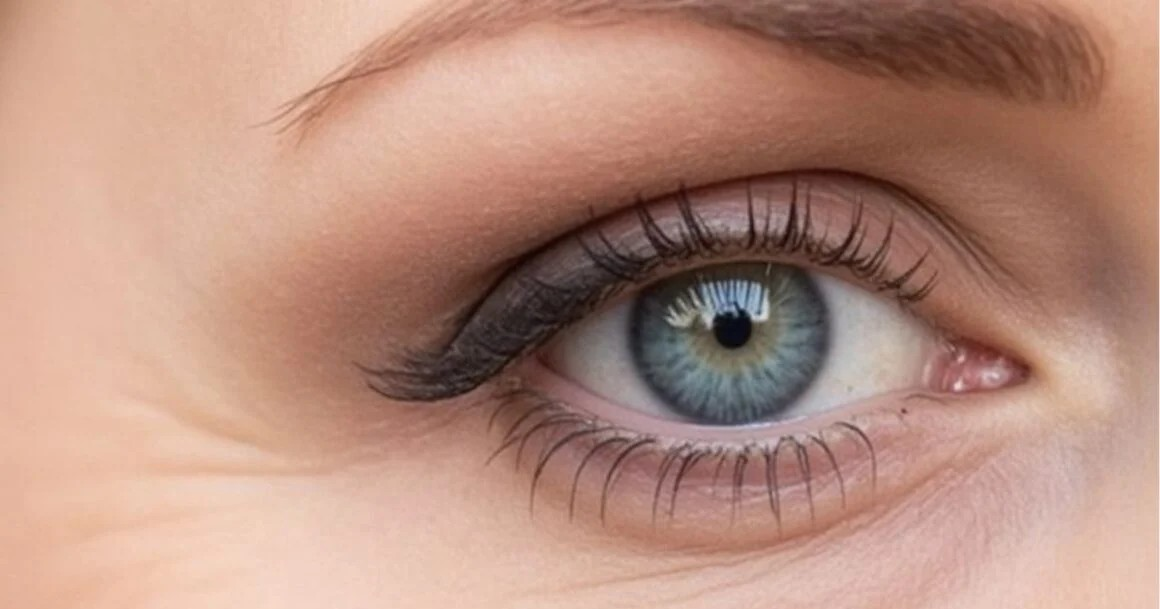
Unlike the rest of your face, the skin on your eyelids is incredibly thin — one of the thinnest areas on your body. It’s delicate, more prone to dryness, and often shows signs of aging earlier than other areas.
Here are some age-related changes that affect makeup performance:
Thinning Skin
Over time, the skin loses collagen and elasticity, which can lead to crepey texture, fine lines, and folds.
Decreased Oil Production
Less natural oil means dryness. Dry eyelids often cause powder eyeshadows to look patchy or uneven and increase the likelihood of creasing.
Texture Shifts
Sun exposure, rubbing, and aging can all contribute to uneven texture, making it harder for eyeshadow to cling smoothly.
Creases and Natural Folds
As skin relaxes with age, natural folds can deepen, creating lines where eyeshadow and liner easily settle.
These changes mean that mature eyelids often need a formula designed to smooth, hydrate, and support makeup without tugging or clinging to fine lines.
What an Eye Primer Does
An eye primer serves as a base between your skin and eye makeup, and it has several core functions:
1. Smooths Texture
Primers fill in tiny lines and uneven areas, creating a smooth surface for eyeshadow and eyeliner.
2. Improves Adherence
By creating a slightly tacky surface, primers help your products stick and stay in place longer.
3. Prevents Creasing
Without primer, eyeshadow and cream products can settle into eyelid creases quickly — especially on mature skin. A good primer minimizes that.
4. Enhances Pigment
Primers can make eyeshadow colors appear more vibrant and true to their pan shade.
5. Balances Oil and Hydration
Some primers control oil, while others hydrate dry skin, depending on their formula.
But not every primer is suited for mature skin. The right one will feel comfortable, not dry out the lids, and will enhance — not emphasize — texture.
How to Choose an Eye Primer for Mature Skin
Here are the key features mature skin benefits from:
Hydrating Ingredients
Look for primers with glycerin, hyaluronic acid, plant oils, or other humectants that provide moisture without heaviness.
Lightweight Formula
Heavy or thick primers can crease or drag, especially on delicate eyelids. Lightweight yet effective is the goal.
Flexible Texture
Primers that stay somewhat tacky (not sticky) help eyeshadow cling without cracking.
Color-Correcting or Neutral Base
A neutral or slightly peach-toned base can help evening out discoloration without adding detectable color.
Non-Cakey Finish
Avoid primers that dry down to heavy matte. They can emphasize lines on mature skin.
Non-Comedogenic and Hypoallergenic
Since eyelid skin is delicate, formulas designed for sensitive eyes are a big plus.
What to Avoid
Even if a primer is high quality, some ingredients or characteristics don’t pair well with mature eyelids:
-
Thick, heavy waxes
-
Overly drying alcohol-based formulas
-
Chunky shimmer (this can settle into lines and look unnatural)
-
Strong fragrances
-
Harsh silicones that cause product to slide off
The idea is to support skin, not fight it.
How to Apply Eye Primer the Right Way
Application technique makes a huge difference in how eye primer performs:
Step 1: Start With Hydrated Skin
Apply your regular eye cream or moisturizer first. Let it absorb before adding primer — don’t layer primer over damp skin.
Step 2: Use a Small Amount
A tiny dab is enough. Too much primer can make eyeshadow slide or cake up.
Step 3: Dab, Don’t Rub
Use your fingertip to gently pat primer onto the eyelid. Rubbing can irritate or tug delicate skin.
Step 4: Focus on the Lid, Not the Brow Bone
Primers are most effective where makeup will be applied. Avoid heavy application toward the brow unless you need color correction.
Step 5: Give it a Moment to Set
Wait 30 seconds before applying eyeshadow. This allows the primer to form its optimal base.
Step 6: Apply Eyeshadow From Light to Dark
Start with lighter shades and then build depth — a smoother surface means blending is easier and more seamless.
Common Problems Eye Primer Solves for Mature Skin
Creasing
Without primer, eyeshadow tends to settle into lid folds throughout the day. A good primer drastically reduces this.
Fading
Some eyeshadows lose vibrancy as the day goes on. Primer holds color in place.
Patchiness
If eyeshadow looks uneven or spotty, primer helps even out the surface.
Dryness
Dry eyelid skin can leave cream and powder products looking flaky or dull. Hydrating primers help with smooth application.
Top Eye Primers Recommended for Mature Skin Over 40
Here’s a curated list of excellent options that work particularly well for mature eyelids:
1. Urban Decay Eyeshadow Primer Potion
Why it works:
A cult classic for good reason. It creates a smooth, long-lasting base that prevents creasing and helps eyeshadow stay vibrant all day. The original formula is slightly creamy and feels comfortable, not drying.
Best for: Women who want reliable wear and vibrant eyeshadow payoff.
How to use:
Pat a small amount on the entire lid and blend out with your fingertip.
2. Too Faced Shadow Insurance Primer
Why it works:
This primer is lightweight with a neutral base that helps even out mild discoloration on eyelids — perfect if you want a smooth canvas without extra pigment.
Best for: Those who want a neutral, subtle base that enhances eyeshadow vibrancy.
How to use:
Use sparingly and blend gently before applying eyeshadow.
3. Smashbox 24 Hour Photo Finish Shadow Primer
Why it works:
Designed to hold up through heat, humidity, and long days without creasing. Its gel-like texture is ideal for mature skin because it feels light and flexible, not heavy or dry.
Best for: Long-wear performance without dryness.
How to use:
Blend a tiny amount over the lid and let it set before eyeshadow.
4. NARS Pro-Prime Smudge Proof Eyeshadow Base
Why it works:
This primer is great for minimizing creasing and enhancing color payoff. The texture is smooth and creamy, which is forgiving on mature lids.
Best for: Boosting pigment without emphasizing lines.
How to use:
Pat a thin layer over the eyelids; blend with a fingertip.
5. e.l.f. Shadow Lock Eyelid Primer
Why it works:
An excellent budget-friendly option that still delivers smoothness and crease resistance. It’s lightweight and works well under both cream and powder shadows.
Best for: Affordable everyday use.
How to use:
Dot and blend a small amount across the eyelid.
6. Tarte Clean Slate Poreless 12-Hour Perfecting Primer
Why it works:
Although marketed as a face primer, this product works beautifully on eyelids because it diffuses texture and creates a soft base. Its gel texture feels hydrating rather than drying.
Best for: Those who want a product that doubles for face and eyes.
How to use:
Gently dab a small amount on lids before shadow.
7. Laura Mercier Eye Basics Neutral Eye Base
Why it works:
This primer creates a neutral canvas while improving blending and color payoff. Its creamy texture is gentle on delicate skin and won’t cake.
Best for: Enhancing natural skin tone while prepping for makeup.
How to use:
Blend a small amount with fingertips before eyeshadow.
Choosing the Right Primer Based on Your Needs
Not all mature skin is the same. Here’s how to narrow down your choice:
If Your Lids Are Dry
Prioritize hydrating, creamy primers (rather than matte ones), and incorporate a nourishing eye cream before primer.
If You Want Maximum Color Payoff
Choose primers with smooth, neutral bases — they help pigments look more vibrant without altering true shade.
If You Struggle With Creasing All Day
More resilient formulas with long-wear claims are ideal. Gel-based primers that set slightly after application are often best.
If You Wear Cream Shadows Often
Look for primers that support both cream and powder formulas — you want flexibility without slip or separation.
Seasonal Considerations for Eye Primer Use
Your routine might change a little depending on the season:
Winter
Cold air and indoor heating can dry out skin. Use a hydrating eye cream before primer.
Summer
Humidity and heat make creasing more likely. Opt for a primer with strong crease-proof claims and lightweight texture.
Transitional Seasons
Spring and fall can lead to occasional dryness or oiliness. Lightweight primers that balance texture work best.
How to Combine Eye Primer With Other Makeup Steps
Here’s a simple, step-by-step eye makeup routine that integrates primer for the best results:
-
Start with Skincare: Apply eye cream and let it absorb.
-
Apply Eye Primer: Use a small amount; gently dab across the entire lid.
-
Wait a Moment: Give the primer 30 seconds to set.
-
Begin Eyeshadow: Apply light shades first, then build depth.
-
Add Eyeliner: Apply last so it adheres to base shadow, not bare skin.
-
Finish With Mascara: Curl lashes and apply mascara as usual.
If you feel your foundation or base makeup has shifted the primer, touch up gently before applying shadow.
Mistakes to Avoid With Eye Primer
Even with a great primer, some common missteps can reduce effectiveness:
Applying Too Much
A thick layer can create sliding or creasing. Less is more.
Skipping Hydration
Dry eyelids make primer cling to lines. Always moisturize beforehand.
Rubbing Instead of Dabbing
Rubbing can irritate delicate skin and tug lines where you least want them.
Using the Wrong Lighting
Apply makeup in neutral or natural lighting to avoid over- or under-applying.
Forgetting to Blend
Primer should be smooth; watch for edges that haven’t blended.
Eye makeup should enhance your features, not fight them. For mature skin over 40, primers play a crucial role in smoothing texture, preventing creasing, and helping shadows and liners wear better throughout the day. The right primer feels comfortable, works with your skincare, and lets your makeup performance catch up with your intention.
You don’t need heavy, chalky finishes or complex routines. You need smart products that understand your skin — hydrating where it’s dry, smoothing where it’s textured, and creating a base that makes makeup look natural rather than mask-like.
In choosing an eye primer, remember it’s not about “fixing” aging skin. It’s about embracing makeup in a way that feels supportive and enhances what’s already beautiful.
With a little knowledge and the right primer, eye makeup becomes effortless, flattering, and long-lasting — exactly what you want in your 40s, 50s, and well beyond.
Advanced Eye Primer Application Tips for Mature Skin
For women over 40, eyelid skin can be delicate, textured, or prone to dryness. How you apply your eye primer can make a huge difference in both comfort and the longevity of your eye makeup. Here are some advanced techniques that can elevate your routine:
1. Prime in Sections
Rather than applying primer to the entire lid at once, consider sectional priming:
-
Inner Lid: This area tends to be thinner and sometimes more prone to creasing. Use a lighter layer here.
-
Center Lid: Apply a slightly thicker layer if you plan to wear bold colors; this creates a smooth base for pigment.
-
Outer Lid/Crease: Use the tiniest amount, gently blended, so your primer doesn’t settle into deeper lines.
By tailoring the amount of primer to the area of the lid, you avoid unnecessary heaviness while still ensuring smooth color application.
2. Use a Lightweight Concealer First (Optional)
Some mature women find that discoloration or dark circles around the eyes can make eyeshadow look uneven. A thin layer of lightweight, hydrating concealer under the primer can:
-
Neutralize uneven pigmentation
-
Give primer a slightly smoother canvas
-
Help eyeshadow appear more vibrant
Apply concealer sparingly and allow it to set for 30 seconds before applying primer.
3. Tap, Don’t Drag
When applying primer, use gentle tapping or pressing motions rather than swiping. Swiping can:
-
Tug delicate skin
-
Exacerbate fine lines
-
Lead to uneven coverage
A fingertip works perfectly for tapping primer onto the lid. Some women prefer small, dense synthetic brushes, which can also distribute product evenly without tugging.
4. Wait Before Applying Eyeshadow
One of the most overlooked steps is simply waiting for your primer to set. Give it 20–30 seconds to absorb and form a slightly tacky surface. This ensures:
-
Long-lasting adherence of eyeshadow
-
Smooth blending
-
Minimized creasing
If you skip this step, eyeshadow can appear patchy or slip throughout the day.
5. Build Shadows Gradually
Even with a primer, applying heavy eyeshadow all at once can exaggerate texture. Instead:
-
Start with a light wash of color
-
Layer deeper shades gradually
-
Blend lightly after each step
Primers create a smooth base that allows layering without tugging or lifting the underlying product.
Troubleshooting Common Issues With Mature Lids
Even with primer, certain issues can still arise. Here’s how to handle them:
Creasing
Solution: Use a thin, hydrating primer and avoid layering too much powder on top. Gel-based primers or ones labeled “crease-proof” are particularly effective.
Fading Eyeshadow
Solution: A primer with tackiness helps pigment stick. Cream eyeshadows layered over a primer also last longer.
Patchiness
Solution: Smoothly blend primer and wait for it to set. Avoid dragging shadow across unprimed areas.
Excessive Oil
Solution: Mature lids can be either dry or slightly oily. For oilier lids, use a light, oil-absorbing primer, or lightly blot the lid before applying primer.
Pairing Eye Primer With Other Eye Products
Eye primer is the foundation of your eyelid makeup, but how you use it with other products matters:
Cream Shadows
Cream shadows glide better over primer and prevent fading. Lightly blend a small amount and tap in layers rather than sweeping.
Powder Shadows
Primers help powder shadows adhere and appear more vibrant. Use a soft brush for blending to avoid lifting primer.
Eyeliner
Primed lids make liner application smoother and prevent smudging. Gel liners often benefit most from a primed base.
Mascara and Lashes
Priming the lid doesn’t directly affect lashes, but properly primed shadows ensure mascara contrasts beautifully, keeping eyes bright and defined.
Seasonal Adjustments for Mature Lids
Mature eyelids react differently depending on the season, so adjusting your primer routine is key:
Winter: Combat Dryness
-
Skin tends to be drier
-
Use hydrating primers or layer with an eye cream
-
Avoid matte primers that can emphasize fine lines
Summer: Combat Oil and Humidity
-
Heat and humidity can increase creasing
-
Lightweight, long-wear primers prevent shadows from slipping
-
Consider primers labeled “smudge-proof” or “long-wear”
Transitional Seasons: Flexibility is Key
-
Spring and fall may combine mild dryness with occasional oiliness
-
A balanced primer with moderate hydration and flexibility works best
Top Eye Primers for Mature Skin (Expanded List)
Here’s an updated, detailed list of excellent options, including specific benefits for mature eyes:
1. Urban Decay Eyeshadow Primer Potion
-
Smooths texture and prevents creasing
-
Lightweight and creamy
-
Brightens eyelid tone
2. Too Faced Shadow Insurance Primer
-
Neutralizes mild discoloration
-
Enhances color payoff
-
Lightweight and comfortable for mature lids
3. Smashbox 24 Hour Photo Finish Shadow Primer
-
Gel-like formula, ideal for all-day wear
-
Lightweight, flexible, and crease-resistant
-
Works with both powder and cream shadows
4. NARS Pro-Prime Smudge Proof Eyeshadow Base
-
Minimizes creasing and enhances pigment
-
Smooth, creamy texture for mature lids
-
Perfect for long-wear looks
5. e.l.f. Shadow Lock Eyelid Primer
-
Budget-friendly but effective
-
Lightweight with good grip for eyeshadow
-
Works well with multiple textures
6. Tarte Clean Slate Poreless 12-Hour Perfecting Primer
-
Can double as a face primer
-
Smooths texture without dryness
-
Light, gel formula ideal for delicate eyelids
7. Laura Mercier Eye Basics Neutral Eye Base
-
Neutralizes tone while enhancing color
-
Creamy, non-cakey texture
-
Perfect for natural, everyday looks
Expert Tips From Makeup Artists
-
Always moisturize first: Even lightweight primers benefit from hydrated lids.
-
Use minimal product: Small amounts prevent caking and enhance longevity.
-
Blend with fingertips: Natural warmth ensures smooth application.
-
Layer carefully: Gradually build shadow over primer, rather than packing it all at once.
-
Refresh lightly if needed: Use a tiny dab or blending sponge mid-day if your shadow shifts.
The Role of Eye Cream in Eye Primer Success
Eye primer works best when paired with a hydrating eye cream. Eye creams:
-
Plump and soften fine lines
-
Reduce dryness and crepey texture
-
Provide a smoother canvas for primer
Apply your eye cream 1–2 minutes before primer. Let it absorb fully — this prevents the primer from slipping or mixing with excess oils.
Common Mistakes Mature Women Make With Eye Primer
-
Over-applying: Too much primer leads to sliding or cakey shadows.
-
Skipping moisturizer: Dry lids make primer cling to lines.
-
Rubbing primer: This pulls delicate skin. Pat gently instead.
-
Using heavy matte primers: They emphasize texture.
-
Applying primer too close to lashes: Can cause liner smudging or flaking.
Combining Eye Primer With Eyeshadow Techniques
Mature eyelids benefit from specific shadow techniques over primer:
-
Use light shades on the lid to brighten the eye.
-
Matte shadows in the crease help define without emphasizing creases.
-
Layer darker shades gradually on the outer corner for depth.
-
Blend upwards lightly to lift the eye visually.
A properly primed lid makes all of these steps easier and ensures that eyeshadow doesn’t fade, crease, or settle unevenly.
Long-Term Benefits of Using Eye Primer
Consistently using a quality eye primer can:
-
Make your eyeshadow last longer, reducing midday touch-ups
-
Smooth the appearance of fine lines and texture over time
-
Enhance the vibrancy of your shadows, reducing the need for heavy application
-
Prevent irritation caused by repeated layering of dry or heavy shadows
In short, primer doesn’t just improve daily makeup — it preserves the look and feel of your eye area in the long term.
Final Thoughts
For women over 40, eye primer isn’t a luxury it’s a necessity. Mature skin has unique challenges: texture, dryness, creases, and fading. A good primer addresses all of these issues:
-
Smooths eyelid surface
-
Prevents creasing and fading
-
Enhances color
-
Works comfortably with delicate skin
Choosing the right primer and applying it correctly will make your eye makeup routine easier, more effective, and more flattering. It’s not about covering age — it’s about supporting your natural beauty, enhancing your features, and ensuring that your eyeshadow and liner perform flawlessly all day.
Mature skin deserves products that respect its needs. With the right eye primer, you can achieve professional-looking, long-lasting eye makeup that complements your age, lifestyle, and skin health.