Best Water And Watering Tips For Houseplants
If you’ve ever stood over your houseplants with a watering can wondering, “Am I helping you… or slowly killing you?” you’re not alone. Watering sounds simple, but it’s hands down the number one reason houseplants struggle.
Too much water, too little water, the wrong water, the wrong timing it can all get confusing fast. The good news? Once you understand a few basics, watering your plants becomes second nature. And your plants will tell you they’re happy through lush leaves, steady growth, and fewer mysterious meltdowns.
Let’s talk about the best water for houseplants and smart watering tips that actually work, without turning plant care into a science experiment.
Why Watering Matters More Than You Think
Water does more than quench your plant’s thirst. It:
-
Delivers nutrients from the soil to the roots
-
Supports photosynthesis
-
Keeps leaves firm and healthy
-
Regulates plant temperature
When watering goes wrong, everything else follows. Roots can rot, leaves can yellow, growth can stall, and pests can move in.
In short: watering is the foundation of good plant care.
What Is the Best Water for Houseplants?
Let’s start with the water itself, because not all water is created equal.
1. Tap Water: Usually Fine, But Not Always
For most houseplants, tap water works just fine. But it can contain:
-
Chlorine
-
Fluoride
-
Mineral salts
These chemicals build up in soil over time and may cause:
-
Brown leaf tips
-
White crust on soil
-
Slower growth
Tip: If your tap water is heavily treated, let it sit out in an open container for 12–24 hours before using it. This allows chlorine to dissipate.
2. Filtered Water: A Gentle Upgrade
Filtered water removes many harsh chemicals and minerals. If you already use a water filter at home, your plants will appreciate it too.
Filtered water is especially helpful for:
-
Calatheas
-
Prayer plants
-
Dracaenas
-
Spider plants
These plants are known for being extra sensitive.
3. Distilled Water: Best for Sensitive Plants
Distilled water contains no minerals at all. While not necessary for every plant, it’s ideal for:
-
Orchids
-
Carnivorous plants
-
Calatheas
-
Peace lilies
Just remember distilled water lacks minerals, so regular fertilizing becomes more important.
4. Rainwater: Nature’s Favorite
If you can collect rainwater, your plants will absolutely love it.
Rainwater is:
-
Free of chemicals
-
Slightly acidic
-
Rich in natural nutrients
It’s especially great for tropical plants and foliage lovers.
5. Avoid Softened Water
Water from water softeners contains sodium, which can damage plant roots over time. If your home uses a water softener, choose filtered, distilled, or rainwater instead.
How Often Should You Water Houseplants?
This is the million dollar question and the answer is not “once a week.”
There Is No Universal Watering Schedule
Watering depends on:
-
Plant type
-
Pot size
-
Soil mix
-
Light levels
-
Temperature
-
Season
Instead of watering on a schedule, water based on need.
The Finger Test (Simple and Effective)
Stick your finger 1–2 inches into the soil:
-
Dry? Time to water
-
Moist? Wait a few more days
This method works for most houseplants and prevents overwatering.
Signs Your Plant Needs Water
Plants are surprisingly good communicators. Watch for:
-
Drooping or wilting leaves
-
Dry, crispy leaf edges
-
Soil pulling away from the pot edges
-
Lightweight pots
Signs You’re Watering Too Much
Overwatering is far more common than underwatering. Look for:
-
Yellow leaves
-
Mushy stems
-
Fungus gnats
-
Musty-smelling soil
When in doubt, wait another day.
Top Watering vs Bottom Watering
Both methods have their place. Knowing when to use each one makes a big difference.
Top Watering (Most Common)
This is your standard pour-from-the-top method.
Best for:
-
Most houseplants
-
Large plants
-
Plants with well-draining soil
Tips for top watering:
-
Water slowly
-
Stop when water drains from the bottom
-
Empty saucers after 10–15 minutes
Bottom Watering (Underrated but Powerful)
Bottom watering allows roots to soak up water from below.
Best for:
-
Plants prone to fungus gnats
-
African violets
-
Peace lilies
-
Plants with compacted soil
How to bottom water:
-
Place the pot in a tray of water
-
Let it soak for 15–30 minutes
-
Remove and allow excess water to drain
This method promotes strong root growth and prevents soggy topsoil.
The Importance of Drainage
If your pot doesn’t have drainage holes, watering becomes risky.
Why Drainage Matters
Without drainage:
-
Roots sit in water
-
Oxygen can’t reach roots
-
Root rot develops quickly
If you love decorative pots without holes, use them as cache pots place a nursery pot inside and remove it for watering.
How Much Water Is Enough?
More water isn’t better. Proper watering means thorough but infrequent.
The Right Way to Water
-
Water until it flows out the drainage holes
-
Ensure all roots are reached
-
Avoid small sips that only wet the surface
Deep watering encourages roots to grow downward, creating stronger plants.
Seasonal Watering Tips
Plants don’t drink the same way year-round.
Spring & Summer
-
Plants grow actively
-
Water more frequently
-
Soil dries faster
Check moisture every few days.
Fall & Winter
-
Growth slows
-
Less light means less water needed
-
Soil stays wet longer
Reduce watering and always check soil first.
Watering Different Types of Houseplants
Tropical Plants
Examples: Monstera, pothos, philodendron
-
Like consistently moist soil
-
Never soggy
-
Let top inch dry before watering
Succulents & Cacti
-
Prefer dry soil
-
Water only when soil is completely dry
-
Overwatering is deadly
Flowering Plants
Examples: Peace lily, anthurium
-
Need regular moisture
-
Droop dramatically when thirsty
-
Bounce back quickly after watering
Foliage Plants
-
Moderate watering
-
Focus on drainage and airflow
Common Watering Mistakes to Avoid
Even experienced plant parents slip up.
-
Watering on a schedule
-
Ignoring drainage
-
Using ice cubes (yes, this is a thing)
-
Watering late at night in cold rooms
-
Letting plants sit in standing water
Your plants want consistency, not extremes.
Tools That Make Watering Easier
A few tools can make plant care smoother:
-
Watering can with narrow spout
-
Moisture meter (helpful, not foolproof)
-
Self-watering pots
-
Saucers and trays
These tools don’t replace observation but they help.
How I Finally Got Watering Right
I used to overwater everything because I thought I was being helpful. Yellow leaves, fungus gnats, and root rot followed.
What changed?
-
I stopped watering on a schedule
-
I checked soil every time
-
I downsized pots
-
I improved drainage
Now my plants grow steadily and I stress less.
Watering houseplants doesn’t have to be complicated. Once you understand your plants’ needs and trust your instincts, it becomes second nature.
Remember:
-
Less water is often better
-
Drainage is non-negotiable
-
Soil moisture matters more than the calendar
-
Your plants will tell you what they need
With the right water and thoughtful watering habits, your houseplants won’t just survive they’ll thrive.
Advanced Watering Strategies for Thriving Houseplants
Once you’ve mastered the basics of watering, the next step is learning how to fine tune your approach. These small adjustments can make a huge difference in how your plants look, grow, and recover from stress.
How Pot Size Affects Watering (More Than You Realize)
Pot size directly impacts how long soil stays wet.
-
Small pots dry out faster, especially terracotta
-
Large pots hold moisture longer, increasing overwatering risk
A common mistake is placing a small plant into a large pot. Excess soil holds water far longer than the roots can use, creating the perfect conditions for root rot.
Rule of thumb:
Choose a pot that’s 1–2 inches wider than the root ball no more.
Soil Type and Watering Go Hand in Hand
Watering doesn’t exist in isolation. Your soil mix plays a major role.
Fast-Draining Soil Mixes
Best for:
-
Succulents
-
Cacti
-
Snake plants
-
ZZ plants
These mixes allow excess water to escape quickly and prevent soggy roots.
Moisture-Retentive Soil Mixes
Best for:
-
Ferns
-
Calatheas
-
Peace lilies
They hold water longer but still need good drainage.
If your soil stays wet for days, consider amending it with:
-
Perlite
-
Orchid bark
-
Pumice
Better airflow = healthier roots.
The Role of Humidity in Watering
Humidity and watering are closely connected.
-
High humidity = less frequent watering
-
Low humidity = soil dries faster
In dry homes, especially during winter, plants may look thirsty even when soil is moist. In those cases, increasing humidity can help more than adding water.
Ways to boost humidity:
-
Use a humidifier
-
Group plants together
-
Place plants near (but not on) pebble trays
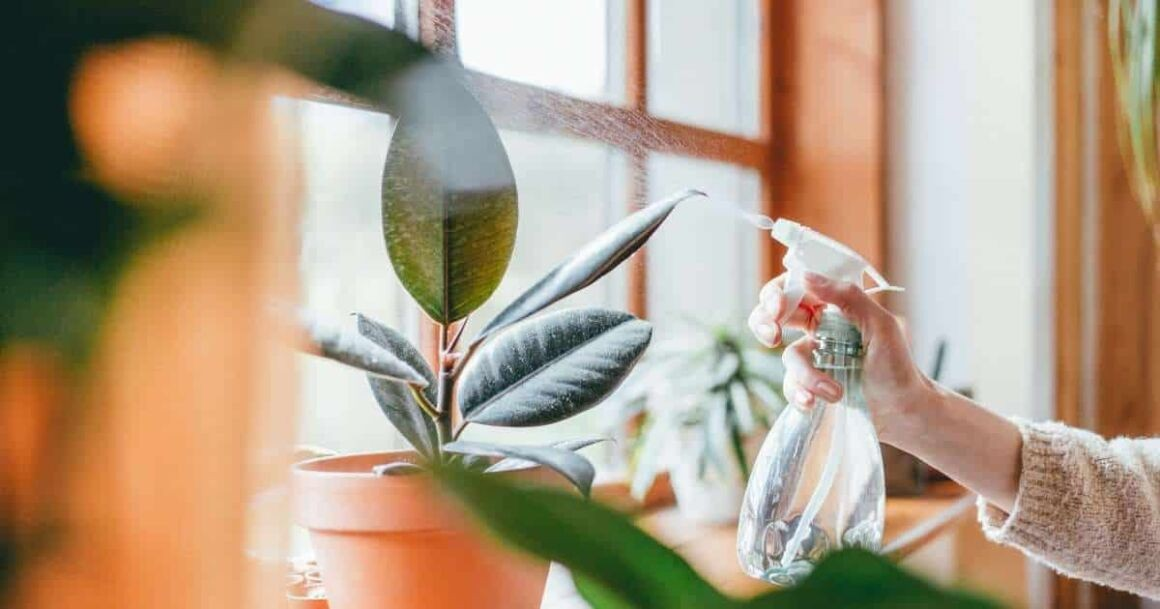
Should You Mist Plants Instead of Watering?
Short answer: No.
Misting:
-
Does NOT replace watering
-
Offers temporary humidity at best
-
Can encourage fungal issues if overdone
If a plant needs water, misting won’t help. Always water the soil when hydration is needed.
Watering Newly Repotted Plants
Repotting changes how plants absorb water.
After repotting:
-
Water thoroughly once
-
Allow excess water to drain
-
Avoid fertilizing for 4–6 weeks
Roots need time to adjust. Overwatering right after repotting is a common mistake.
How Light Levels Affect Watering Needs
Light and water are deeply connected.
-
Bright light = faster drying soil
-
Low light = slower drying soil
Plants in low light often need much less water than expected. Overwatering low-light plants is incredibly common.
If you move a plant to a darker area, adjust watering accordingly.
Signs of Chronic Overwatering (Not Just Once)
Occasional overwatering happens. Chronic overwatering shows consistent patterns:
-
Repeated yellow leaves
-
Blackened roots
-
Fungus gnats that never go away
-
Mushy stems
If this sounds familiar:
-
Reduce watering frequency
-
Improve drainage
-
Consider repotting with fresh soil
What to Do If You Overwater a Plant
It happens. Don’t panic.
Immediate steps:
-
Stop watering
-
Check soil moisture
-
Move plant to brighter indirect light
-
Improve airflow
If soil is soaked:
-
Remove plant from pot
-
Gently dry the root ball
-
Repot into fresh, dry soil if needed
Many plants recover surprisingly well when given a chance.
Watering Houseplants While Traveling
You don’t need a neighbor or fancy gadgets.
Before You Leave:
-
Water thoroughly
-
Move plants away from direct sun
-
Group plants together to retain humidity
Simple DIY Options:
-
Self-watering stakes
-
Capillary wicks
-
Water-filled bottles with slow release
Most houseplants tolerate slight dryness better than excess moisture.
Water Quality Build-Up and Soil Flushing
Over time, salts and minerals build up in soil.
Signs of salt buildup:
-
White crust on soil surface
-
Brown leaf tips
-
Stalled growth
How to Flush Soil:
-
Place plant in sink or tub
-
Run water through soil for several minutes
-
Allow to drain completely
Do this every 2–3 months, especially if using tap water.
Special Watering Tips for Popular Houseplants
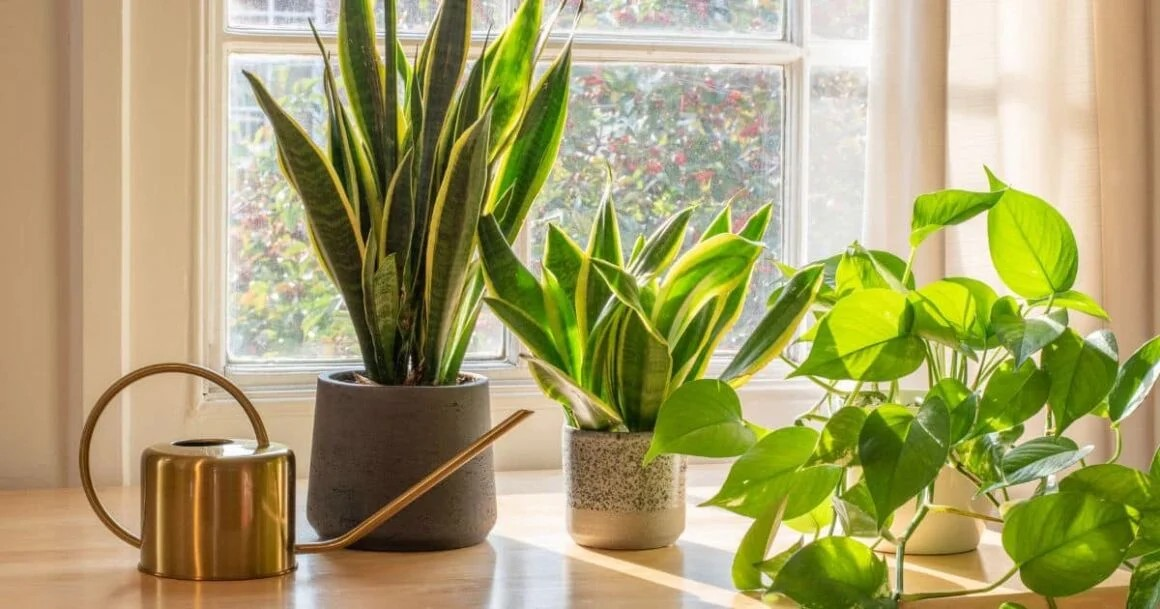
Snake Plants
-
Let soil dry completely
-
Water sparingly
-
Overwatering is the fastest way to kill them
Pothos
-
Forgiving but prefers evenly moist soil
-
Droops when thirsty
-
Bounces back quickly
Peace Lilies
-
Dramatic droopers
-
Prefer consistently moist soil
-
Great indicator plants
Fiddle Leaf Figs
-
Deep but infrequent watering
-
Sensitive to cold water
-
Like consistency
How to Build a Personal Watering Routine
Instead of schedules, create habits.
-
Check soil every time you water
-
Water in the morning when possible
-
Adjust with seasons
-
Keep notes if needed
Over time, you’ll recognize patterns without thinking.
Why Less Water Often Means Healthier Plants
Many houseplants originate from environments with:
-
Dry periods
-
Excellent drainage
-
Airflow around roots
Constant moisture isn’t natural for most plants. Allowing soil to dry slightly between watering:
-
Strengthens roots
-
Prevents rot
-
Encourages balanced growth
Final Thoughts: Confidence Comes With Observation
Watering houseplants isn’t about perfection it’s about paying attention.
Your plants don’t need:
-
Daily watering
-
Fancy water
-
Complicated schedules
They need:
-
Proper drainage
-
Thoughtful watering
-
Time to adjust
Once you trust yourself and observe your plants closely, watering becomes intuitive instead of stressful. And when your plants thrive? That confidence spreads to every part of your plant care journey.

I agree that most plants need just tap water to grow, if they are indoor plants.
My husband has a green thumb and he told me that reverse osmosis or distilled water is best. So that part I knew lol
Lovely info
Ive never thought to collect rain water for my indoor plants! What a great idea
Game changer, not watering on a schedule! My plants seem to do better when not watered.
Make sure that only one person in the household waters the plants
Like to use rainwater for the houseplants.
Thanks! I tend to overwater plants, eek!!
Very informative! I always overwater my plants!
Thank you!
Thank you for sharing this
IT’S A STRUGGLE
I am not always intuitive with my watring since sometimes the leaves on my houseplants turrn brown.