How To Get Rid Of Fungus Gnats In Houseplants
If you’re a houseplant lover, you know the joy of seeing lush green leaves and thriving stems but sometimes, tiny pests can threaten that happiness. Fungus gnats are one of the most common indoor plant pests. They’re small, dark flies that hover around your plant’s soil or the plant itself. While they’re not usually harmful to humans, they can damage plant roots, stunt growth, and make caring for your indoor jungle a lot less fun.
The good news? With a little know-how, patience, and some practical strategies, you can get rid of fungus gnats for good. In this guide, we’ll cover:
-
How to identify fungus gnats
-
Why they appear in indoor plants
-
Preventive strategies
-
Natural and chemical treatment options
-
Step-by-step eradication techniques
-
Ongoing maintenance tips to keep your plants gnats-free
By the end, you’ll know exactly how to save your plants and enjoy a pest-free indoor garden.
What Are Fungus Gnats?
Fungus gnats are tiny, dark, mosquito-like flies that are attracted to damp soil and decaying organic matter. Adult gnats are weak fliers and are usually seen hovering near the soil surface. While adult fungus gnats themselves don’t directly damage plants, their larvae can feed on roots and organic material in the soil, which may stunt growth, yellow leaves, and make seedlings more vulnerable to disease.
Identifying Fungus Gnats
-
Tiny, black or dark gray flies, about 1/8 inch long
-
Long legs and antennae
-
Hovering around soil or leaves
-
Adults often appear in groups, especially near moist soil
If you notice tiny flies circling your indoor plants, especially in the warmer months, you may be dealing with fungus gnats.
Why Fungus Gnats Appear
Fungus gnats are attracted to environments that meet three main conditions:
-
Moist Soil – Overwatering is the most common cause. Gnats lay eggs in damp soil, so wet pots are their ideal nursery.
-
Organic Matter – Rotting leaves, dead roots, or decaying potting mix attract gnats.
-
Indoor Climate – Warm, humid environments (common in homes) encourage gnat reproduction.
Understanding why they appear helps prevent future infestations. The key is to eliminate breeding grounds and make your plants less appealing to these pests.
Step 1: Inspect and Identify the Source
Before treating your plants, it’s important to identify where the fungus gnats are coming from.
-
Check Soil Moisture – Overwatered pots are the most common source.
-
Look for Larvae – Fungus gnat larvae are tiny, white, and worm-like. You may see them when repotting or disturbing soil.
-
Inspect Nearby Plants – If one plant has gnats, neighboring pots may also be affected.
Pro Tip: If you see swarming adults, the infestation has been ongoing. Acting quickly can prevent serious root damage.
Step 2: Dry Out the Soil
Since fungus gnats thrive in moist soil, the first step in controlling them is to let your soil dry out:
-
Allow the top 1–2 inches of soil to dry between waterings.
-
Avoid watering on a strict schedule let your plant’s needs dictate watering.
-
Use pots with good drainage to prevent waterlogging.
Why it works: Fungus gnat larvae need moist soil to survive. Dry soil interrupts their life cycle, reducing the population naturally.
Step 3: Replace or Amend Soil
In severe infestations, the larvae may already be feeding in your potting soil. Repotting or amending soil can help:
-
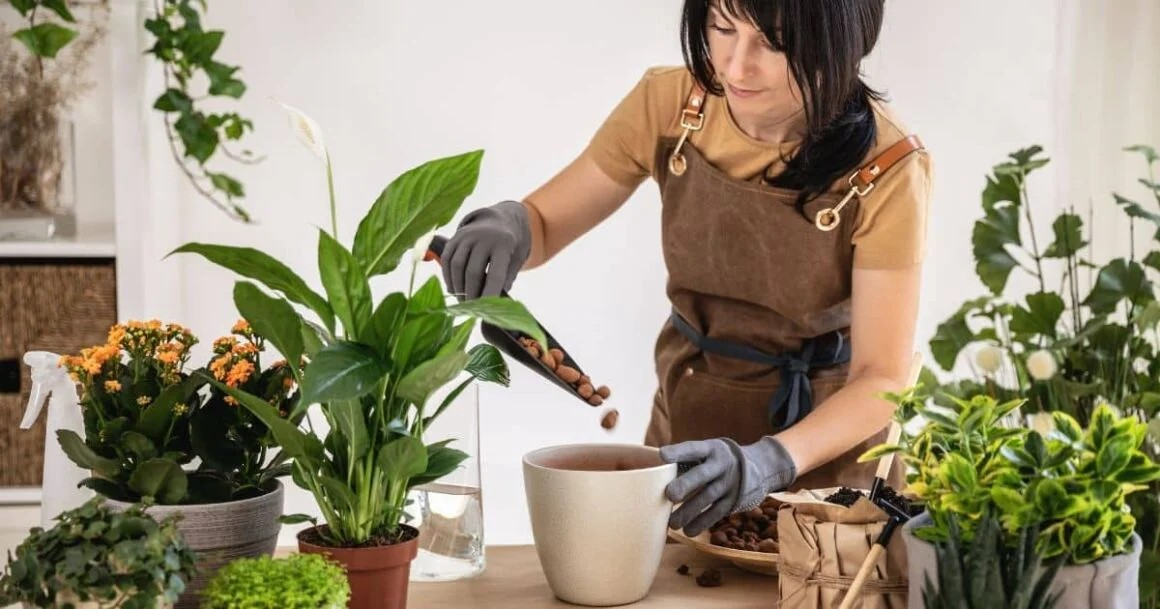
Remove the Plant – Gently take the plant out of its pot and shake off excess soil.
-
Inspect Roots – Trim any dead or mushy roots, which attract gnats.
-
Replace Soil – Use fresh, well-draining potting mix.
-
Optional Top Layer – Add a 1/2 inch layer of sand, perlite, or decorative stones to discourage adults from laying eggs.
Pro Tip: Avoid using garden soil indoors it often contains pests and pathogens. Stick to sterile indoor potting mixes.
Step 4: Use Traps for Adult Gnats
While drying soil and repotting tackle the larvae, you also need to capture adult gnats to reduce the population:
Sticky Traps
-
Yellow sticky traps attract adult gnats and trap them.
-
Place traps near pots or hang them above plants.
-
Replace when covered with flies.
DIY Traps
-
Apple Cider Vinegar Trap: Fill a small container with apple cider vinegar and a drop of dish soap. Adult gnats are attracted to the smell and drown.
-
Wine or Beer Trap: A small dish with a bit of wine or beer can work similarly.
Pro Tip: Sticky traps not only catch adults but also help you monitor infestation levels.
Step 5: Natural Remedies for Fungus Gnats
For those who prefer chemical-free solutions, there are several effective natural remedies:
1. Hydrogen Peroxide Solution
-
Mix 1 part 3% hydrogen peroxide with 4 parts water.
-
Water your plants with this solution it kills larvae in the soil without harming the plant.
-
Repeat weekly until the infestation is gone.
2. Neem Oil
-
Neem oil acts as both a repellent and larvicide.
-
Mix according to package instructions and water soil or spray leaves lightly.
3. Beneficial Nematodes
-
Microscopic worms that attack and kill fungus gnat larvae.
-
Safe for plants and humans, and effective in serious infestations.
4. Diatomaceous Earth
-
Sprinkle food grade diatomaceous earth on top of soil.
-
Sharp particles puncture larvae and insects, dehydrating them.
Pro Tip: Rotate natural treatments for best results, combining soil drying, top dressing, and larval treatments.
Step 6: Chemical Control Options
If natural methods aren’t enough, there are safe indoor pesticides that target fungus gnats:
-
Bacillus thuringiensis var. israelensis (Bti) – A microbial larvicide that kills larvae in soil. Safe for humans and pets.
-
Insecticidal Soap – Sprays for adult gnats.
-
Pyrethrin-Based Sprays – Quick knockdown for adults; use sparingly indoors.
Important: Always follow label instructions and ventilate indoor spaces when using chemical sprays.
Step 7: Preventive Measures
Once you’ve eradicated fungus gnats, it’s essential to prevent them from returning.
1. Watering Practices
-
Let the soil dry between waterings.
-
Avoid overwatering and water only when necessary.
2. Good Drainage
-
Use pots with drainage holes.
-
Avoid leaving water in saucers for long periods.
3. Soil Choice
-
Use well-draining, sterile potting mix.
-
Avoid using garden soil indoors.
4. Cleanliness
-
Remove fallen leaves or decaying plant matter from pots.
-
Wipe down shelves and clean saucers regularly.
5. Top Dressing
-
Use sand, perlite, or decorative pebbles to create a dry top layer.
-
Adults are less likely to lay eggs on dry soil.
Step 8: Ongoing Monitoring
Even after treatment, keep an eye out for returning gnats:
-
Inspect soil weekly for dampness and larvae.
-
Monitor traps for adult flies.
-
Maintain proper watering and cleanliness routines.
Step 9: Special Tips for Sensitive Plants
Some plants, like orchids or African violets, are more sensitive to soil treatments:
-
Use diluted neem oil or Bti rather than harsh chemicals.
-
Avoid overwatering, which is the primary gnat attractant.
-
Consider bottom watering to keep surface soil drier.
Step 10: My Personal Experience
I’ve battled fungus gnats multiple times in my indoor garden. Here’s what worked best for me:
-
Immediate Action – As soon as I noticed tiny flies, I let the soil dry and removed decaying leaves.
-
Repotting – Severely infested plants were repotted with fresh soil and a sand top layer.
-
Sticky Traps – Yellow sticky traps captured adults quickly.
-
Natural Larval Treatment – A week of hydrogen peroxide waterings killed larvae effectively.
-
Ongoing Prevention – Careful watering and soil hygiene kept gnats from returning.
The result? Within two weeks, my plants were gnat free, healthy, and thriving again.
Bonus Tips and Tricks
-
Use Cinnamon Powder – Sprinkle a thin layer on soil; it has antifungal properties and deters larvae.
-
Switch to Self-Watering Pots – Keeps the soil surface drier, discouraging egg-laying.
-
Isolate Infested Plants – Prevents gnats from spreading to healthy plants.
-
Regular Leaf Inspections – Remove fallen leaves immediately, especially for ferns and philodendrons.
Fungus gnats can be frustrating, but with patience, observation, and proper care, you can get rid of them and prevent future infestations.
Key Takeaways:
-
Identify gnats early by inspecting soil and plants.
-
Dry out soil and improve drainage to remove breeding grounds.
-
Use sticky traps and DIY remedies to catch adults.
-
Treat larvae with hydrogen peroxide, neem oil, or beneficial nematodes.
-
Repot plants with fresh soil if infestation is severe.
-
Prevent return with proper watering, clean soil, and top dressing.
With consistent care, your indoor garden can stay healthy, lush, and fungus gnat-free. You’ll enjoy your plants without worrying about tiny flying pests ruining the joy of your indoor jungle.
How to Get Rid of Fungus Gnats in Houseplants
Fungus gnats are more than just annoying little flies they can pose a serious threat to the health of your houseplants if left untreated. While the adult flies are harmless, the larvae feed on roots and organic matter in the soil, which can stunt plant growth, yellow leaves, and make your indoor plants more susceptible to diseases.
In this expanded guide, we’ll go deeper into fungus gnat prevention, eradication, and plant-specific care, so you can keep your indoor jungle thriving.
Step 11: Advanced Plant-Specific Fungus Gnat Tips
Different plants react differently to soil treatments, and some are more susceptible to fungus gnats. Here’s a plant-by-plant guide for dealing with gnats effectively:
1. Orchids
-
Orchids prefer well-draining bark mixes rather than soil.
-
Avoid top watering; use bottom watering to keep the surface dry.
-
If gnats appear, remove decaying roots and soak bark in hydrogen peroxide solution.
2. African Violets
-
Extremely sensitive to waterlogged soil.
-
Use top dressing of perlite or sand to deter egg-laying.
-
Water only when the soil surface feels dry to the touch.
3. Ferns
-
Ferns love humidity, which can attract gnats.
-
Sprinkle a thin layer of cinnamon powder or diatomaceous earth on top of soil.
-
Reduce surface watering and allow soil to partially dry between waterings.
4. Pothos and Philodendrons
-
These hearty plants tolerate more treatment options.
-
Mix fresh, sterile soil with the old soil during repotting.
-
Use sticky traps for adults and hydrogen peroxide soil treatment for larvae.
5. Succulents and Cacti
-
Highly sensitive to overwatering; gnats appear mainly due to damp soil.
-
Allow soil to completely dry between waterings.
-
Avoid using organic matter like compost that retains moisture.
Pro Tip: Understanding the preferences of each plant helps you tailor your fungus gnat control methods without harming your plant.
Step 12: DIY Fungus Gnat Prevention Strategies
Prevention is always better than treatment. Here are some DIY ways to keep fungus gnats away:
1. Sand or Gravel Top Layer
-
Add a 1/2 inch layer of coarse sand or fine gravel on top of your soil.
-
Adult gnats dislike laying eggs on dry, hard surfaces.
2. Cinnamon Powder
-
Sprinkle a thin layer of cinnamon on soil surfaces.
-
Cinnamon is antifungal, reducing the growth of mold that attracts gnats.
3. Essential Oils
-
Mix a few drops of peppermint or eucalyptus oil in water and spray soil surface lightly.
-
Repels adult gnats and reduces egg-laying.
4. Vinegar Traps
-
Fill a small dish with apple cider vinegar and a drop of dish soap.
-
Place near plants to attract and drown adult flies.
5. Sticky Traps
-
Place yellow sticky traps at soil level to catch adults.
-
Change traps regularly and use multiple traps for heavy infestations.
Step 13: Understanding Fungus Gnat Life Cycle
Knowing the gnat life cycle helps you treat the problem effectively.
-
Egg Stage: Laid in moist soil; hatch within 4–7 days.
-
Larval Stage: Feed on roots and organic matter; lasts 10–14 days.
-
Pupal Stage: Lasts 3–7 days in soil.
-
Adult Stage: Live 5–10 days; lay eggs to restart the cycle.
Implication: To completely eradicate fungus gnats, you need to interrupt their life cycle at multiple stages treat the soil, catch adults, and prevent new eggs from being laid.
Step 14: Advanced Larvae Treatments
Larvae are the most destructive stage, so targeting them is essential:
1. Hydrogen Peroxide Soil Drench
-
Mix 1 part 3% hydrogen peroxide with 4 parts water.
-
Water your plant with this solution bubbles indicate larvae are being killed.
2. Beneficial Nematodes
-
Microscopic worms that hunt and kill larvae.
-
Safe for humans, pets, and plants.
-
Ideal for larger infestations or sensitive plant species.
3. Diatomaceous Earth
-
Sprinkle food grade diatomaceous earth on top of soil.
-
Sharp particles puncture larvae, dehydrating them naturally.
Pro Tip: Repeat treatments weekly until the infestation is fully controlled.
Step 15: Repotting for Fungus Gnat Control
Repotting can be an effective way to remove larvae and prevent reinfestation.
Steps:
-
Gently remove plant from pot.
-
Shake off old soil and inspect roots for damage.
-
Trim rotten or mushy roots.
-
Repot in fresh, sterile potting mix.
-
Top layer: Add sand, perlite, or gravel to deter egg-laying.
Pro Tip: Avoid adding compost or organic matter that holds moisture for susceptible plants like succulents.
Step 16: Seasonal Fungus Gnat Care
Fungus gnat populations often spike during warm, humid months. Here’s a seasonal care guide:
-
Spring & Summer:
-
Reduce surface moisture.
-
Use sticky traps regularly.
-
Apply preventive treatments like cinnamon, sand, or essential oils.
-
-
Fall:
-
Begin gradual reduction in watering frequency.
-
Clean fallen leaves to prevent decaying matter.
-
-
Winter:
-
Minimal watering for dormant plants.
-
Keep soil dry at the surface to prevent eggs from surviving.
-
Pro Tip: Even in winter, monitor soil and traps weekly to prevent a sudden spring resurgence.
Step 17: Combining Treatments for Maximum Effect
Sometimes one method isn’t enough. Combining approaches works best:
-
Dry Soil + Sticky Traps – Reduces breeding grounds and captures adults.
-
Hydrogen Peroxide + Neem Oil – Kills larvae and repels new adults.
-
Repotting + Top Dressing – Removes larvae and prevents re-infestation.
-
Essential Oil Sprays + Vinegar Traps – Keeps adult population low.
Consistency is key treating only once or twice won’t break the gnat life cycle.
Step 18: Common Mistakes to Avoid
Even experienced plant parents sometimes make mistakes that allow fungus gnats to thrive:
-
Overwatering – The most common cause of gnats.
-
Ignoring soil hygiene – Fallen leaves or dead roots attract pests.
-
Using non-sterile soil – Can introduce larvae or eggs to your plants.
-
Applying too many chemical sprays at once – Can stress sensitive plants.
-
Neglecting traps – Catching adults is essential to reduce egg-laying.
Step 19: Long-Term Fungus Gnat Prevention
After treating an infestation, the goal is to keep your plants gnat free indefinitely:
-
Water Carefully – Only when soil is dry to the touch.
-
Use Well-Draining Pots – Avoid waterlogged soil.
-
Maintain Top Dressing – Sand, perlite, or gravel discourages egg laying.
-
Regular Cleaning – Remove fallen leaves and wipe plant surfaces.
-
Rotate Natural Treatments – Cinnamon, neem oil, and essential oils can be used periodically for prevention.
-
Monitor Traps – Sticky traps provide early warning for returning gnats.
Pro Tip: Prevention is easier than eradication consistent care will save your plants and your sanity.
Step 20: My Personal Experience with Fungus Gnats
I used to battle fungus gnats every spring when my indoor jungle flourished. Here’s what worked for me:
-
Immediate Action – Let soil dry and remove decaying matter.
-
Repotting – Severely affected plants were repotted with fresh, sterile soil.
-
Sticky Traps – Caught adults quickly, preventing egg-laying.
-
Hydrogen Peroxide Soil Treatments – Killed larvae without harming plants.
-
Top Dressing – Added sand or perlite to keep the soil surface dry.
-
Ongoing Prevention – Careful watering, clean pots, and occasional cinnamon sprinkling.
Within two weeks, my plants were gnat-free, healthy, and thriving. Now I treat fungus gnat prevention as part of regular plant care, rather than an emergency fix.
Final Thoughts
Fungus gnats can be a nuisance, but they’re completely manageable with the right approach. By understanding their life cycle, drying soil, using traps, and employing natural or chemical treatments, you can eradicate these pests and prevent them from returning.
Key Takeaways:
-
Identify the infestation early and inspect soil regularly.
-
Dry out soil and improve drainage to eliminate breeding grounds.
-
Use sticky traps, vinegar, or DIY remedies for adults.
-
Target larvae with hydrogen peroxide, neem oil, or beneficial nematodes.
-
Repot with fresh, sterile soil in severe cases.
-
Maintain long-term prevention with careful watering, top dressing, and soil hygiene.
With consistent care and attention, your houseplants can remain healthy, lush, and fungus gnat free, letting you enjoy a thriving indoor jungle without the hassle of tiny flying pests.





I’m going to try cinnamon powder to get rid of my fungus gnats. Thank you so much for that super helpful hack!
You’ve got such great information especially because I hate bugs
Mosquito dunks and neem oil have saved me from fungus gnats
Very informative and I didn’t know fungus gnats existed!
So many bug hazards affecting houseplants.
I’ve never heard about fungus gnats
Letting the soil dry is the most important part
Thank you for sharing this
I love the safe ways to get rid of gnats. This is a huge reason why we don’t have a roomful of plants anymore!
I have been using apple cider vinegar and dish soap to trap gnats and it’s working great. I even used the water bowl with water and dish soap under a lamp when our new kitten infested our carpet with fleas a decade ago lol.
That is good information to know about fungus gnats. Next time I see one, I will follow the steps you suggested and get rid of those pesky ones.
I swear I have never heard of these before but I am glad that we can get rid of them
Fungus is gross
I use mosquito dunks to get rid of the gnats!
Any suggestions on making sure a new houseplant does not have any bugs on it from the store?
You should immediately isolate it from other plants, wash the leaves and spray the entire plant with neem oil.
Sticky traps work great
I’m sure our gnats are from overwatering!
I’m curious as to how we can get these beneficial nematodes for our plant soil. I will have to look into that.
I like the fact that you can get rid of them fairly easy with different options
I don’t have issues with that as I only overwinter plants like rosemary, scallions, etc
I have had an infestation of gnats before – it is horrible to get rid of! I’ve tried every trick and mosquito dunks, hydrogen peroxide and neem oil have been the things to save me
I hate any type of gnats