Best Indoor Plants And Plant Care Tips
Indoor plants have a magical way of transforming a home. They brighten up a room, purify the air, and lift your mood and honestly, there’s nothing quite like the satisfaction of watching a plant thrive under your care. But if you’re new to houseplants, you might be wondering: which indoor plants are easy to care for, and how do you keep them happy?
Don’t worry I’ve got you covered. In this guide, we’ll explore the best indoor plants for beginners and experts alike, along with practical plant care tips to help your leafy friends flourish all year long.
Why Indoor Plants Are Worth It
Before diving into plant varieties, let’s talk about why indoor plants are more than just decoration.
1. Air Purification
Many indoor plants remove toxins from the air, including formaldehyde, benzene, and ammonia. Plants like snake plants, pothos, and peace lilies are especially effective at improving indoor air quality.
2. Stress Reduction and Mental Health
Studies show that caring for plants reduces stress and increases feelings of well-being. Simply being around greenery can calm your mind, improve focus, and boost productivity.
3. Aesthetic Appeal
Indoor plants add texture, color, and life to any space. From minimalist succulents on a shelf to dramatic monstera leaves in a corner, plants instantly make a room feel more inviting.
4. Health Benefits
Some plants increase humidity, which can reduce dry skin and respiratory irritation. Others, like aloe vera, provide natural remedies for minor cuts and burns.
Best Indoor Plants for Beginners
Let’s start with the plants that are both beautiful and forgiving, perfect for beginners.
1. Pothos (Epipremnum aureum)
-
Why it’s great: Pothos is a low-maintenance trailing plant that thrives in low light and can survive occasional neglect.
-
Care Tips: Water when the top inch of soil is dry. Pothos prefers indirect light but can tolerate low-light spaces.
-
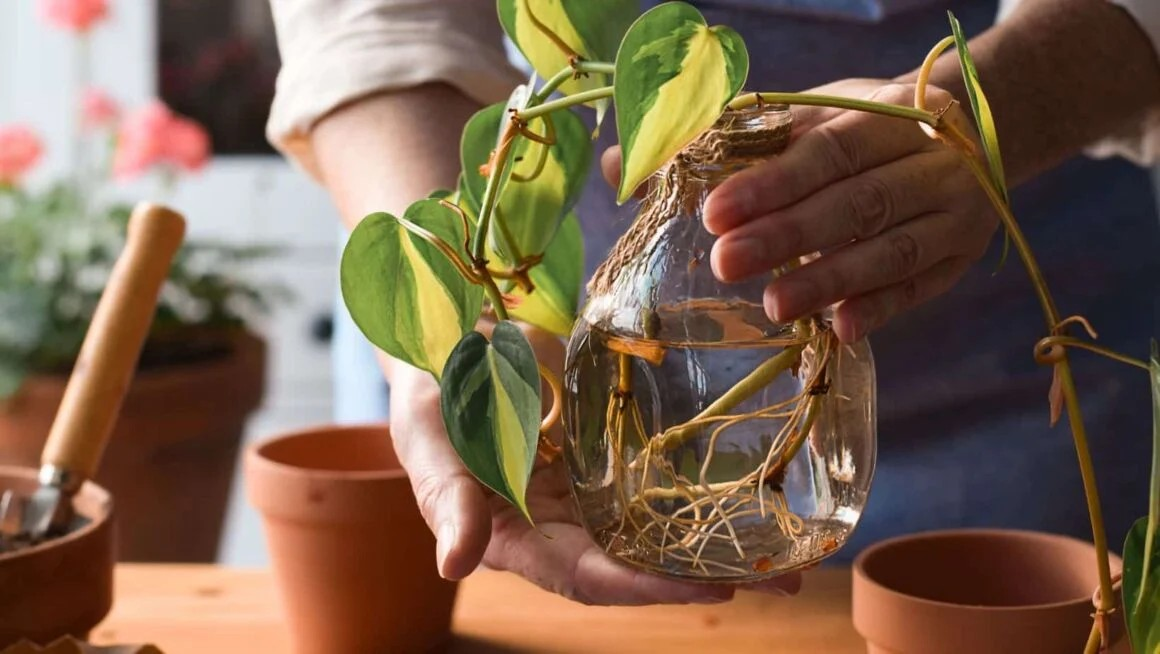
Bonus: Pothos can also be propagated easily in water, making it a fun plant to multiply.
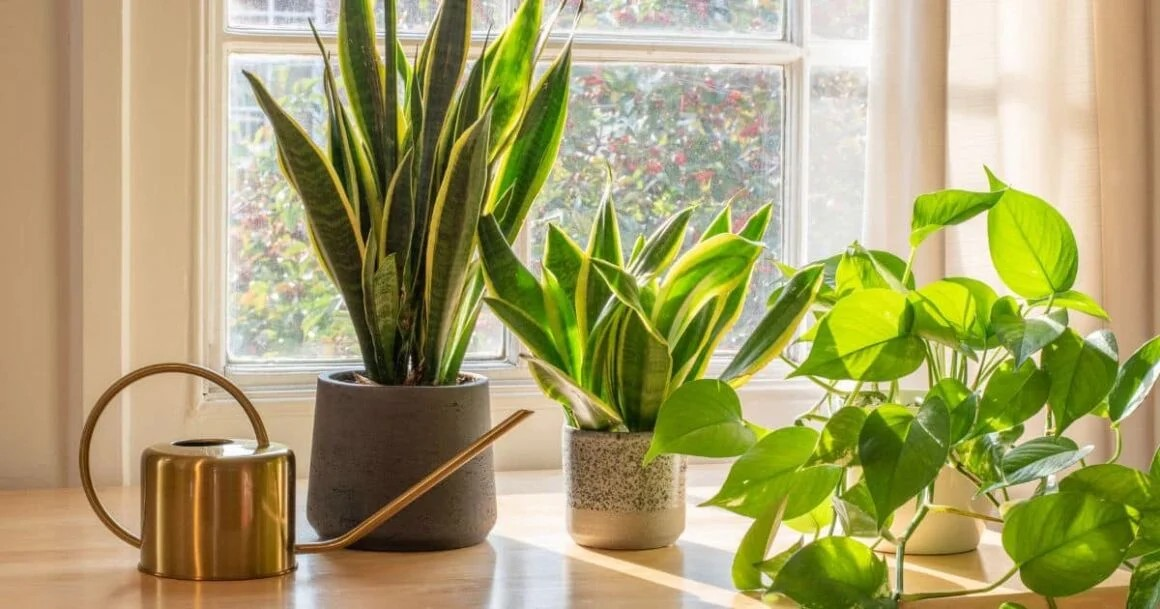
2. Snake Plant (Sansevieria trifasciata)
-
Why it’s great: Known as the “mother-in-law’s tongue,” the snake plant is virtually indestructible. It tolerates low light and irregular watering.
-
Care Tips: Water sparingly allow soil to dry completely between waterings. Snake plants do well in bright, indirect light but can survive in shade.
-
Bonus: Excellent for air purification.
3. Spider Plant (Chlorophytum comosum)
-
Why it’s great: Spider plants are resilient and produce adorable “babies” or plantlets.
-
Care Tips: Keep soil slightly moist, provide bright indirect light, and prune brown leaf tips if needed.
-
Bonus: Babies can be propagated in water or soil, giving you more plants for free!
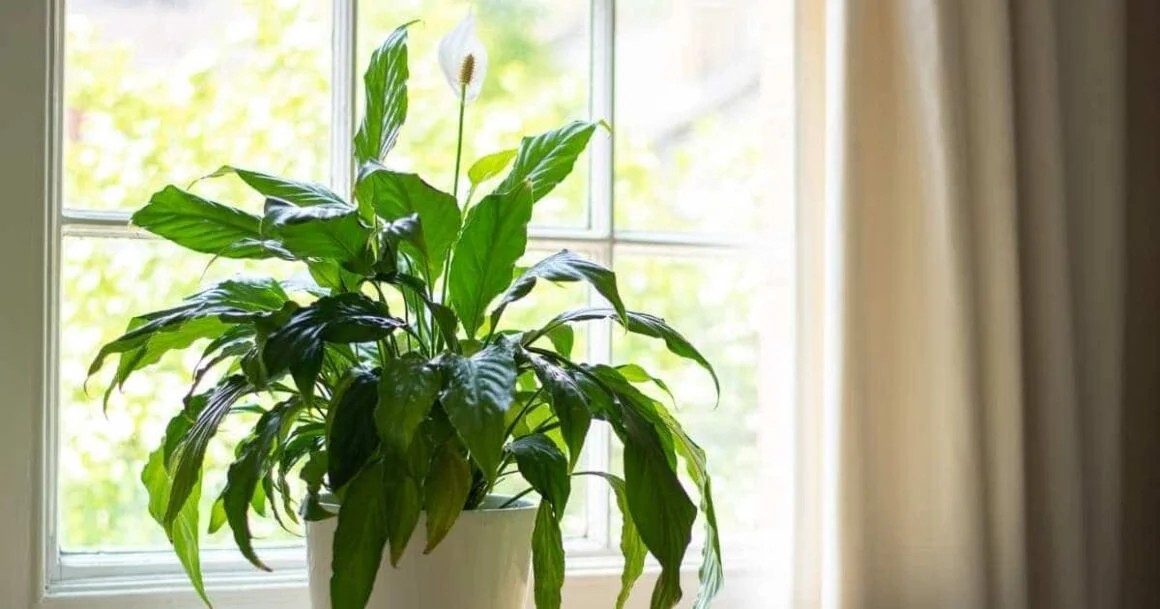
4. Peace Lily (Spathiphyllum)
-
Why it’s great: Peace lilies are elegant, low-maintenance, and bloom beautiful white flowers indoors.
-
Care Tips: Water when the top inch of soil feels dry. Provide indirect light too much direct sun can scorch the leaves.
-
Bonus: Excellent for air purification and removing mold spores from the air.
5. ZZ Plant (Zamioculcas zamiifolia)
-
Why it’s great: ZZ plants are slow-growing, hardy, and thrive on neglect. They tolerate low light and infrequent watering.
-
Care Tips: Water every 2–3 weeks, allowing the soil to dry out completely. ZZ plants prefer indirect sunlight but tolerate low light.
-
Bonus: Glossy leaves give a dramatic, tropical look with minimal effort.
6. Aloe Vera
-
Why it’s great: Aloe vera is a succulent that doubles as a natural remedy for burns and skin irritation.
-
Care Tips: Water deeply but infrequently allow soil to dry between waterings. Provide bright, indirect sunlight.
-
Bonus: You can harvest leaves as needed without harming the plant.
7. Monstera Deliciosa (Swiss Cheese Plant)
-
Why it’s great: Monstera is a tropical favorite with large, eye-catching leaves.
-
Care Tips: Water when the top 2 inches of soil are dry. Bright, indirect light is ideal; direct sunlight can burn the leaves.
-
Bonus: Adds a dramatic, Instagram-worthy vibe to your home.
8. Philodendron
-
Why it’s great: Many philodendrons are low-maintenance, trailing, or climbing plants perfect for shelves or hanging baskets.
-
Care Tips: Water when the soil feels slightly dry. Prefers bright, indirect light but tolerates low light.
-
Bonus: Thrives in standard indoor temperatures and humidity.
9. Succulents (Various Types)
-
Why they’re great: Succulents are drought-tolerant and perfect for sunny windowsills.
-
Care Tips: Water deeply but allow soil to dry completely between waterings. Provide bright, direct sunlight.
-
Bonus: A wide variety of shapes and colors adds visual interest.
10. Fiddle Leaf Fig (Ficus lyrata)
-
Why it’s great: Fiddle leaf figs are a statement plant with large, glossy leaves.
-
Care Tips: Provide bright, indirect light and keep soil evenly moist. Rotate the plant occasionally for even growth.
-
Bonus: Makes a striking centerpiece in any room.
Essential Indoor Plant Care Tips
Caring for indoor plants isn’t complicated once you understand the basics. Here are practical tips to help your plants thrive:
1. Understand Light Requirements
Different plants need different light levels:
-
Low Light: Snake plant, ZZ plant, pothos
-
Medium Light: Peace lily, philodendron
-
Bright Light: Succulents, fiddle leaf fig, aloe vera
Pro Tip: If your plant isn’t growing well, try moving it closer to a window or supplementing with a grow light.
2. Watering Basics
-
Most indoor plants prefer evenly moist soil rather than soggy conditions.
-
Succulents and cacti prefer dry between waterings.
-
Always check the top 1–2 inches of soil before watering.
Pro Tip: Overwatering is the most common cause of houseplant death, so less is often more.
3. Humidity Matters
Many tropical plants, like monstera and philodendron, thrive in higher humidity.
-
Group plants together to create a natural humid microclimate.
-
Use a small humidifier in dry environments.
-
Mist leaves occasionally, especially during winter when indoor air is dry.
4. Fertilizing Your Plants
Indoor plants benefit from occasional feeding, especially during the growing season (spring and summer).
-
Use a balanced liquid fertilizer diluted to half strength every 4–6 weeks.
-
Avoid overfertilizing; it can damage roots and leaves.
Pro Tip: Slow-release fertilizers in soil can reduce the need for frequent feeding.
5. Pruning and Grooming
-
Trim yellow or dead leaves to maintain plant health and appearance.
-
Pruning encourages new growth and prevents leggy stems.
-
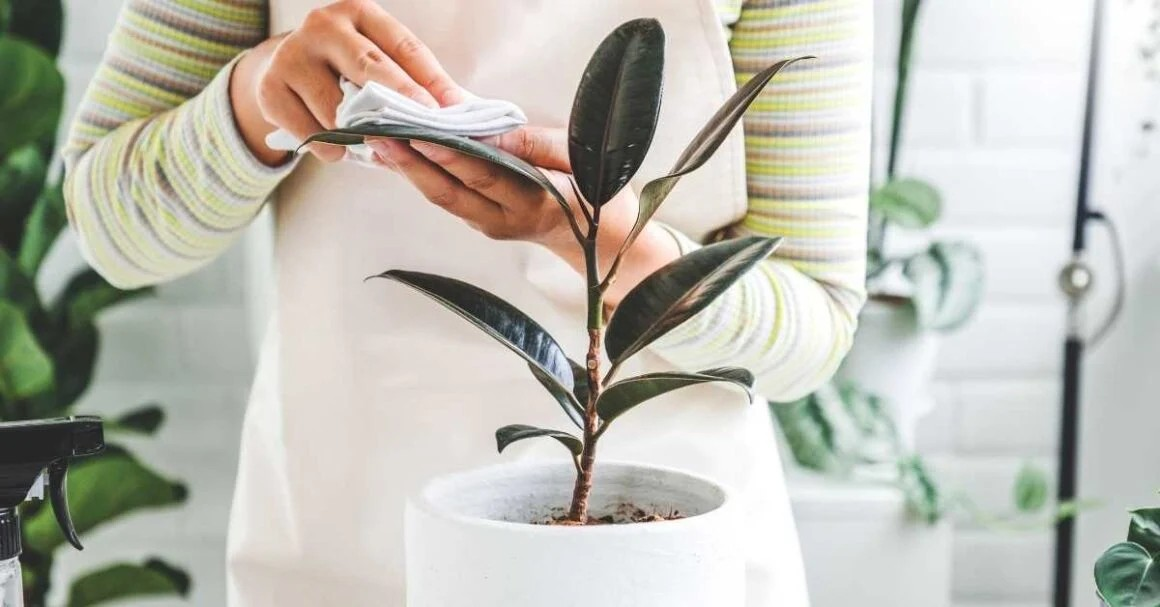
Remove dust from leaves using a soft, damp cloth to allow efficient photosynthesis.
6. Repotting
-
Repot when the plant becomes root-bound or outgrows its container.
-
Spring and early summer are ideal times for repotting.
-
Use fresh potting soil and a slightly larger pot to allow room for growth.
Pro Tip: Repotting gives plants a nutrient boost and encourages vigorous growth.
7. Pest Prevention
Common indoor pests include spider mites, aphids, and mealybugs.
-
Inspect plants regularly.
-
Wipe leaves with a mild soap solution if pests appear.
-
Isolate new plants for a few weeks to prevent infestations.
Pro Tip: Healthy plants are less prone to pests, so consistent care pays off.
8. Propagating Indoor Plants
-
Many indoor plants, like pothos, philodendron, and spider plants, are easy to propagate.
-
Propagation can be done in water or soil, giving you new plants for free.
-
Regular propagation also keeps plants bushy and healthy.
9. Temperature & Placement
-
Most houseplants thrive between 65–75°F.
-
Keep plants away from cold drafts or heaters.
-
Rotate plants occasionally to ensure even light exposure.
10. Experiment & Have Fun
The best part of indoor gardening is experimenting!
-
Try different pots, containers, and plant arrangements.
-
Mix textures: trailing vines, upright palms, and bushy plants for visual interest.
-
Don’t worry about perfection; plants often bounce back from minor mistakes.
My Personal Experience
When I first started with indoor plants, I stuck to pothos and succulents they were almost impossible to kill. Over time, I added:
-
A fiddle leaf fig as a statement plant
-
Spider plants for low-maintenance greenery
-
Aloe vera for my kitchen windowsill
I’ve learned:
-
Consistency beats overcomplication watering and light are key.
-
Rotating plants ensures even growth.
-
Grouping plants together improves humidity and creates a mini indoor jungle vibe.
The biggest reward? Watching my home transform into a lush, green, vibrant space without much effort.
Indoor plants are more than just décor they’re companions, air purifiers, and mood boosters. By selecting the right plants for your environment and following basic care tips, anyone can enjoy thriving indoor greenery.
Remember:
-
Choose plants suited to your light and space.
-
Water appropriately and maintain humidity.
-
Fertilize, prune, and repot as needed.
-
Monitor for pests and remove damaged leaves.
-
Experiment and enjoy the process it’s supposed to be fun.
From pothos to fiddle leaf figs, snake plants to succulents, indoor gardening is accessible, rewarding, and creative. Start with a few beginner-friendly plants, learn their needs, and expand your collection over time. Before you know it, your home will be a thriving green oasis filled with beauty, life, and fresh energy.
Best Indoor Plants and Plant Care Tips
Indoor plants do so much more than just look pretty they bring life, improve air quality, reduce stress, and even boost creativity. Whether you’re a beginner or a seasoned plant parent, knowing which plants thrive indoors and how to care for them is the key to success.
This expanded guide covers:
-
Additional indoor plant varieties
-
Detailed care tips by plant type
-
Propagation methods
-
Seasonal adjustments
-
Troubleshooting common problems
-
Styling tips to create a thriving indoor jungle
By the end, you’ll have all the knowledge you need to confidently care for indoor plants and turn your home into a green oasis.
More Best Indoor Plants
Let’s explore more plant varieties that are perfect for indoor spaces, including low-maintenance options, statement plants, and aromatic herbs.
11. Calathea
-
Why it’s great: Calathea plants are known for their stunning, patterned leaves that fold at night.
-
Care Tips: Keep soil consistently moist but not waterlogged. Prefers bright, indirect light and high humidity.
-
Bonus: A great choice for bedrooms or living spaces where aesthetics matter.
12. Rubber Plant (Ficus elastica)
-
Why it’s great: Rubber plants have shiny, dark green leaves and are relatively easy to care for.
-
Care Tips: Water when the top inch of soil is dry. Thrives in bright, indirect light. Prune to maintain shape.
-
Bonus: Rubber plants can grow quite tall indoors, making them a great floor-standing statement plant.
13. Dracaena
-
Why it’s great: Dracaena comes in multiple varieties and is highly adaptable to indoor light conditions.
-
Care Tips: Allow soil to dry slightly between waterings. Prefers indirect light but tolerates low-light conditions.
-
Bonus: Excellent air purifier and very low-maintenance.
14. Chinese Evergreen (Aglaonema)
-
Why it’s great: Aglaonemas are tough, slow-growing, and forgiving, ideal for beginners.
-
Care Tips: Moderate watering; avoid direct sunlight. Some varieties tolerate low light beautifully.
-
Bonus: Offers a variety of leaf colors silver, red, or green perfect for adding visual interest.
15. Herbs (Basil, Mint, Rosemary, Thyme)
-
Why they’re great: Herbs are functional and decorative, providing fresh flavors for cooking.
-
Care Tips: Keep soil moist but well-draining. Require 6–8 hours of sunlight or supplemental grow lights.
-
Bonus: Harvest leaves regularly to encourage bushy growth.
16. Orchids (Phalaenopsis)
-
Why it’s great: Orchids bring elegance and long-lasting blooms indoors.
-
Care Tips: Use well-draining orchid mix. Water sparingly, usually once a week. Bright, indirect light is essential.
-
Bonus: Flowers can last months, and with proper care, orchids rebloom year after year.
17. Ferns (Boston Fern, Maidenhair Fern)
-
Why they’re great: Ferns add soft texture to your indoor jungle.
-
Care Tips: Keep soil consistently moist, avoid direct sunlight, and increase humidity.
-
Bonus: Ideal for hanging baskets or bathroom spaces with higher moisture.
18. Cast Iron Plant (Aspidistra elatior)
-
Why it’s great: True to its name, this plant is nearly indestructible and tolerates low light and irregular watering.
-
Care Tips: Water when soil is dry. Thrives in low-light corners where other plants may struggle.
-
Bonus: Perfect for beginners who want a hardy floor plant.
19. Bird of Paradise (Strelitzia reginae)
-
Why it’s great: Large, tropical leaves make it a statement plant for bright rooms.
-
Care Tips: Water regularly, keep soil evenly moist. Requires bright, indirect light, and a boost of humidity can help it thrive.
-
Bonus: With patience, it can produce stunning orange and blue flowers indoors.
20. Lucky Bamboo (Dracaena sanderiana)
-
Why it’s great: Often grown in water, lucky bamboo is easy to maintain and adds a Zen-like vibe.
-
Care Tips: Keep roots submerged in water and change water weekly. Prefers indirect light.
-
Bonus: Great for beginners and makes a thoughtful gift.
Indoor Plant Care Tips by Category
Different plant types have slightly different needs. Here’s a breakdown to make care easier.
Low-Light, Low-Maintenance Plants
-
Snake Plant, ZZ Plant, Cast Iron Plant
-
Care Tips: Water sparingly, avoid overwatering. Indirect light is sufficient.
-
Perfect for: Offices, bedrooms, or corners with minimal sunlight.
Medium-Light, Moderate Maintenance Plants
-
Pothos, Philodendron, Peace Lily, Rubber Plant
-
Care Tips: Allow top inch of soil to dry between waterings. Bright, indirect light is ideal.
-
Perfect for: Living rooms, kitchens, and sunrooms.
High-Light, High-Maintenance Plants
-
Succulents, Fiddle Leaf Fig, Orchids, Bird of Paradise
-
Care Tips: Ensure bright light, consistent watering schedules, and occasional fertilization.
-
Perfect for: Bright windowsills or sunrooms.
Seasonal Plant Care Tips
Indoor plant care changes slightly depending on the season. Here’s how to adjust:
Spring and Summer
-
Plants grow actively fertilize every 4–6 weeks.
-
Monitor for new growth and prune to shape plants.
-
Increase watering slightly, as warmer temperatures and longer days increase evaporation.
Fall
-
Growth slows; reduce fertilization frequency.
-
Keep an eye on leaf drop, as some plants naturally shed leaves.
-
Adjust watering cooler temperatures may mean less frequent watering.
Winter
-
Many plants enter dormancy; water less frequently.
-
Move tropical plants away from cold drafts and heaters.
-
Use grow lights if natural light is limited.
Propagation Tips for Indoor Plants
Propagation is a fun and cost-effective way to multiply your plants. Here are some popular methods:
1. Water Propagation
-
Works for: Pothos, Philodendron, Spider Plant, Lucky Bamboo
-
Method: Place cuttings in water with at least one node submerged. Change water every 3–4 days. Roots develop in 1–4 weeks.
2. Soil Propagation
-
Works for: Rubber Plant, Monstera, Calathea
-
Method: Insert cuttings into moist soil and keep in a warm, humid environment. Cover with plastic to retain humidity if needed.
3. Division
-
Works for: Ferns, Spider Plants, Boston Ferns
-
Method: Gently separate the root ball into smaller sections and pot each section separately.
4. Leaf Cuttings
-
Works for: Succulents, African Violets
-
Method: Cut a healthy leaf, allow it to callus (for succulents), and then place it in soil to root.
Troubleshooting Common Indoor Plant Problems
Even experienced plant parents encounter issues. Here’s a guide to common problems:
1. Yellow Leaves
-
Causes: Overwatering, poor drainage, nutrient deficiency
-
Solution: Check soil moisture, ensure proper drainage, and fertilize if necessary
2. Brown Leaf Tips
-
Causes: Low humidity, over-fertilization, dry air
-
Solution: Increase humidity, reduce fertilizer, mist leaves regularly
3. Leggy Growth
-
Causes: Insufficient light
-
Solution: Move plants closer to a bright window or supplement with grow lights
4. Pests
-
Common pests: Spider mites, aphids, mealybugs
-
Solution: Wipe leaves with mild soap solution, isolate affected plants, and increase air circulation
Creative Indoor Plant Styling Tips
Indoor plants aren’t just for air they’re decor too. Here are some styling tips:
-
Mix heights and textures: Combine tall plants like fiddle leaf figs with trailing vines like pothos.
-
Use decorative pots: Match pots to your home’s aesthetic ceramic, terracotta, or woven baskets add style.
-
Create a plant shelf: Tiered shelving allows you to display multiple plants efficiently.
-
Group by humidity needs: Tropical plants benefit from being near each other to create a humid microclimate.
-
Use hanging planters: Ideal for small spaces and trailing plants like spider plants and ivy.
My Personal Experience
I started with a few pothos and succulents, and now my indoor jungle includes:
-
A fiddle leaf fig as a centerpiece
-
Spider plants trailing from shelves
-
Aloe vera in the kitchen for convenience
-
Herbs in sunny windowsills
The biggest lesson I’ve learned? Consistency is key. A little care every week watering, rotating, checking for pests goes a long way. And propagation is a fun way to expand your collection without spending a fortune.
Final Thoughts
Indoor plants are more than just decoration they improve air quality, reduce stress, and add life to your home. By selecting the right plants and understanding their care requirements, anyone can cultivate a thriving indoor garden.
Key takeaways:
-
Start with beginner-friendly plants like pothos, snake plants, and spider plants.
-
Understand your plant’s light, water, and humidity needs.
-
Adjust care seasonally to match growth cycles.
-
Experiment with propagation to multiply your collection.
-
Have fun styling plants to complement your home décor.
From low-maintenance succulents to statement fiddle leaf figs, indoor plants offer countless benefits. With proper care and a little attention, your home can become a lush, green sanctuary filled with vibrant life.
Thanks for all the great tips.
I would like to try snake plants
Great article thanks!
Took awhile to learn the over watering tip. Thanks for the reminder
This is a great guide. I so love indoor plants.
I wish I was better at growing plants
Aloe vera has so many uses!
I had a fern years ago but after 2 years I killed it unfortunately
I love my indoor plants – they really do bring joy to my life
Aloe vera is the gold standard, especially with its healing properties!
Love when my Peace lily is towering and in bloom. Unfortunetly, it has been struggling as of late.
House plants are my happy place
Great information