Find The Best Fertilizer For Houseplants
If you’re a houseplant parent, you know how rewarding it is to watch your leafy friends thrive. But keeping plants healthy isn’t just about watering and sunlight fertilizer plays a critical role in helping them grow strong, vibrant, and full of life. Choosing the right fertilizer for your houseplants can feel overwhelming, though. With so many options liquid, granular, slow-release, organic, synthetic how do you know which one is right?
Don’t worry I’ve been there, experimenting with different fertilizers on my indoor jungle until I discovered what really works. In this guide, we’ll break down everything you need to know to find the best fertilizer for houseplants, including types, nutrients, application tips, and mistakes to avoid.
Why Fertilizer Matters
Think of fertilizer as a nutritional boost for your plants. Just like humans need vitamins and minerals, houseplants need a consistent supply of nutrients to:
-
Promote leaf growth and vibrant color
-
Strengthen roots for stability and water absorption
-
Encourage flowering and fruiting
-
Maintain overall plant health and resilience
Even with perfect watering and lighting, plants will eventually use up nutrients in the soil. Fertilizing replenishes these essentials, ensuring your houseplants continue to thrive.
Understanding Plant Nutrients
Most fertilizers are labeled with three numbers: N-P-K, which stand for:
-
Nitrogen (N): Supports leaf and stem growth. A nitrogen-rich fertilizer helps your plants grow lush, green foliage.
-
Phosphorus (P): Promotes root development and flowering. Phosphorus is key for strong root systems and vibrant blooms.
-
Potassium (K): Strengthens overall health and disease resistance. Potassium helps your plant handle stress and resist pests.
Bonus Nutrients: Some fertilizers also include calcium, magnesium, and micronutrients for additional plant support.
Pro Tip: Look at the numbers and match them to your plant’s needs. For example:
-
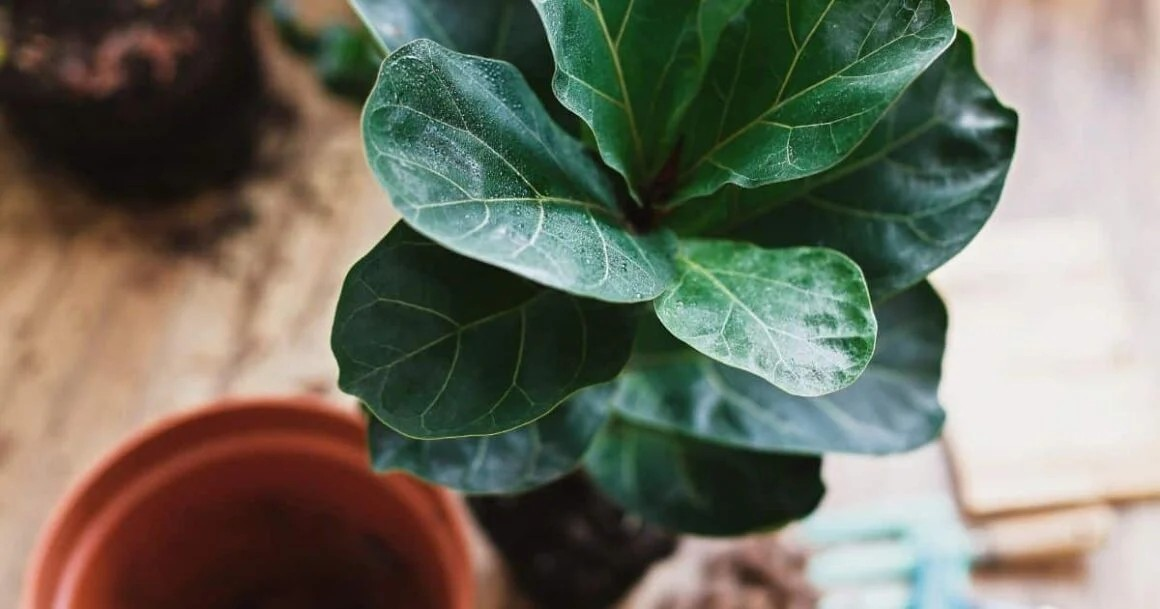
Leafy houseplants (like pothos or fiddle leaf figs): Higher nitrogen is ideal.
-
Flowering plants (like orchids or African violets): Higher phosphorus encourages blooms.
-
General houseplant health: Balanced NPK works for most indoor plants.
Types of Fertilizers
Fertilizers come in different forms, each with pros and cons. Let’s break them down.
1. Liquid Fertilizers
Liquid fertilizers are diluted in water and applied during watering.
Pros:
-
Quick absorption
-
Easy to adjust strength
-
Can target specific plant needs
Cons:
-
Must be applied frequently
-
Overfertilization is easier if not careful
Tip: Use half-strength liquid fertilizer for small or young plants to avoid burning roots.
2. Granular Fertilizers
Granular fertilizers are sprinkled on top of soil and slowly release nutrients over time.
Pros:
-
Long-lasting
-
Less frequent application (usually every 2–3 months)
-
Great for large plants or busy plant parents
Cons:
-
Slower to take effect
-
Can be unevenly distributed if not mixed into soil
Tip: Water the soil after applying granular fertilizer to help nutrients absorb.
3. Slow-Release Fertilizers
Slow-release fertilizers are a type of granular fertilizer that releases nutrients gradually over months.
Pros:
-
Minimal maintenance
-
Reduces risk of overfertilization
-
Perfect for “forgetful” plant parents
Cons:
-
Can’t adjust nutrient levels easily
-
Often more expensive upfront
Tip: Check the packaging for release duration (usually 3–6 months).
4. Organic Fertilizers
Organic fertilizers are made from natural sources like compost, seaweed, or fish emulsion.
Pros:
-
Environmentally friendly
-
Improves soil structure
-
Safer for pets and children
Cons:
-
Nutrient levels can vary
-
May have odor or attract pests
Tip: Organic fertilizers are excellent for houseplants that thrive in well-draining, nutrient-rich soil.
5. Synthetic Fertilizers
Synthetic fertilizers are chemically formulated to provide precise nutrients.
Pros:
-
Fast-acting
-
Consistent nutrient ratios
-
Targeted for specific plant types
Cons:
-
Can cause salt buildup in soil
-
Overuse may harm roots
Tip: Always follow label instructions and flush the soil occasionally to prevent buildup.
Choosing Fertilizer Based on Plant Type
Not all houseplants need the same fertilizer. Here’s a quick guide:
-
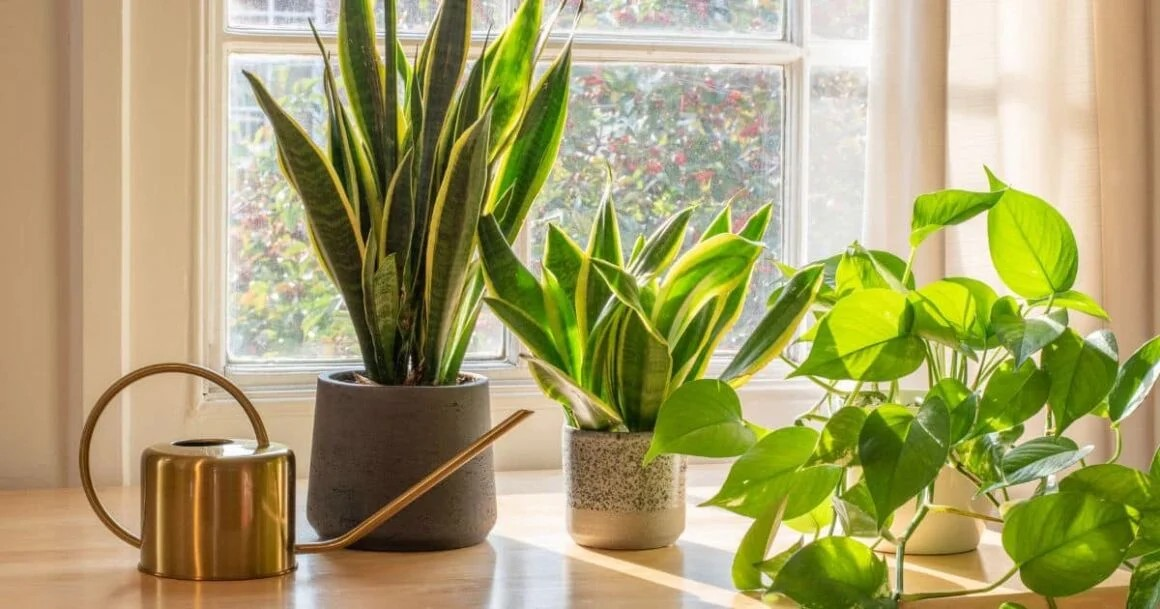
Foliage plants (pothos, snake plant, fiddle leaf fig): Use high nitrogen fertilizers for lush leaves.
-
Flowering plants (African violets, orchids, hibiscus): Use fertilizers higher in phosphorus to encourage blooms.
-
Succulents and cacti: Use fertilizers with low nitrogen to prevent leggy growth.
-
Herbs and edibles: Use balanced or slightly higher nitrogen fertilizers to support leafy growth.
Pro Tip: Read your plant’s care guide. Most houseplants have recommended fertilizer types listed.
How to Apply Fertilizer
Applying fertilizer correctly is just as important as choosing the right one.
Liquid Fertilizer
-
Mix the fertilizer according to label directions.
-
Apply evenly to the soil.
-
Avoid getting fertilizer on leaves to prevent burn.
Frequency: Every 2–4 weeks during active growth.
Granular and Slow-Release Fertilizer
-
Sprinkle evenly over the soil surface.
-
Gently water to activate the nutrients.
-
Mix into the top layer if needed for even distribution.
Frequency: Every 2–3 months for granular, every 3–6 months for slow-release.
Pro Tip: Always water before fertilizing if the soil is dry it reduces the risk of root burn.
Common Fertilizer Mistakes
Even experienced plant parents make mistakes. Here’s what to avoid:
-
Overfertilizing: Can cause leaf burn, yellowing, or root damage. Less is often more.
-
Underfertilizing: Plants may grow slowly or have pale leaves.
-
Fertilizing dormant plants: Skip fertilization in winter when most houseplants are less active.
-
Using the wrong NPK ratio: Know your plant’s needs to prevent poor growth or weak roots.
-
Ignoring soil quality: Fertilizer can’t fix compacted or poor soil repot if needed.
Pro Tip: Keep a fertilizer schedule and stick to recommended amounts. Your plants will reward you with healthy growth.
Signs Your Plant Needs Fertilizer
Not sure if your plant needs feeding? Look for these signs:
-
Slow or stunted growth
-
Pale or yellowing leaves
-
Weak or leggy stems
-
Poor flowering
If your plant shows one or more of these signs during its growing season, it’s likely time to fertilize.
Personal Experience: Finding What Works
I remember struggling to find the right fertilizer for my indoor plants. My snake plant started to grow slowly, and my fiddle leaf fig had yellow leaves despite plenty of sunlight and water. After experimenting with a balanced liquid fertilizer and switching to slow-release organic fertilizer for some plants, I noticed:
-
Snake plant leaves grew darker and healthier
-
Fiddle leaf fig started producing new leaves
-
My African violet bloomed multiple times in one season
The lesson? Matching fertilizer type and nutrients to each plant is key. There’s no one-size-fits-all, but understanding your plants’ needs makes all the difference.
Tips for Choosing the Best Fertilizer
-
Know your plant type: Foliage, flowering, succulent, or edible.
-
Check nutrient ratios: High nitrogen for leafy plants, high phosphorus for blooms.
-
Decide on frequency: Liquid for frequent feeding, granular for low maintenance.
-
Consider organic vs. synthetic: Organic is gentle and safe; synthetic is precise and fast-acting.
-
Read labels carefully: Follow directions for dosage and frequency.
-
Adjust based on season: Fertilize more in spring/summer, reduce or skip in fall/winter.
-
Observe results: Monitor leaf color, growth, and flowering to tweak fertilizer routine.
Extra Tips for Thriving Houseplants
-
Rotate your plants for even light exposure.
-
Clean leaves regularly to improve photosynthesis.
-
Ensure proper watering fertilizer can’t fix overwatered or underwatered plants.
-
Repot if roots are crowded or soil quality is poor.
-
Keep a plant journal to track fertilization schedules and growth patterns.
Finding the best fertilizer for houseplants doesn’t have to be stressful. By understanding plant nutrient needs, fertilizer types, and application methods, you can keep your indoor garden thriving year-round.
Remember:
-
Fertilizer is a boost, not a replacement for proper light and water.
-
Choose the right NPK ratio for your plant type.
-
Adjust your routine based on season and plant growth.
-
Observe your plants they’ll tell you what they need.
With the right fertilizer and a little care, your houseplants will reward you with lush, vibrant leaves, strong roots, and gorgeous blooms. Fertilizing is more than a chore it’s a way to connect with your plants and help them flourish.
Find the Best Fertilizer for Houseplants: A Complete Guide
Fertilizing your houseplants is like giving them a vitamin boost. Even with perfect light and water, plants need nutrients to grow strong, vibrant, and healthy. Choosing the right fertilizer can be confusing because there are so many options liquid, granular, organic, synthetic, slow-release and each type has its own purpose.
In this expanded guide, we’ll explore everything you need to know to find the best fertilizer for your indoor plants, including tips for DIY fertilizers, nutrient deficiencies, seasonal schedules, advanced tricks, and troubleshooting common problems.
Understanding Plant Nutrients in Detail
Fertilizers provide plants with the essential nutrients they need to thrive. While N-P-K (Nitrogen, Phosphorus, Potassium) is the core, plants also need secondary and trace nutrients.
Primary Nutrients
-
Nitrogen (N)
-
Role: Supports leafy growth, gives plants deep green color.
-
Best for: Foliage plants like pothos, fiddle leaf figs, and monstera.
-
-
Phosphorus (P)
-
Role: Encourages strong root development and flowering.
-
Best for: Flowering houseplants like African violets and orchids.
-
-
Potassium (K)
-
Role: Strengthens stems, improves disease resistance, and supports overall health.
-
Best for: General houseplant health and stress resilience.
-
Secondary Nutrients
-
Calcium (Ca): Strengthens cell walls; prevents weak stems.
-
Magnesium (Mg): Important for photosynthesis; gives leaves rich color.
-
Sulfur (S): Promotes enzyme and protein production.
Trace Nutrients
-
Iron, zinc, manganese, copper, molybdenum, and boron.
-
These are needed in tiny amounts but are essential for vibrant growth and preventing deficiencies.
Pro Tip: Choosing a fertilizer with secondary and trace nutrients ensures your plants get complete nutrition.
Signs Your Plant Needs Fertilizer
Even with good care, plants may show signs of nutrient deficiency:
-
Yellow leaves: Nitrogen deficiency
-
Purple or reddish stems: Phosphorus deficiency
-
Brown leaf edges: Potassium deficiency
-
Slow growth or weak stems: Overall nutrient deficiency
-
Pale or mottled leaves: Iron or magnesium deficiency
Recognizing these signs helps you choose the right fertilizer type and formula.
Advanced Fertilizer Types
Let’s dive deeper into different fertilizer forms and their applications:
Liquid Fertilizers
-
Applied during watering
-
Nutrients are quickly absorbed
-
Ideal for frequent feeding and precise control
Tip: Use a half-strength solution for young or sensitive plants to prevent burning roots.
Granular Fertilizers
-
Applied on soil surface
-
Slowly release nutrients over weeks or months
-
Perfect for larger plants or less frequent maintenance
Tip: Water immediately after application to help nutrients penetrate the soil.
Slow-Release Fertilizers
-
Granules coated to release nutrients gradually
-
Lasts for 3–6 months depending on brand
-
Ideal for busy plant parents or when you want consistent nutrition without frequent application
Tip: Monitor your plant’s growth if you see signs of deficiency before the next scheduled feeding, supplement with liquid fertilizer.
Organic Fertilizers
-
Made from natural sources like compost, fish emulsion, seaweed, or manure
-
Gentle on plants and improves soil structure over time
-
Safer for pets and children
Tip: Organic fertilizers may have variable nutrient levels, so observe plant response and supplement if necessary.
Synthetic Fertilizers
-
Chemically formulated to provide specific nutrient ratios
-
Fast-acting and precise
-
Great for correcting nutrient deficiencies quickly
Caution: Overuse can cause salt buildup in soil, so always follow label directions and occasionally flush soil with water.
DIY Fertilizer Options
If you prefer a more natural approach, there are several easy DIY fertilizers you can make at home:
-
Banana Peel Fertilizer
-
Chop banana peels and bury them in the soil or soak in water for 24 hours to make a liquid fertilizer.
-
Provides potassium and phosphorus.
-
-
Coffee Grounds
-
Sprinkle used coffee grounds sparingly on the soil surface.
-
Adds nitrogen for leafy plants.
-
-
Eggshells
-
Crush and sprinkle in the soil for calcium.
-
Helps strengthen stems and prevent blossom-end rot in edible plants.
-
-
Epsom Salt Solution
-
Dissolve 1 tablespoon in 1 gallon of water to provide magnesium and sulfur.
-
Great for plants with yellowing leaves due to magnesium deficiency.
-
Pro Tip: DIY fertilizers are great supplements, but they may not provide a complete nutrient profile, so consider combining with commercial fertilizers for balanced growth.
Seasonal Fertilizer Schedule
Houseplants grow differently throughout the year, so adjust your fertilization routine accordingly:
-
Spring (Growth Spurt): Fertilize every 2–4 weeks with liquid fertilizer or monthly with granular.
-
Summer (Active Growth): Continue regular feeding; increase humidity for better nutrient uptake.
-
Fall (Transition): Reduce fertilization as growth slows; use half-strength fertilizer if necessary.
-
Winter (Dormant): Avoid fertilizing; plants need minimal nutrients during dormancy.
Pro Tip: Keep a calendar or plant journal to track feeding schedules. This prevents overfertilization or missed applications.
Fertilizer Application Tips
Applying fertilizer correctly is just as important as choosing the right one:
-
Water before fertilizing if soil is dry to prevent root burn.
-
Apply evenly for granular or slow-release, distribute across the soil surface, not just near the stem.
-
Avoid leaves fertilizer contact can burn foliage.
-
Flush soil occasionally watering heavily once in a while prevents salt buildup from synthetic fertilizers.
Common Mistakes to Avoid
Even experienced plant parents make mistakes with fertilizers. Avoid:
-
Overfertilizing: Can burn roots, cause leaf yellowing, or salt buildup.
-
Fertilizing dormant plants: Most houseplants slow growth in fall/winter.
-
Ignoring plant type: Each plant has specific nutrient requirements.
-
Using the wrong ratio: High nitrogen on a flowering plant can reduce blooms.
-
Neglecting soil quality: Fertilizer cannot fix poor or compacted soil.
Pro Tip: Less is often more plants can recover from under-fertilization faster than over-fertilization.
Advanced Tips for Thriving Plants
-
Rotate your plants: Ensures all leaves get light and nutrients are absorbed evenly.
-
Dust leaves regularly: Helps photosynthesis and fertilizer effectiveness.
-
Monitor growth: Compare leaves, stems, and overall plant health to adjust feeding.
-
Combine fertilizers if needed: For example, use slow-release plus occasional liquid feeding for extra boost.
-
Use fertilizer spikes: These are slow-release spikes inserted into the soil for convenience.
Personal Experience: Learning What Works
When I first started indoor gardening, my fiddle leaf fig looked healthy but was growing slowly. I tried a high-nitrogen liquid fertilizer, but within weeks, the leaves started browning at the edges. I realized I was overfertilizing.
After switching to half-strength liquid fertilizer and alternating with slow-release organic granules, my plant bounced back:
-
New leaves grew vibrant and glossy
-
Growth became steady and strong
-
Foliage looked lush without any leaf burn
The key takeaway? Observe your plants, adjust fertilizer type and frequency, and don’t rely on one-size-fits-all solutions.
Best Fertilizers for Common Houseplants
Here’s a quick guide:
| Plant Type | Fertilizer Recommendation | N-P-K Ratio |
|---|---|---|
| Foliage plants (Monstera, Pothos) | Balanced liquid or slow-release | 10-5-10 or similar |
| Flowering plants (African violet, Hibiscus) | Bloom booster fertilizer | 15-30-15 |
| Succulents & Cacti | Low-nitrogen fertilizer | 2-7-7 |
| Herbs & Edibles | Balanced liquid fertilizer | 10-10-10 |
| Fiddle Leaf Fig | Slow-release plus occasional liquid | 10-10-10 |
Pro Tip: Always follow label instructions for frequency and dilution to avoid nutrient burn.
Troubleshooting Fertilizer Problems
Even with proper fertilization, problems can arise:
-
Yellow leaves: Check nitrogen levels; reduce overwatering.
-
Brown leaf edges: Could be too much fertilizer; flush soil with water.
-
Stunted growth: May need more phosphorus or potassium; adjust feeding.
-
Leaf drop: Sudden fertilizer spikes can shock plants always introduce slowly.
Extra Tip: Keep notes on what fertilizer type, frequency, and strength you used it helps identify patterns and adjust care.
Final Thoughts
Finding the best fertilizer for houseplants doesn’t have to be complicated. By understanding:
-
Nutrient requirements (N-P-K and secondary nutrients)
-
Fertilizer types (liquid, granular, slow-release, organic, synthetic)
-
Seasonal schedules and plant-specific needs
…you can create a fertilization routine that keeps your indoor plants lush, vibrant, and thriving year-round.
Remember: fertilizer is a supplement to proper light, water, and humidity, not a replacement. Observe your plants carefully, adjust feeding as needed, and they will reward you with vibrant leaves, strong roots, and even beautiful blooms.
Fertilizing your houseplants is more than a routine it’s a way to connect with your plants, nurture growth, and enjoy the beauty of a thriving indoor jungle.

Good tips. I prefer organic.
Wow! I need list. Looking to put some more life into a peace lily
I am buying potted plants now for my house
I had no idea there were many different types of fertilizer!
We use liquid fertilizer
What you put your plants inn makes all the difference.
Love all that’s posted here. Maybe now I won’t kill the plants.
Thank you for sharing
THX HELPS
I tried growing tomatoes one year and I found out the importance of the correct soil. Needless to say my tomatoes didn’t grow. lol
I only use organic products
Great tips! I didnt know the exact details of what fertilizer was needed depending the the type of plant