20 Easy Fast Growing Houseplant Care Tips
Fast-growing houseplants are incredibly satisfying. There’s nothing like seeing a plant sprout new leaves, stretch toward the sunlight, or fill a corner of your home in just a few months. If you’re looking for lush, vibrant indoor greenery without waiting years for results, there are simple ways to encourage rapid, healthy growth.
Whether you’re a beginner or an experienced plant parent, these 20 easy tips will help you grow strong, vibrant plants that thrive indoors.
1. Choose Fast-Growing Plant Varieties
Not all plants grow at the same speed. If you want results fast, start with species known for rapid growth:
-
Pothos (Epipremnum aureum): Can grow several feet in a single year.
-
Spider Plant (Chlorophytum comosum): Produces babies (pups) quickly.
-
Philodendron: Especially heartleaf philodendron grows fast in bright, indirect light.
-
Peace Lily (Spathiphyllum): Quick to produce new leaves and flowers.
-
Golden Money Tree (Pachira aquatica): Fast-growing and forgiving.
Pro Tip: Even slow-growing plants can thrive faster if you provide ideal care.
2. Provide Bright, Indirect Light
Light is energy for plants. Fast-growing plants thrive in bright, indirect sunlight.
-
Place near east or west-facing windows.
-
Avoid harsh direct sun for tropical plants—it can scorch leaves.
-
Rotate plants regularly for even growth.
Pro Tip: For low-light rooms, consider LED grow lights to boost photosynthesis and accelerate growth.
3. Water Consistently, But Don’t Overdo It
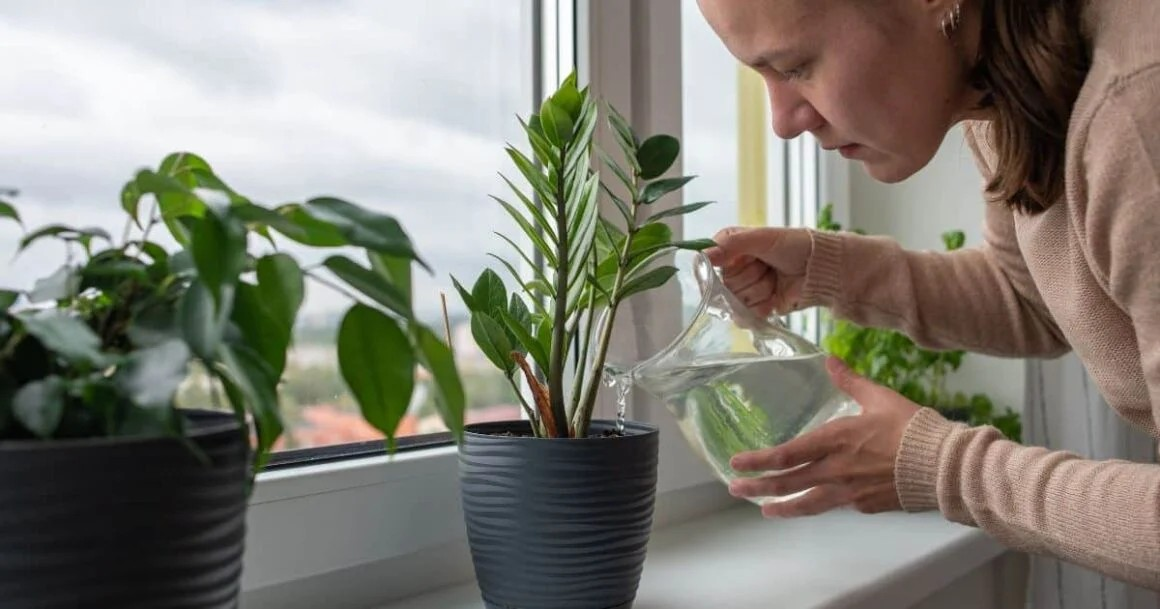
Proper watering encourages fast growth without causing root rot.
-
Check soil moisture before watering; let the top 1–2 inches dry for most tropical plants.
-
Use a consistent schedule—fast-growing plants need steady moisture.
-
Adjust for seasons: water less in winter, more in summer.
Pro Tip: Use a moisture meter to avoid overwatering, which slows growth more than underwatering.
4. Use Well-Draining Soil
Soil affects both growth speed and plant health. Well-draining soil prevents waterlogged roots, which can stunt growth.
-
Tropical plants: Peat-based soil mixed with perlite or orchid bark.
-
Succulents/cacti: Sandy, gritty soil.
-
Herbs and edibles: Nutrient-rich, well-draining potting mix.
Pro Tip: Refresh soil every 1–2 years to replenish nutrients and improve drainage.
5. Fertilize Regularly
Fast-growing plants need extra nutrients. Fertilizing ensures leaves, stems, and roots develop quickly.
-
Liquid fertilizers: Quick absorption; use every 2–4 weeks.
-
Slow-release fertilizers: Gradual supply of nutrients over months.
-
Organic fertilizers: Compost, fish emulsion, or worm castings feed soil and plants naturally.
Pro Tip: Match fertilizer type to plant needs—high nitrogen for leafy growth, high phosphorus for flowers.
6. Maintain Proper Humidity
Humidity boosts growth in tropical houseplants. Low humidity can slow leaf expansion.
-
Use a humidifier or pebble tray with water.
-
Group humidity-loving plants together to create a mini rainforest effect.
-
Mist occasionally for temporary moisture boost.
Pro Tip: Plants like calatheas, monsteras, and ferns thrive in 50–70% humidity.
7. Keep Leaves Clean
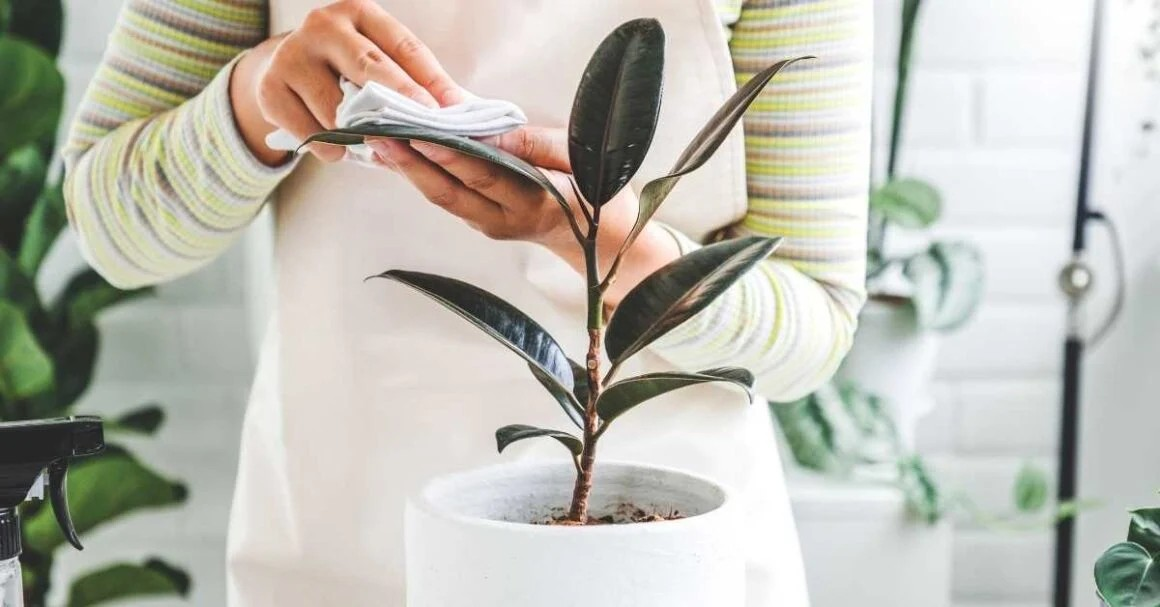
Dust blocks sunlight and slows growth. Cleaning leaves helps plants photosynthesize more efficiently.
-
Wipe leaves with a damp cloth monthly.
-
Shower small-leaved plants gently with lukewarm water.
-
Avoid leaf shine sprays—they can block pores.
Pro Tip: Cleaning leaves is also a great opportunity to check for pests.
8. Prune for Healthy Growth
Pruning encourages fast, bushy growth by redirecting energy to healthy stems.
-
Trim yellowing or damaged leaves.
-
Remove leggy growth to stimulate branching.
-
Sterilize scissors to prevent disease spread.
Pro Tip: Don’t remove more than 20–25% of leaves at a time to avoid stressing the plant.
9. Repot When Necessary
Roots that are cramped slow growth. Repot fast-growing plants every 12–18 months.
-
Choose a pot 1–2 inches larger than the current one.
-
Use fresh, nutrient-rich soil.
-
Gently loosen roots if circling tightly.
Pro Tip: Repot in spring or early summer, when plants are actively growing.
10. Use Plant Supports for Climbing Plants
Climbing plants like pothos, philodendrons, and monsteras grow faster with support.
-
Use moss poles, trellises, or stakes to encourage upward growth.
-
This mimics natural climbing conditions and allows the plant to reach its full potential.
Pro Tip: Secure stems loosely—too tight can damage growth.
11. Monitor Temperature
Fast growth happens in stable, warm temperatures.
-
Ideal indoor range: 65–75°F for most houseplants.
-
Avoid cold drafts or sudden temperature fluctuations.
-
Tropical plants especially slow down in temperatures below 60°F.
Pro Tip: Keep plants away from air vents or heaters that dry soil and stress roots.
12. Propagate Strategically
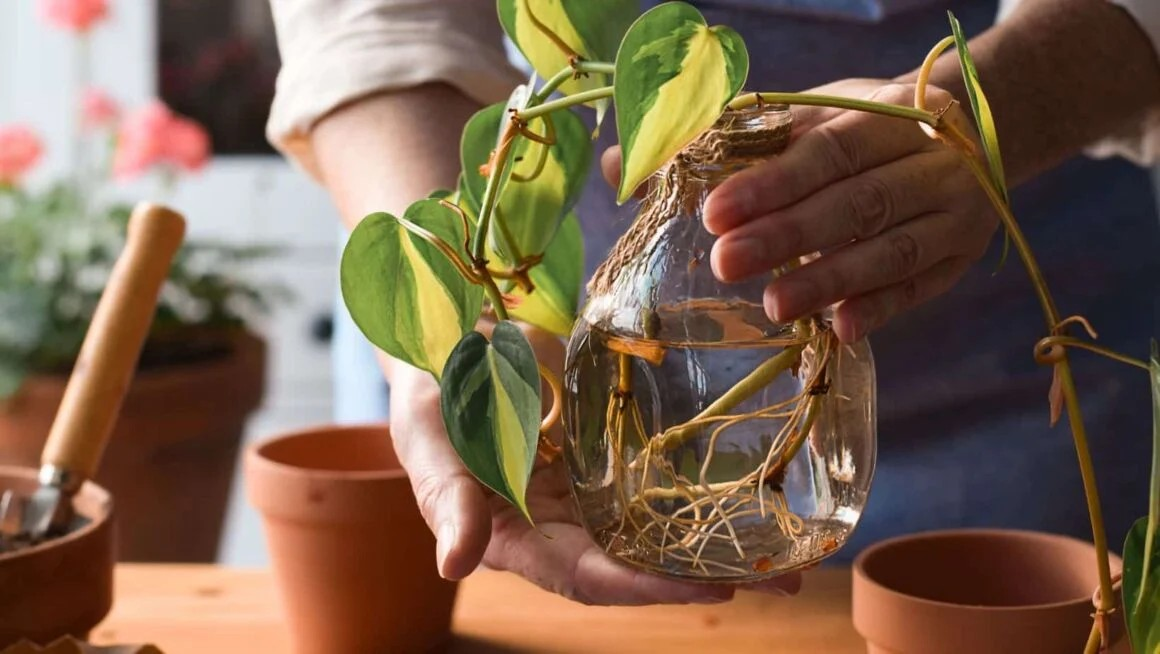
Propagation not only multiplies plants but encourages mother plants to grow faster.
-
Take healthy stem cuttings or leaf cuttings.
-
Root in water or soil, depending on species.
-
Removing healthy stems for propagation can stimulate new growth on the main plant.
Pro Tip: Propagate fast-growing plants like pothos or spider plants during spring or summer for the quickest results.
13. Adjust Fertilization Seasonally
Growth rates change with the seasons. Adjust nutrients accordingly:
-
Spring/Summer: Fast-growing plants thrive with regular feeding.
-
Fall/Winter: Reduce fertilizer; plant growth naturally slows.
Pro Tip: Seasonal feeding aligns with the plant’s natural growth cycle, maximizing healthy expansion.
14. Avoid Common Pests
Pests like spider mites, aphids, and scale insects can slow growth or stunt plants entirely.
-
Inspect leaves weekly, especially undersides.
-
Treat infestations early with neem oil or insecticidal soap.
-
Quarantine new plants before introducing them to your collection.
Pro Tip: Healthy, well-fed plants are more resilient to pests and recover faster.
15. Rotate Plants Regularly
Plants grow toward light, and uneven growth can make stems weak.
-
Rotate pots every 2–4 weeks.
-
Even light exposure encourages bushier, faster growth.
Pro Tip: For climbing plants, rotate poles and stakes to promote uniform growth.
16. Use Mulch for Moisture Retention
Mulching keeps soil moist and reduces watering stress, which supports faster growth.
-
Use bark chips, moss, or organic compost on soil surface.
-
Helps retain humidity near the roots.
-
Prevents soil compaction and erosion.
Pro Tip: Mulch is particularly useful for tropical plants like calatheas and monsteras.
17. Encourage Strong Roots
Strong roots = faster growth. Healthy roots absorb water and nutrients efficiently.
-
Repot when root-bound.
-
Avoid overwatering, which causes rot.
-
Fertilize regularly with root-friendly nutrients like phosphorus.
Pro Tip: Add mycorrhizal fungi or worm castings to soil to boost root growth naturally.
18. Use Growth-Boosting Techniques
-
Pruning and pinching: Stimulates branching.
-
Pinch new shoots: Encourages bushier foliage.
-
Pinch flower buds (optional): Redirect energy to leaf growth for faster vegetative expansion.
Pro Tip: Some indoor gardeners also use diluted liquid seaweed fertilizer to stimulate growth hormones.
19. Monitor Soil pH
Soil pH affects nutrient absorption, impacting growth speed.
-
Most houseplants thrive in slightly acidic to neutral soil (pH 6–7).
-
Test soil with a simple kit.
-
Adjust with lime (raise pH) or sulfur (lower pH) if necessary.
Pro Tip: Healthy soil ensures your fertilizer and watering are effective, speeding up growth naturally.
20. Observe and Adjust
Fast-growing plants need active attention. Watch how your plants respond to:
-
Light changes
-
Water frequency
-
Fertilizer type
-
Humidity
Pro Tip: Keep a plant journal or calendar to track growth patterns. Observation is often the fastest way to identify problems and accelerate growth.
Seasonal Care Summary
-
Spring/Summer: Peak growth—fertilize, water more, rotate, prune.
-
Fall/Winter: Slower growth—reduce water and fertilizer, maintain stable light and temperature.
Fast-growing plants respond quickly to care adjustments, so consistency is key.
Common Mistakes to Avoid
-
Overwatering: Leads to root rot, slows growth.
-
Low light: Stunts growth and causes leggy stems.
-
Ignoring humidity: Tropical plants slow down in dry air.
-
Neglecting pruning or repotting: Leads to weak stems and crowded roots.
-
Wrong soil: Poor drainage slows root development.
Pro Tip: Address these mistakes early to keep growth fast and healthy.
Personal Experience: Watching Plants Flourish
When I first started my indoor jungle, I focused on fast-growing species like pothos, spider plants, and philodendrons. I noticed that small adjustments—like rotating plants, adjusting light, and consistent fertilization—made an enormous difference. Within months:
-
Pothos vines doubled in length.
-
Spider plants produced multiple babies.
-
Philodendrons grew dense, bushy foliage.
The takeaway? Fast growth isn’t magic—it’s attention, proper conditions, and consistent care.
Fast-growing houseplants are incredibly satisfying because you can see tangible results quickly. By following these 20 practical tips—from choosing the right plant, providing proper light, water, and nutrients, to pruning, repotting, and monitoring soil—you’ll create conditions that encourage healthy, rapid growth.
Remember: Indoor plants thrive with consistency, observation, and patience. Even small adjustments can accelerate growth and transform your home into a lush, vibrant green space.
Your indoor jungle can flourish faster than you think—with the right tips and a little TLC, your plants will reward you with lush leaves, long vines, and thriving foliage all year round.
20 Easy Fast-Growing Houseplant Care Tips
Fast-growing houseplants are exciting because you can actually watch them transform a room in a matter of months. But rapid growth isn’t just luck—it’s about giving your plants the right environment, nutrients, and care routine.
This expanded guide dives deeper into practical, actionable tips for accelerating growth, preventing problems, and maximizing the beauty of your indoor jungle.
1. Plant-Specific Strategies for Fast Growth
Different species have slightly different needs. Let’s break down popular fast-growing plants:
Pothos
-
Light: Bright, indirect light, but tolerates low light.
-
Water: Let top 1–2 inches dry. Avoid soggy soil.
-
Tip: Use a moss pole or trellis to encourage vertical growth; prune regularly to promote bushy vines.
Spider Plant
-
Light: Medium to bright light.
-
Water: Keep soil lightly moist.
-
Tip: Allow “pups” to root and then pot them separately for rapid multiplication.
Philodendron (Heartleaf or Split-Leaf)
-
Light: Bright, indirect.
-
Water: Moderate; don’t let soil dry completely.
-
Tip: Pinch new growth tips to encourage branching and fuller foliage.
Peace Lily
-
Light: Bright, indirect light; tolerates low light.
-
Water: Keep soil consistently moist; avoid standing water.
-
Tip: Remove spent blooms to redirect energy into foliage growth.
Fiddle Leaf Fig
-
Light: Lots of bright, indirect light.
-
Water: Allow top 2 inches of soil to dry between waterings.
-
Tip: Rotate often and wipe leaves to prevent dust buildup.
2. DIY Fertilizers to Accelerate Growth
For fast-growing plants, nutrient-rich soil is key. Here are easy, safe DIY options:
Banana Peel Fertilizer
-
Chop peels, bury in the soil or soak in water for 24 hours.
-
Provides potassium and phosphorus for leaf and root growth.
Coffee Ground Boost
-
Sprinkle used coffee grounds sparingly on soil surface.
-
Adds nitrogen for lush, green leaves.
Eggshell Calcium Powder
-
Crush eggshells, sprinkle on soil surface.
-
Supports strong stems and reduces leaf curl.
Epsom Salt Solution
-
Mix 1 tablespoon in 1 gallon water.
-
Provides magnesium for vibrant leaves.
Pro Tip: Rotate between organic and commercial fertilizers to ensure complete nutrition without overfeeding.
3. DIY Soil Mixes for Fast Growth
Healthy soil is the backbone of rapid growth. Here are easy DIY soil mixes:
Tropical Plant Mix
-
2 parts peat moss
-
1 part perlite
-
1 part orchid bark
-
Optional: 1 part compost
Succulent & Cactus Mix
-
2 parts sand
-
1 part potting soil
-
1 part perlite
-
Optional: small gravel for drainage
Herb & Edible Plant Mix
-
2 parts potting soil
-
1 part compost
-
1 part perlite
-
Optional: slow-release granular fertilizer
Pro Tip: Refresh soil every 12–18 months for nutrient replenishment and root health.
4. Propagation Techniques to Encourage Growth
Propagation isn’t just for multiplying plants—it also stimulates the mother plant to grow faster.
-
Stem cuttings: Cut just below a node; place in water or moist soil.
-
Leaf cuttings: Works well for begonias and succulents.
-
Division: Separate roots of clumping plants like spider plants or peace lilies.
Pro Tip: Propagation in spring or summer yields the fastest growth for both new and parent plants.
5. Month-by-Month Care Tips
Spring
-
Fertilize regularly every 2–4 weeks.
-
Repot if root-bound.
-
Rotate plants for even light exposure.
Summer
-
Increase watering slightly due to higher temperatures.
-
Maintain humidity with trays or humidifiers.
-
Monitor for pests—they thrive in warmth.
Fall
-
Reduce fertilizer as growth slows.
-
Gradually reduce watering frequency.
-
Check soil pH and replenish nutrients if needed.
Winter
-
Limit watering; plants grow slower.
-
Ensure sufficient light; consider LED grow lights.
-
Keep plants away from cold drafts and dry heating vents.
6. Advanced Tips for Faster Growth
-
Pinching tips: Removes apical dominance, encouraging bushier plants.
-
Use growth hormone rooting gels: Boosts propagation success.
-
Leaf pruning: Removes older, less productive leaves to redirect energy to new growth.
-
Rotate and flip climbing plants: Ensures even leaf exposure.
Pro Tip: Healthy stress-free plants grow fastest—don’t overwater, overfertilize, or overcrowd.
7. Maximizing Humidity
Many fast-growing tropical plants thrive in 50–70% humidity:
-
Use a humidifier in dry homes.
-
Place plants on a tray filled with pebbles and water.
-
Group humidity-loving plants together.
Pro Tip: Maintaining steady humidity prevents leaf tip burn and encourages larger, faster leaves.
8. Lighting Hacks for Rapid Growth
-
Rotate plants weekly to prevent leaning.
-
Supplement natural light with LED grow lights if indoors lacks bright windows.
-
Avoid harsh midday sun on delicate tropical foliage.
Pro Tip: Observe leaf color—deep green indicates adequate light; pale leaves may need more exposure.
9. Pest Prevention
Pests can drastically slow growth. Prevent infestations by:
-
Inspecting leaves weekly for aphids, spider mites, or scale.
-
Using neem oil or insecticidal soap early.
-
Quarantining new plants for 2–3 weeks.
Pro Tip: A healthy plant resists pests better than a stressed, malnourished plant.
10. Tools That Boost Growth
Invest in a few tools for optimal growth:
-
Moisture meter: Prevent over/underwatering.
-
LED grow lights: Supplement light in low-light areas.
-
Humidifier: Increases growth rate in tropical species.
-
Pruning scissors: Keeps plants tidy and encourages branching.
11. Temperature Consistency
Most fast-growing indoor plants thrive between 65–75°F.
-
Avoid cold drafts that stunt growth.
-
Keep away from heaters that dry out soil.
-
Tropical plants slow dramatically below 60°F.
Pro Tip: Consistent temperature encourages faster leaf and stem development.
12. Rotating Fertilizer Types
-
High nitrogen: For leafy growth.
-
High phosphorus: Encourages strong roots.
-
Balanced NPK: For all-around health.
Pro Tip: Switch between liquid and slow-release fertilizers for steady growth.
13. Pruning and Pinching
Pinching stimulates branching, while pruning removes dead tissue.
-
Trim yellow or brown leaves.
-
Pinch new growth tips to encourage bushier plants.
-
Sterilize scissors to prevent infections.
Pro Tip: Don’t remove more than 25% of foliage at a time.
14. Using Mulch and Top Dressing
-
Mulch: Bark, moss, or compost keeps soil moist.
-
Top dressing: Adds nutrients and prevents compaction.
-
Benefit: Supports root health and speeds growth.
15. Encouraging Roots
Healthy roots equal fast growth:
-
Repot if root-bound.
-
Avoid soggy soil.
-
Fertilize with root-friendly nutrients like phosphorus.
-
Use mycorrhizal fungi to boost root efficiency.
16. Observation and Record-Keeping
-
Track watering, fertilization, and growth.
-
Note new leaf emergence, flowering, or pests.
-
Adjust care based on plant responses.
Pro Tip: Observation is one of the fastest ways to accelerate growth—plants tell you what they need.
17. Optimizing Container Size
-
Pot too small = stunted roots.
-
Pot too big = risk of root rot.
-
Choose a pot slightly larger than current size, with drainage holes.
Pro Tip: For fast-growing plants, increase pot size incrementally every 12–18 months.
18. Encouraging Flowering
Flowering can slow vegetative growth but is part of plant health:
-
Use bloom booster fertilizers with higher phosphorus.
-
Remove spent blooms to redirect energy to new flowers or leaves.
Pro Tip: Even fast-growing foliage plants benefit from occasional flowering stimulation.
19. Avoid Overcrowding
Overcrowding slows growth due to competition for light, water, and nutrients.
-
Ensure each plant has adequate space.
-
Avoid blocking light with larger neighbors.
-
Thin crowded cuttings or plant babies.
Pro Tip: Give each plant “breathing room” to maximize growth potential.
20. Patience + Consistency
Fast-growing doesn’t mean instant. Consistent care is key:
-
Water regularly (without overwatering).
-
Maintain consistent light, temperature, and humidity.
-
Fertilize strategically and prune thoughtfully.
Pro Tip: Even rapid growth takes time—patience and observation amplify results.
Final Thoughts
Fast-growing indoor plants are incredibly rewarding because you see tangible results quickly. By following these 20 practical tips—from choosing the right species, providing light, water, and nutrients, to pruning, repotting, propagating, and monitoring conditions—you can create an indoor jungle that grows lush, vibrant, and healthy.
Remember: plants respond to consistent attention, observation, and care. The combination of proper environment, healthy soil, nutrient management, and smart pruning practices ensures your indoor plants grow faster and stronger than you ever imagined.
With patience, observation, and consistent TLC, your indoor jungle will reward you with thriving foliage, cascading vines, and a green sanctuary that transforms your home into a lush, lively space.