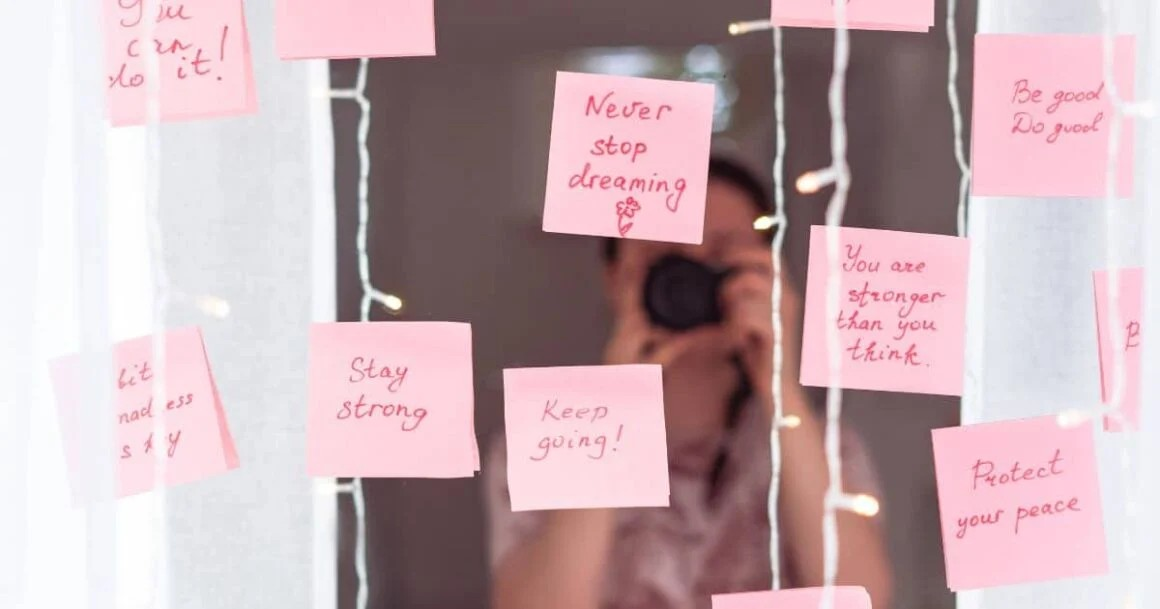
100 Truth Bombs: Powerful Bursts Of Wisdom For Women
There comes a point in every woman’s life when polite advice, vague encouragement, and surface-level positivity just don’t cut it anymore. What you really crave are truth bombs. The kind that land hard, wake you up, and quietly change how you see yourself, your relationships, and your life.
Truth bombs aren’t always comfortable. They don’t sugarcoat. They don’t perform. They simply reveal what’s already true but often ignored. And for women especially who are often taught to accommodate, minimize, and self-abandon truth can feel both liberating and confronting.
This collection of 100 truth bombs is not meant to overwhelm you or tell you who to be. It’s meant to remind you of what you already know deep down. Read them slowly. Let the ones that resonate stay with you. Let the rest go.
Why Truth Bombs Matter for Women
Women are frequently conditioned to doubt their instincts, soften their boundaries, and prioritize harmony over honesty. Over time, this creates confusion, burnout, and quiet resentment.
Truth bombs cut through that fog. They bring clarity. They help you stop negotiating with your intuition and start trusting it again. Sometimes a single honest sentence can do more than years of advice.
Truth doesn’t always feel kind in the moment, but it is ultimately compassionate. It brings you back to yourself.
100 Truth Bombs Every Woman Needs to Hear
About Self-Worth and Identity
-
Your worth is not something you earn; it is something you already have.
-
You do not need to prove that you deserve rest.
-
Being needed is not the same as being loved.
-
You are allowed to change your mind without explaining yourself.
-
Just because you can handle everything doesn’t mean you should.
-
You don’t need permission to take up space.
-
Confidence is built by honoring yourself, not perfecting yourself.
-
You are not “too much”; you may simply be in the wrong environment.
-
You do not owe anyone access to your energy.
-
Your intuition is not irrational—it is informed by experience.
About Boundaries and Self-Respect
-
A boundary is not a punishment; it is information.
-
People who benefit from your lack of boundaries will resist them.
-
Saying no does not make you selfish; it makes you honest.
-
Overexplaining is often a sign of self-doubt, not courtesy.
-
You don’t need to earn the right to protect your peace.
-
Guilt does not mean you are doing something wrong.
-
You are not responsible for managing other people’s emotions.
-
Boundaries reveal who respects you, not who loves you.
-
Silence is sometimes the clearest boundary.
-
Self-respect will cost you people who were comfortable with your self-sacrifice.
About Relationships
-
Love should feel safe, not confusing.
-
Consistency matters more than grand gestures.
-
If someone wanted to show up, they would.
-
You cannot heal someone by loving them harder.
-
Healthy love does not require you to shrink.
-
Mixed signals are a clear message.
-
You don’t need closure from someone who disrespected you.
-
Familiarity is not the same as compatibility.
-
You are allowed to outgrow relationships.
-
Love that costs you your peace is too expensive.
About Emotional Health
-
Avoiding your feelings doesn’t make them disappear.
-
Being strong does not mean being emotionally unavailable.
-
Rest is productive when you’re burned out.
-
Healing is not linear, and that’s normal.
-
You can be grateful and still want more.
-
Emotional numbness is often a sign of overload, not indifference.
-
You don’t have to justify your feelings for them to be valid.
-
Suppressed emotions always find a way out.
-
Peace often requires uncomfortable honesty.
-
Self-compassion is not self-indulgence.
About Growth and Change
-
Growth will ask you to let go of who you thought you had to be.
-
It’s okay to start over more than once.
-
Comfort can quietly become a cage.
-
You don’t need a crisis to justify change.
-
Uncertainty is not failure; it’s transition.
-
You are allowed to redefine success at any age.
-
Healing often begins with telling yourself the truth.
-
Not all progress is visible.
-
Change doesn’t require permission from your past.
-
You don’t have to know the whole plan to take the next step.
About People-Pleasing and Perfectionism
-
Being liked is not the same as being respected.
-
Perfectionism is often fear dressed up as high standards.
-
You don’t have to be easy to be worthy.
-
People-pleasing will never earn you the safety you’re seeking.
-
Your value does not increase when you overgive.
-
Doing everything for everyone leaves nothing for yourself.
-
You are not responsible for fixing broken dynamics.
-
Approval is a poor substitute for self-trust.
-
Exhaustion is not a badge of honor.
-
You don’t need to suffer to be good.
About Time, Energy, and Priorities
-
Your time is one of your most valuable resources.
-
Busy does not always mean fulfilled.
-
Energy spent on resentment is energy stolen from your life.
-
You don’t have to attend every argument you’re invited to.
-
Not everything deserves a response.
-
Peace often comes from simplifying, not adding.
-
You can choose differently even if you always chose the same before.
-
Saying yes to everything is a form of self-abandonment.
-
You are allowed to rest without earning it.
-
Protecting your energy is not selfish—it’s wise.
About Self-Trust and Inner Authority
-
You know more than you think you do.
-
Doubting yourself often comes from listening to the wrong voices.
-
You don’t need consensus to make a decision.
-
Confidence grows when your actions align with your values.
-
Your inner voice gets quieter when you ignore it.
-
You don’t need external validation to confirm an internal truth.
-
Self-trust is built through small, honest choices.
-
You are allowed to trust yourself again.
-
Your past mistakes do not disqualify you from wisdom.
-
Clarity often comes after action, not before.
About Midlife and Becoming
-
Midlife is not a decline; it’s a reckoning.
-
You are not behind—you are becoming.
-
Reinvention is a form of courage.
-
You don’t need to stay who you were to honor who you’ve been.
-
Wisdom comes from lived experience, not perfection.
-
You are allowed to want a life that feels good, not just one that looks good.
-
Aging can be a return to yourself, not a loss.
-
You don’t have to apologize for wanting peace.
-
This chapter can be your most honest one yet.
-
You are not too late.
About Freedom and Peace
-
Letting go is often more powerful than holding on.
-
Peace is a decision you make repeatedly.
-
You don’t need everyone to understand you.
-
Acceptance doesn’t mean approval; it means release.
-
Your nervous system deserves safety.
-
You can love people and still choose distance.
-
Inner peace is built, not found.
-
You don’t owe anyone the version of you that hurts you.
-
Freedom begins where self-betrayal ends.
-
You are allowed to live a life that feels like yours.
How to Use These Truth Bombs in Daily Life
You don’t need to memorize all 100 truths or apply them perfectly. Let them meet you where you are.
Try this:
-
Highlight the truths that feel uncomfortable—that’s often where growth lives.
-
Journal about one truth per day and how it shows up in your life.
-
Return to the same truths over time; they may mean something new later.
-
Use them as reminders when you feel tempted to abandon yourself.
Truth is not about harshness. It’s about clarity. And clarity creates choice.
Truth bombs are not meant to shame you for where you’ve been. They’re meant to free you from where you no longer need to stay.
You don’t need to become someone else to live more honestly. You just need to stop ignoring what you already know.
Let these truths support you as you grow, change, and claim your life with more confidence, discernment, and peace.
You are not broken.
You are not behind.
You are waking up.
And that changes everything.
When Truth Feels Like a Wake-Up Call You Didn’t Know You Needed
There are moments in life when a single sentence stops you in your tracks. It doesn’t yell. It doesn’t argue. It simply lands—and suddenly, you can’t unsee what you’ve been tolerating, minimizing, or explaining away.
That’s the power of truth.
For many women, truth doesn’t arrive as a dramatic revelation. It comes quietly, often when you’re tired, stretched thin, or finally honest with yourself. It shows up when pretending becomes more exhausting than changing.
Truth bombs don’t exist to shame you. They exist to free you.
Why Truth Hits Differently as a Woman
Women are often raised to prioritize harmony over honesty. To soften their words. To doubt their instincts. To stay agreeable, grateful, and accommodating.
Over time, this conditioning teaches women to:
Second-guess themselves
Override discomfort
Explain boundaries instead of enforcing them
Confuse endurance with strength
Truth interrupts these patterns. It removes the polite filters and brings you face-to-face with what you already feel but haven’t fully acknowledged.
And while truth can sting, it also creates relief. Because deep down, your body and intuition recognize it immediately.
The Truth About Emotional Labor
One of the hardest truths many women face is how much invisible emotional labor they carry.
You may be the one who:
Remembers everything
Manages everyone’s feelings
Anticipates problems before they happen
Keeps the peace at your own expense
The truth is this: being emotionally competent does not make you responsible for everyone else’s emotional comfort.
Carrying emotional labor without reciprocity doesn’t make you kind. It makes you depleted.
And depletion eventually demands attention.
When Being “Strong” Becomes a Trap
Many women pride themselves on being strong. Capable. Reliable. The one who can handle it.
But strength without support turns into isolation.
A powerful truth many women must face is this:
If you never allow yourself to be supported, you teach others that you don’t need support—even when you do.
Real strength includes knowing when to stop holding everything alone.
The Truth About Outgrowing Old Versions of Yourself
At some point, the version of you that survived stops being the version of you that thrives.
This can feel unsettling. You may feel disloyal to who you were. Or guilty for wanting something different now.
But growth requires release.
You are not obligated to remain the woman you became to survive circumstances that no longer exist.
Honoring your past does not require sacrificing your future.
Truth and the Body: What You Feel Is Information
Many women are disconnected from their bodies because they’ve been taught to override physical signals in favor of obligation.
But the body does not lie.
Tightness, exhaustion, anxiety, heaviness—these are not weaknesses. They are messages.
One of the most liberating truths is realizing that your body is not betraying you. It’s communicating with you.
Listening doesn’t make you dramatic. It makes you wise.
The Truth About Guilt
Guilt is one of the most powerful tools used—consciously or unconsciously—to keep women in line.
You may feel guilty for:
Saying no
Choosing yourself
Resting
Changing
Disappointing others
But guilt is not always a moral signal. Often, it’s a conditioning response to stepping outside old roles.
Feeling guilty does not mean you’re doing something wrong. It often means you’re doing something new.
When Love Requires Self-Abandonment
One of the hardest truths to accept is that love should not require self-erasure.
If maintaining a relationship means:
Silencing your needs
Walking on eggshells
Explaining your worth
Accepting disrespect
Losing your peace
That isn’t love. It’s endurance.
Love that costs you your identity is not noble. It’s unsustainable.
The Truth About Closure
Many women wait for closure that never comes. An apology. An explanation. Accountability.
But closure is not something someone else gives you.
The truth is this: understanding why someone hurt you is not required for healing.
Sometimes closure is simply deciding you no longer need answers from someone who couldn’t treat you with care.
The Myth of Being “Too Sensitive”
Women are often labeled sensitive when they express discomfort, boundaries, or emotional needs.
But sensitivity is not a flaw. It’s perception.
The truth is, many women aren’t too sensitive. They’re responding appropriately to situations that are emotionally unsafe, dismissive, or draining.
Sensitivity becomes a problem only in environments that refuse accountability.
The Truth About Peace
Peace is not passive. It’s not avoidance. And it’s not something that magically appears when everyone else behaves better.
Peace is built through choices:
Choosing honesty over harmony
Choosing rest over overexertion
Choosing boundaries over approval
Choosing alignment over performance
Peace is often uncomfortable at first because it requires change.
But it is worth protecting.
Truth and Identity After 40
For many women, midlife becomes a truth-telling season.
You’ve lived long enough to see patterns.
You’ve stayed silent long enough to feel the cost.
You’ve given enough to know what imbalance feels like.
One of the most powerful truths of this stage of life is that you no longer need to earn your voice.
You’ve already paid your dues.
The Truth About Starting Over
Starting over is often framed as failure. But many women discover that starting over is actually self-respect.
Starting over can mean:
Choosing yourself for the first time
Leaving what no longer fits
Redefining success
Reclaiming your energy
You are not weak for walking away from what hurts you. You are strong for choosing something better.
When Truth Changes Your Relationships
As you begin living more truthfully, relationships may shift.
Some people will celebrate your growth.
Others will resist it.
Some may exit your life entirely.
This can be painful, but it’s also revealing.
Truth doesn’t destroy healthy relationships. It clarifies them.
The Truth About Approval
Approval is fleeting. It changes based on convenience, expectations, and others’ comfort.
Building your life around approval guarantees instability.
One of the most freeing truths is realizing that you don’t need consensus to live authentically.
You need self-trust.
Truth Is Not Cruel—Avoidance Is
Many women fear truth because they associate it with harshness or conflict.
But avoiding truth creates resentment, burnout, and disconnection.
Truth, when grounded in self-respect, is not cruel. It is clear.
And clarity is a kindness to yourself.
Learning to Hold Truth Gently
Truth doesn’t need to be delivered with aggression to be powerful.
You can be honest without being harsh.
You can be direct without being unkind.
You can stand firm without hardening your heart.
Gentle truth is still truth.
Living a Truth-Aligned Life
Living truthfully doesn’t mean being confrontational or rigid. It means being congruent.
Your actions match your values.
Your words match your boundaries.
Your choices match your needs.
This alignment creates a sense of ease that no external validation can replace.
Final Thoughts: Truth Brings You Home
Truth bombs don’t change you into someone new.
They bring you back to who you’ve always been—beneath the conditioning, the expectations, the roles, and the self-doubt.
Truth strips away what you were taught to tolerate so you can live with more clarity, confidence, and peace.
You don’t need more fixing.
You don’t need more proving.
You don’t need permission.
You need honesty—with yourself first. And when you choose that, everything else begins to shift.