10 Essential Houseplant Tips For New Plant Owners
So you finally brought home a houseplant. Or maybe five. You love the way plants make your home feel calmer, fresher, and more alive—but now comes the big question:
How do you keep them alive?
If you’re new to plants, welcome—you’re in the right place. Every confident plant parent you know once stood exactly where you are now, staring at a leaf and wondering if it was supposed to look like that.
The truth? Houseplants aren’t hard—but they do require a little understanding, patience, and observation. Once you learn the basics, plant care becomes less stressful and actually really enjoyable.
Let’s walk through 10 essential houseplant tips every new plant owner should know, explained in a real-life, no-judgment, plant-lover-to-plant-lover way.
1. Start With Beginner-Friendly Plants (This Matters More Than You Think)
One of the biggest mistakes new plant owners make is starting with a plant that looks beautiful—but is incredibly high-maintenance.
Some plants are drama queens. Others are wonderfully forgiving.
Best Plants for Beginners:
-
Pothos
-
Snake plant
-
ZZ plant
-
Spider plant
-
Philodendron
-
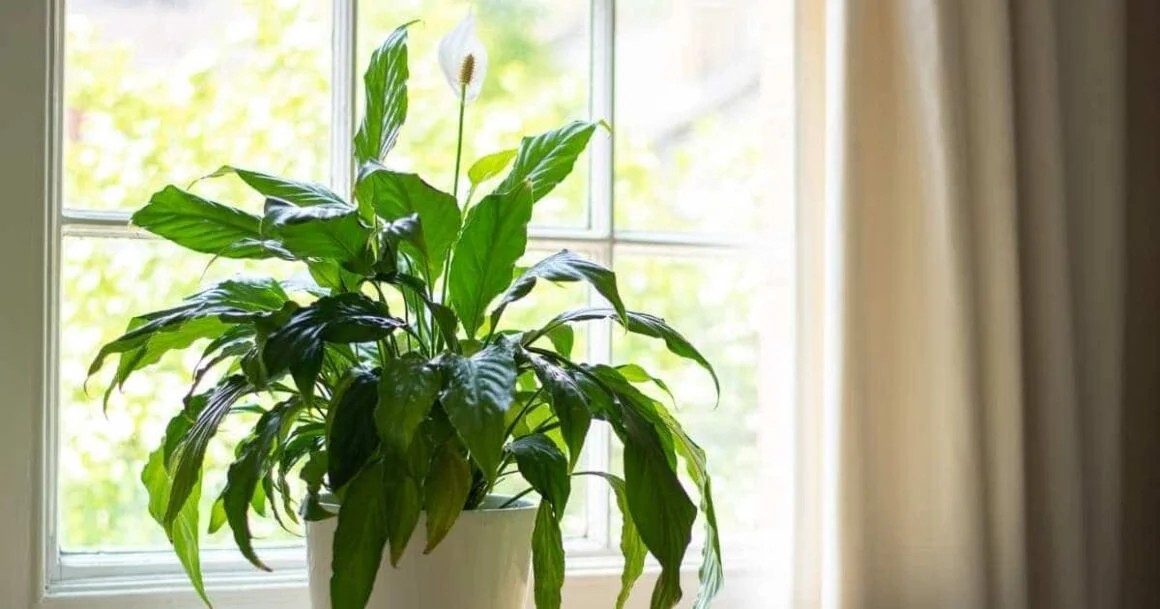
Peace lily
These plants tolerate:
-
Inconsistent watering
-
Different light levels
-
Small beginner mistakes
Starting with easy plants builds confidence and helps you learn without constant stress.
Pro tip: Skip rare or trendy plants at first. You’ll enjoy them more once you have some experience.
2. Learn the Difference Between Direct and Indirect Light
Light confusion is one of the biggest reasons houseplants struggle.
Here’s the simple breakdown:
-
Direct light: Sunlight hits the plant directly (like right in front of a sunny window)
-
Indirect light: Bright light, but no sun rays touching the leaves
-
Low light: Rooms with windows far away or shaded areas
Most houseplants prefer bright, indirect light—not full sun, not darkness.
Beginner Mistake:
Assuming “low light” means “no light.”
Plants still need light to survive!
Pro tip: If you can comfortably read a book in the space, your plant can probably live there too.
3. Don’t Water on a Schedule—Water When the Plant Needs It
This is a big one.
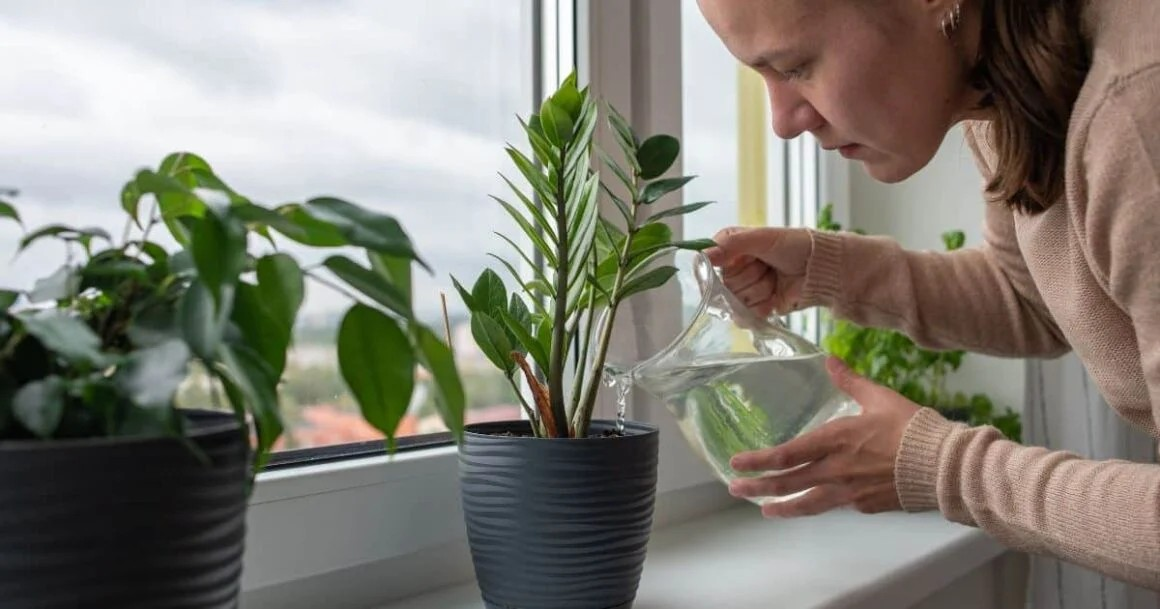
Plants don’t know it’s Tuesday. Watering on a schedule often leads to overwatering, which is the fastest way to kill a houseplant.
Instead:
-
Stick your finger into the soil
-
If the top 1–2 inches are dry, water
-
If it’s still moist, wait
Most beginner plant deaths come from too much love (and water).
Rule to remember:
When in doubt, wait another day.
4. Make Sure Every Pot Has Drainage Holes
Drainage holes are non-negotiable.
Without them:
-
Water has nowhere to go
-
Roots sit in moisture
-
Root rot develops quickly
If you love decorative pots without holes, use them as cache pots:
-
Keep the plant in its nursery pot
-
Place it inside the decorative pot
-
Remove it to water and drain fully
Your plant will thank you.
5. Understand That Yellow Leaves Are Feedback, Not Failure
Seeing yellow leaves can feel alarming—but don’t panic.
Plants communicate through their leaves.
Common Causes of Yellow Leaves:
-
Overwatering
-
Natural aging
-
Low light
-
Sudden environment changes
One yellow leaf doesn’t mean your plant is dying. Several yellow leaves, especially mushy ones, often mean too much water.
Pro tip: Trim yellow leaves so the plant can redirect energy to healthy growth.
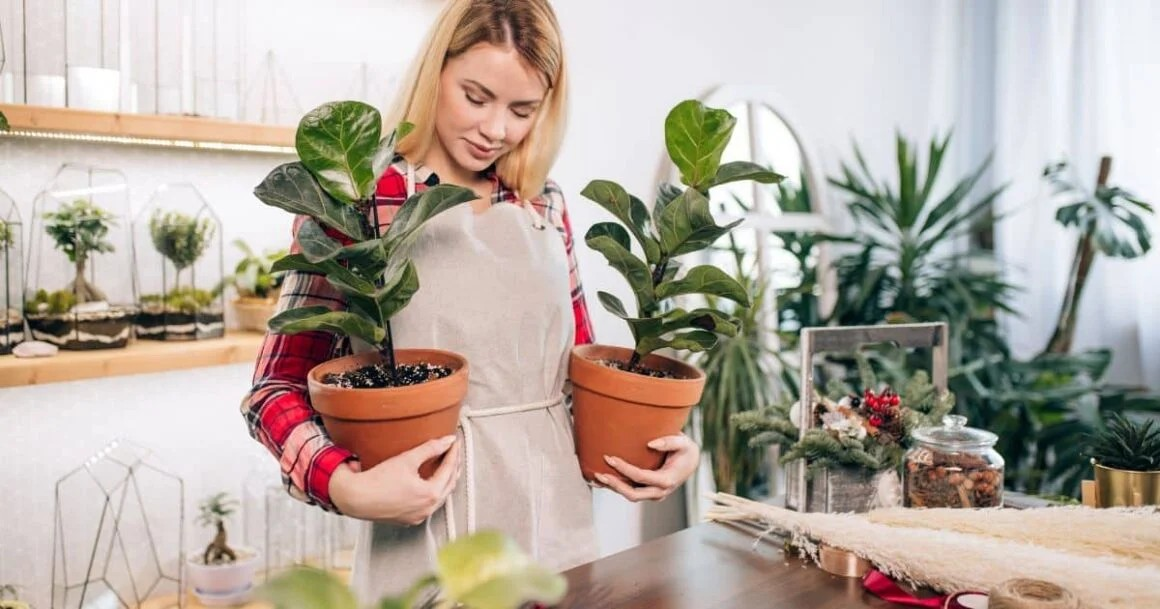
6. Repot Only When the Plant Is Ready
New plant owners often repot too quickly.
Yes, roots need space—but repotting too soon can stress your plant.
Signs Your Plant Needs Repotting:
-
Roots growing out of drainage holes
-
Water runs straight through the pot
-
Plant dries out unusually fast
-
Growth has slowed significantly
When repotting:
-
Go up only 1–2 inches in pot size
-
Use fresh, well-draining soil
-
Water once, then let the plant adjust
Repotting is helpful—but only when it’s necessary.
7. Skip Fertilizer at First (Seriously)
It’s tempting to feed your plants right away—but fertilizer isn’t plant food. It’s more like vitamins.
New plants:
-
Are already stressed from moving
-
Need time to adjust
-
Don’t need extra nutrients immediately
Wait 4–6 weeks after bringing a plant home before fertilizing.
When you do fertilize:
-
Use a diluted, balanced fertilizer
-
Fertilize during spring and summer
-
Avoid fertilizing in winter
Too much fertilizer can burn roots and cause more harm than good.
8. Expect Some Leaves to Drop (It’s Normal)
Plants don’t love change.
When you bring a plant home, it’s adjusting to:
-
New light
-
New humidity
-
New temperature
It’s normal for a few leaves to:
-
Drop
-
Yellow
-
Curl
As long as new growth appears after a few weeks, your plant is settling in just fine.
Patience is part of plant care.
9. Watch for Pests Early
Pests happen—even to experienced plant owners.
Common houseplant pests include:
-
Fungus gnats
-
Spider mites
-
Mealybugs
-
Aphids
Check your plants weekly:
-
Look under leaves
-
Inspect stems
-
Watch for sticky residue or tiny webs
Catching pests early makes them much easier to treat.
Beginner tip:
Isolate new plants for a week before placing them near others.
10. Plants Don’t Need Perfection—They Need Consistency
This might be the most important tip of all.
Plants don’t expect you to be perfect. They want:
-
Consistent light
-
Thoughtful watering
-
Time to adapt
Missing a watering once won’t kill a plant. Constant overwatering will.
Trust yourself. Learn as you go. Every plant owner has killed a plant at some point—it’s part of the journey.
Bonus Tips Every New Plant Owner Should Hear
Rotate Your Plants
Turn plants slightly every few weeks so they grow evenly.
Clean the Leaves
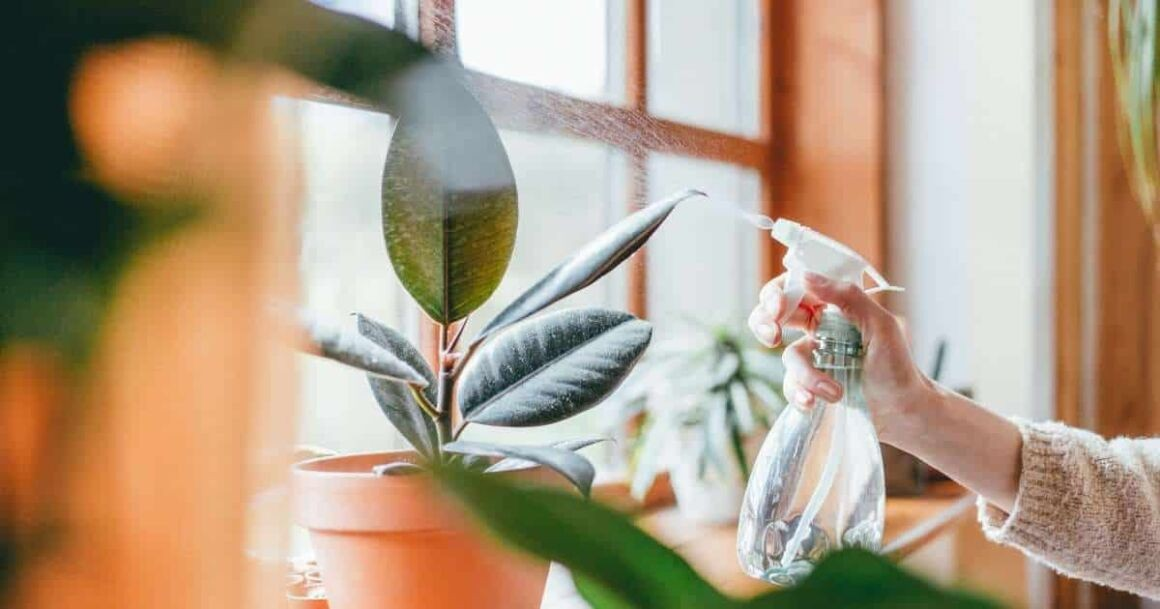
Dust blocks light. Wipe leaves gently with a damp cloth.
Keep Plants Away From Drafts
Avoid placing plants near heaters, vents, or cold windows.
Label Plants
Knowing the name makes care much easier.
How I Learned to Stop Killing Plants
When I first started, I watered everything constantly because I thought that meant “good care.” Instead, I ended up with yellow leaves and root rot.
Once I learned to:
-
Check soil first
-
Respect drainage
-
Give plants time
Everything changed.
Now plant care feels calming instead of stressful—and that’s what it should be.
If you’re reading this, you already care—and that’s the hardest part.
Plants aren’t fragile; they’re adaptable. With a little knowledge and observation, you’ll quickly learn what your plants like and don’t like.
Start slow. Choose forgiving plants. Pay attention. And remember:
Every thriving plant owner started exactly where you are now.
Welcome to the plant parent club.
Growing Confidence as a New Plant Owner
One of the biggest challenges for new plant owners isn’t watering or light—it’s confidence. Plants don’t come with instruction manuals, and every home environment is different. That can feel intimidating at first.
Here’s the truth: plant care isn’t about memorizing rules. It’s about learning how to observe, adjust, and respond.
Over time, you’ll notice:
-
How fast your soil dries
-
Which plants droop when thirsty
-
Which plants prefer being ignored
Once you start noticing patterns, caring for plants becomes intuitive.
Understanding Plant “Personalities”
Not all plants behave the same way—and that’s okay.
Easygoing Plants
These plants bounce back easily:
-
Pothos
-
Snake plant
-
ZZ plant
-
Spider plant
They forgive missed waterings and imperfect light.
Dramatic Plants
Some plants let you know immediately when something’s wrong:
-
Peace lilies
-
Fittonia
-
Calatheas
These plants aren’t “hard”—they’re just expressive. Once you learn their signals, they’re easier to care for than you think.
How Long It Takes to See Growth (Patience Is Key)
New plant owners often worry when growth seems slow.
Here’s what’s normal:
-
New plants may pause growth for weeks
-
Roots focus on settling in before pushing leaves
-
Growth slows in fall and winter
If leaves look healthy and firm, your plant is doing just fine—even if nothing seems to be happening above the soil.
How to Handle Plant Stress Without Panicking
Plants experience stress just like people.
Common stress triggers:
-
Moving to a new location
-
Repotting
-
Temperature changes
-
Overwatering or underwatering
Signs of stress include:
-
Leaf drop
-
Yellowing
-
Curling leaves
Most of the time, the solution is doing less, not more. Give the plant time, stable conditions, and consistent care.
Beginner-Friendly Watering Habits That Actually Work
Instead of overthinking watering, build simple habits.
-
Check soil before watering
-
Water in the morning when possible
-
Empty saucers after watering
-
Keep notes if you’re unsure
You’ll quickly learn which plants dry out faster and which ones like moisture.
When and How to Prune Without Fear
Pruning sounds scary—but it’s actually helpful.
When to Prune:
-
Yellow or dead leaves
-
Leggy growth
-
Damaged stems
How to Prune:
-
Use clean scissors
-
Cut just above a leaf node
-
Remove no more than 20–30% at once
Pruning encourages fuller growth and improves plant health.
Learning From Mistakes (Every Plant Owner Has Them)
Here’s something every experienced plant owner knows:
You will lose a plant at some point.
It doesn’t mean you’re bad at plant care. It means you’re learning.
Each mistake teaches you:
-
How your environment affects plants
-
Which plants suit your lifestyle
-
What signs to watch for next time
Plant care is a journey—not a test.
Creating a Simple Plant Care Routine
A routine doesn’t have to be complicated.
Weekly Check-In:
-
Check soil moisture
-
Inspect for pests
-
Rotate plants slightly
-
Remove dead leaves
Monthly Care:
-
Clean leaves
-
Flush soil if needed
-
Adjust placement for seasonal light changes
These small check-ins prevent most problems before they start.
Choosing the Right Spot for Each Plant
Plants thrive when placed correctly from the start.
-
Bright windows = tropical plants
-
Low-light corners = snake plants, ZZ plants
-
Bathrooms = humidity-loving plants
Avoid placing plants near:
-
Heating vents
-
Cold drafts
-
Air conditioners
Even tough plants dislike temperature swings.
How to Avoid “Plant Overload” as a Beginner
It’s easy to get excited and buy too many plants too quickly.
Slow down.
Caring for a few plants well is better than struggling with many. As you gain experience, you’ll naturally feel ready to expand your collection.
Why Your Plant Journey Is Unique
Your home’s:
-
Light
-
Temperature
-
Humidity
…are completely different from anyone else’s.
What works for one person may not work for another—and that’s normal. Trust your observations more than generic rules.
What Success Actually Looks Like
Success isn’t:
-
Zero yellow leaves
-
Constant growth
-
Perfect-looking plants
Success is:
-
Learning what your plants need
-
Adjusting when something doesn’t work
-
Enjoying the process
Plants are meant to be lived with, not stressed over.
Final Thoughts For New Plant Owners
If you’re still reading, you’re already doing something right.
Caring for houseplants teaches patience, observation, and self-trust. Over time, you’ll stop second-guessing yourself and start enjoying the calming routine of plant care.
So give yourself grace. Start small. Celebrate new leaves. And remember:
Every confident plant owner was once a beginner who cared enough to learn.
You’ve got this.